The Hidden Dangers of Incorrect Gutter Installation: A Homeowner’s Guide
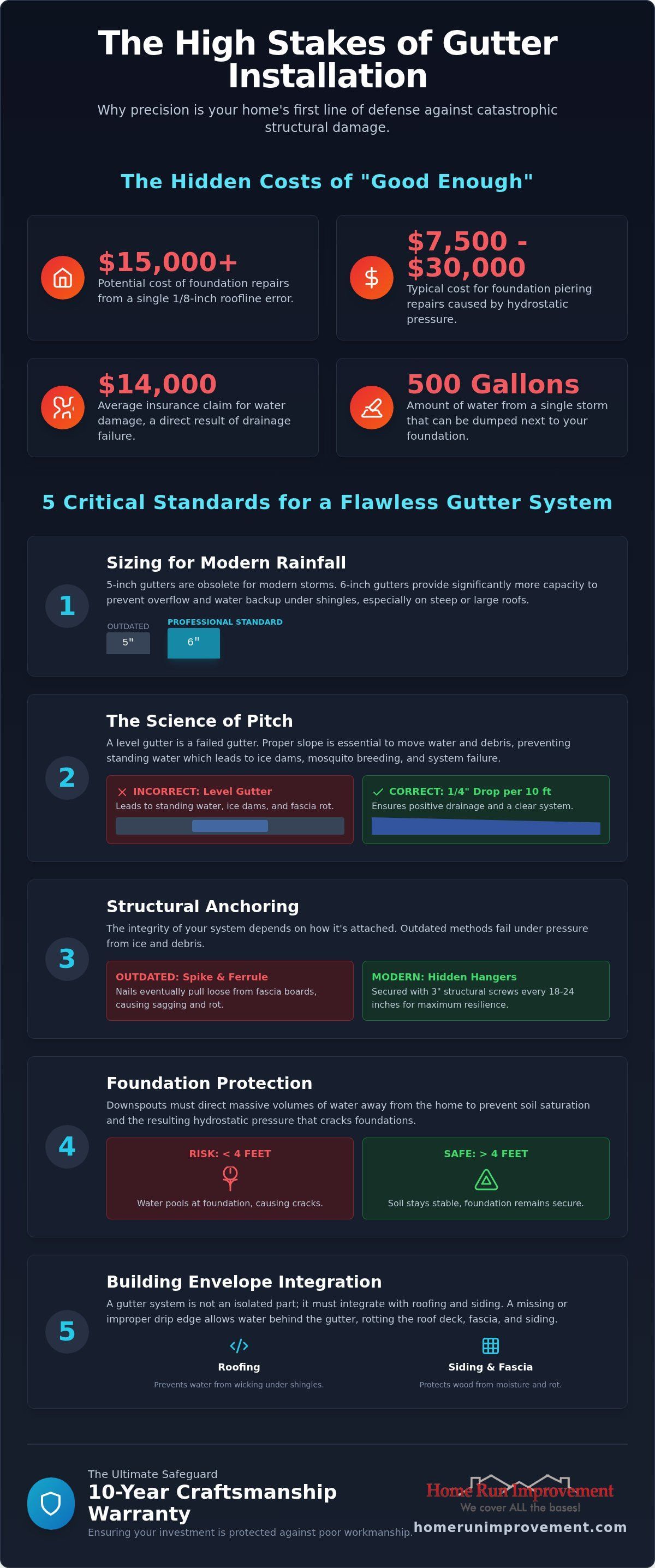
What if a single eighth-of-an-inch error on your roofline could eventually lead to over $15,000 in foundation repairs? Most Louisville homeowners view gutters as a simple "set it and forget it" feature, but the reality is that your drainage system is a precision science where minor shortcuts lead to major structural failure. If your contractor fails to account for the proper pitch or uses outdated fasteners, you aren't just looking at a leak; you're looking at a compromised home. We understand the anxiety that comes with trusting a contractor, especially when technical terms like fascia and hydrostatic pressure enter the conversation.
An incorrect gutter installation can quietly erode your home's stability, leading to water damage insurance claims that average nearly $14,000 nationally according to industry data. In this guide, we'll show you how to verify installation quality and explain why precision is the only thing standing between your basement and a $52,000 flood insurance payout. We'll also explore how Home Run Improvement protects our Louisville neighbors with a 10-year craftsmanship warranty, ensuring your investment remains as sturdy as the day it was installed. Understanding these standards is vital, as even OSHA safety regulations for installers reflect the serious nature of this high-level exterior work.
Key Takeaways
- Learn why upgrading to 6-inch gutters is a technical necessity for modern rainfall patterns according to precipitation data.
- Identify how incorrect gutter installation, specifically regarding pitch and hanger spacing, leads to silent structural failure.
- Master the "Rainy Day Test" to audit your system's performance before minor leaks lead to flood-related damage.
- Discover how a 10-year craftsmanship warranty serves as the ultimate safeguard against poor workmanship and contractor shortcuts.
- Understand the critical link between your gutter system and the longevity of your LP SmartSide siding and roofing.
The 'It's Just a Gutter' Myth: Why Installation Precision Matters
Many homeowners view their drainage as a secondary concern, but a gutter is actually a high-stakes foundation-protection tool. We define incorrect gutter installation as any deviation from the rigorous hydraulic and structural standards required to manage your home's water shed. In Louisville, our 2026 weather patterns have shifted toward higher-intensity rainfall events, meaning your gutters must handle more volume than ever before. If your system isn't calibrated for these specific local conditions, you risk catastrophic failure during the next heavy storm. Professional Rain gutter systems are designed to be the primary line of defense for your property's structural integrity.
To better understand this concept, watch this helpful video:
https://www.youtube.com/watch?v=se0cR6-_Lx4
The Science of the Pitch
Precision starts with the slope. Industry standards dictate a 1/4 inch drop for every 10 feet of horizontal run. While a level gutter might look better against your roofline, it's a functional disaster that leads to standing water. During a typical Louisville winter, this trapped water freezes and thaws repeatedly, creating heavy ice dams that pull the system away from your home. Gutter pitch is the precise angle required to move debris and water simultaneously.
Gutters as Part of the Building Envelope
Your gutters don't exist in a vacuum; they're a critical component of your home's exterior protection. When you choose a professional installation, the system integrates seamlessly with your roofing and fascia boards to prevent moisture intrusion. If an incorrect gutter installation allows water to back up, that moisture migrates under your shingles and rots the underlying roof deck. Kentucky's heavy spring downpours will quickly expose these "good enough" shortcuts, turning a minor oversight into a multi-thousand-dollar repair bill. High-capacity precision isn't just about moving water; it's about preserving the longevity of your entire building envelope.
5 Critical Gutter Installation Mistakes That Compromise Your Home
An incorrect gutter installation often stems from a lack of technical foresight during the planning phase. When a contractor treats your home's exterior as a series of disconnected parts, they overlook the critical intersections where water causes the most damage. These five mistakes represent the most common points of failure we see in the Louisville area, where heavy seasonal rains put immense pressure on drainage systems.
Sizing for Louisville Rainfall
The industry is moving away from 5-inch gutters because they simply cannot handle modern "microburst" storms. A 6-inch gutter provides significantly more capacity, which is vital for steep roofs with large surface areas. If your gutters are undersized, water will overshoot the channel or back up under the shingles. To manage this volume, we recommend one 3x4-inch downspout for every 30 to 40 feet of gutter. This ensures that even during a heavy Kentucky downpour, the system remains clear and functional.
The Hanger and Fastener Standard
Structural integrity depends on how the gutter is anchored to your home. Hangers should be spaced no more than 24 inches apart; however, in areas prone to heavy ice or snow, an 18-inch spacing is the professional standard. Older, "incorrect" practices involved driving large nails through the gutter into the fascia. This "spike and ferrule" method eventually pulls loose, leading to sagging and rot. Modern standards require heavy-duty internal hidden hangers secured with 3-inch structural screws, providing the resilience needed to withstand decades of weather cycles.
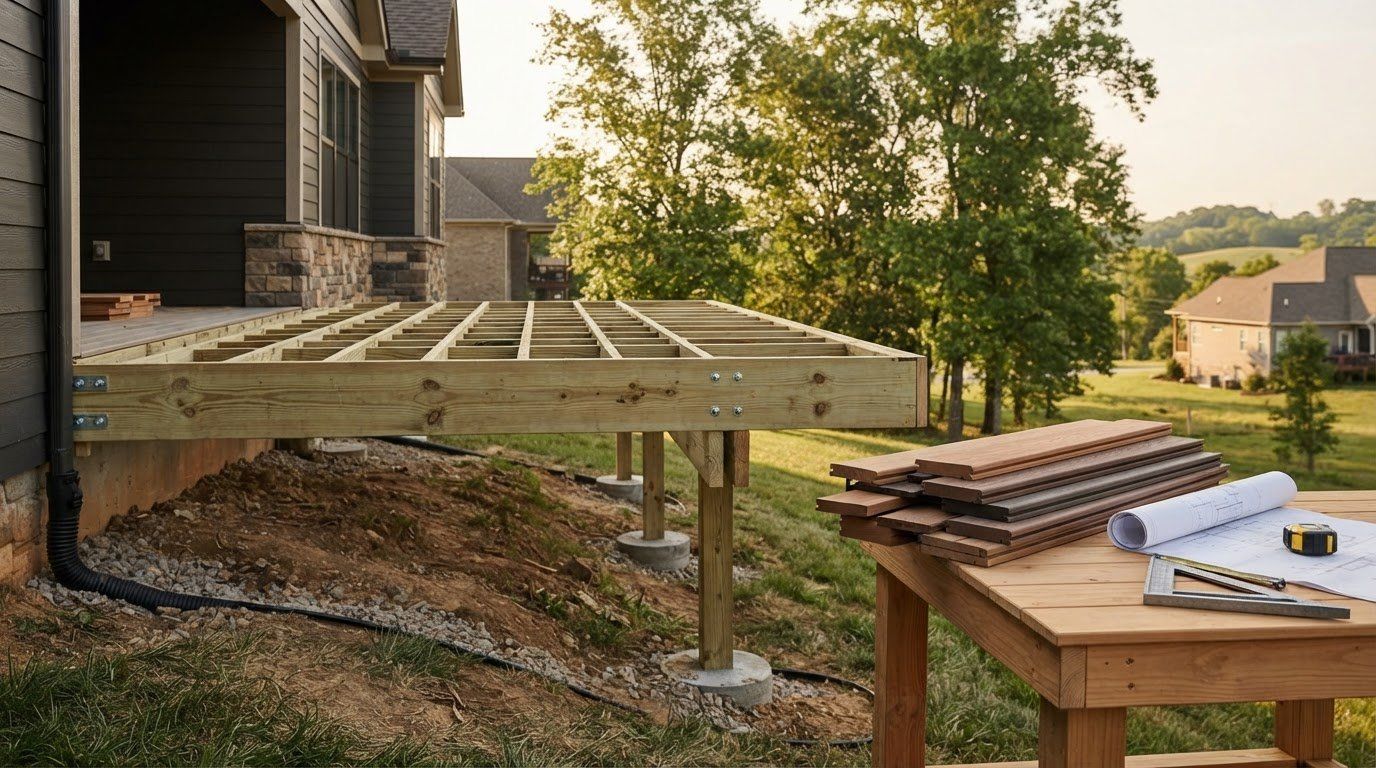
Beyond sizing and fasteners, the placement of your downspouts determines the fate of your foundation. A single storm can dump over 500 gallons of water off your roof. If that water isn't discharged at least 4 feet away from your home, it saturates the soil and creates hydrostatic pressure against your basement walls. This pressure is the primary cause of foundation cracks that can lead to piering repairs costing between $7,500 and $30,000. Additionally, neglecting the drip edge during installation allows water to seep behind the gutter, rotting the fascia and damaging your LP SmartSide siding. If you suspect your current system is failing, you should request a professional inspection to identify these hidden risks before they become structural emergencies.
Myth vs. Reality: Does Every Gutter System Work the Same?
Many homeowners believe that once a gutter is "seamless," the job is done. This is a dangerous misconception. An incorrect gutter installation often begins with the assumption that all contractors use the same equipment and materials. In reality, a "Chuck in a Truck" operation might use a poorly calibrated machine that creates subtle waves in the metal, leading to pools of standing water. If you choose a Master Lead contractor, you're investing in a system where every corner joinery is reinforced with high-grade sealants and every run is measured with laser precision. Don't let the simplicity of the hardware fool you; the engineering behind the install determines your home's safety.
The Seamless Gutter Misconception
The label "seamless" doesn't automatically guarantee a leak-free home. While the straight runs lack seams, the corners and end caps still require expert assembly. If a contractor uses low-quality sealants, the Kentucky freeze-thaw cycle will quickly cause those joints to fail. Material choice also matters. While vinyl is cheap, it has a high coefficient of linear thermal expansion, causing it to warp and crack under the Louisville sun. Professional-grade aluminum provides much better resilience against these temperature swings, maintaining its shape through every season.
DIY vs. Professional Grade Materials
If you buy gutters from a big-box retailer, you're likely getting thin-gauge material that sags under the weight of a heavy rain. We use professional-grade .032-inch aluminum, which offers the durability needed for long-term stability. Amateur installations also carry the risk of "ladder damage," where the weight of a person against the gutter crushes the front lip and ruins the hydraulic flow. Professional crews use specialized stand-offs and laser levels to ensure the pitch is perfect every time, avoiding the common pitfalls of an incorrect gutter installation.
Another common myth is that gutter guards can fix a failing system. If you install guards on a gutter that is already sagging or improperly pitched, you're just hiding the problem while making it harder to clean. Level gutters might look aesthetically pleasing, but they are fundamentally failed gutters. Water must move. If it sits, it invites mosquitoes and rust, eventually leading to the very damage you're trying to prevent. When you prioritize professional gutter services, you're choosing reality over dangerous myths and protecting your home's longevity.
How to Audit Your Own Gutter System: A Homeowner’s Checklist
Identifying an incorrect gutter installation doesn't always require a professional degree; it requires a watchful eye during a Kentucky storm. While the sun is shining, your gutters might look perfectly functional, but the next heavy downpour acts as the ultimate truth-teller. Start your audit with the 'Rainy Day Test.' If you see water cascading over the front edge of the gutter like a waterfall, your system is either clogged or improperly sized for your roof's pitch. Pay close attention to the corners. Leaks at the joinery often indicate that the sealant has failed or the expansion joints weren't properly calculated for our local temperature swings.
Next, walk the perimeter of your home to inspect the 'splash zone.' Look for signs of soil erosion directly beneath the gutter line. If you notice deep ruts in the mulch or pooling water near the foundation, your gutters aren't doing their job. This saturated soil creates hydrostatic pressure that leads to foundation cracks. According to local rainfall data, Louisville storms are becoming more concentrated, making these audits essential. Check your downspout exit points; if they aren't discharging water at least 5 feet away from the house, the system is fundamentally flawed.
Spotting the 'Invisible' Failures
Some failures are subtle. Look for 'tiger striping,' which are dark vertical streaks on the front of the gutter. These marks suggest that water is consistently overflowing and carrying roof debris with it. You should also check for a gap between the gutter and the roof's drip edge. If you can see the fascia board, water is likely running behind the gutter and rotting the wood. On a dry day, place a marble in the gutter. If it doesn't roll toward the downspout, you have a pitch error that will lead to standing water and rust.
When to Call a Protective Expert
It's vital to distinguish between a simple clog and a structural incorrect gutter installation. If you clear the debris and the water still pools, the issue is likely the pitch or hanger spacing. Beware of contractors who suggest simply 're-pitching' an old, warped system. This is usually a temporary band-aid that fails to address the underlying structural fatigue. When your home's integrity is on the line, you need the precision of our gutter installation services in Louisville to ensure a permanent solution.
Schedule your professional gutter audit today
Professional Gutter Solutions in Louisville: The Home Run Standard
At Home Run Improvement, we don't just hang metal; we engineer drainage systems. Every project we undertake is a direct response to the structural threats posed by incorrect gutter installation. By utilizing laser-leveled pitch technology and high-capacity downspout configurations, we eliminate the pooling and overshoot issues that plague standard installs. If you've invested in LP SmartSide siding, you need a gutter system that acts as a precision water diversion tool. A gutter is the 'clasp' that holds your home's exterior defense together.
Our commitment to quality is backed by a 10-year craftsmanship warranty. This isn't just a marketing claim; it's our promise that we stand behind every screw and hanger we install. When you choose us, you're choosing a partner that understands the Louisville climate and the specific demands it places on your home's building envelope. We also recommend Shurflo Gutter Guards to our clients, but only after we've verified that the underlying system is perfectly pitched. Guards are an excellent addition, but they can never compensate for an incorrect gutter installation.
The Owens Corning and LP SmartSide Connection
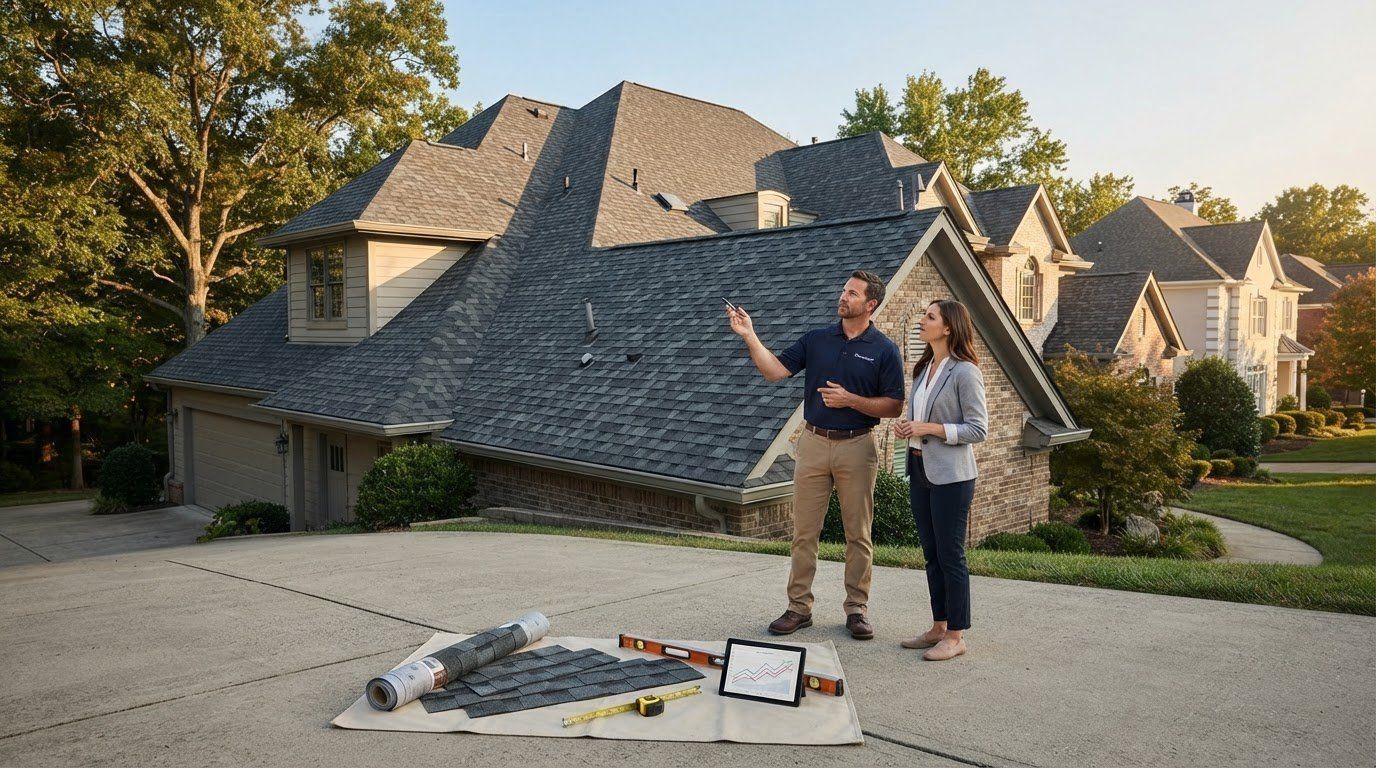
As an Owens Corning Preferred Contractor and LP SmartSide Master Lead, we understand how different exterior components interact. A poorly installed gutter can actually void your roofing warranty if water backs up under the shingles and damages the roof deck. We ensure our gutter systems integrate perfectly with the drip edge to maintain manufacturer standards. Protecting your investment means looking at the entire building envelope, ensuring your gutters work in harmony with your shingles and siding according to LP Building Solutions technical specifications.
Serving Louisville and Southern Indiana
We are proud to be a locally owned and operated fixture in the community. Whether you live in Anchorage, Prospect, or Indian Hills, our team treats your property with the same care we would our own. We also extend our professional services to our neighbors in Southern Indiana, bringing the same level of integrity to every job site. Don't wait for the next heavy rain to reveal a structural failure in your drainage system. You deserve the peace of mind that comes with a system installed by experts who prioritize your home's longevity.
Schedule your free gutter audit today
Securing Your Home’s Structural Future
Your home's longevity depends on a drainage system that performs under pressure. We've explored how precision sizing and laser-leveled pitching prevent water from eroding your foundation or rotting your fascia. By understanding the link between high-capacity gutters and the protection of your building envelope, a concept prioritized by building science professionals, you're now equipped to spot the signs of failure before they become structural emergencies. This is especially vital given the intensified Louisville storm patterns recently documented by the National Weather Service.
Home Run Improvement is committed to providing Louisville homeowners with security and peace of mind. As an Owens Corning Preferred Contractor and LP SmartSide Master Lead, we ensure every exterior component works in perfect harmony. We eliminate the risks associated with incorrect gutter installation by applying rigorous engineering standards to every project. Every installation we perform is backed by our 10-year craftsmanship warranty, giving you the long-term stability you deserve from a locally owned expert.
Protect your home with a professional gutter audit from Home Run Improvement
Take the first step toward a drier, safer home today. We're ready to help you safeguard your property for decades to come.
Frequently Asked Questions
What are the first signs of incorrect gutter installation?
Common red flags include water overflowing during moderate rain, visible sagging, or gaps between the gutter and the fascia board. In Louisville, look for "tiger striping" on the gutter's face, which indicates consistent overflow. If you notice soil erosion or ruts in your landscaping directly below the roofline, it's a clear sign that the system isn't managing the water shed effectively. These early warnings often point to improper hanger spacing or sizing errors.
Can incorrectly installed gutters cause foundation cracks?
Yes, improper drainage is a leading cause of structural foundation failure. When an incorrect gutter installation allows water to pool at the base of your home, it saturates the soil and creates hydrostatic pressure against basement walls. Over time, this pressure forces the walls to shift or crack. Ensuring your downspouts discharge water at least five feet away from the foundation is the standard defense against these costly structural repairs.
How much slope should a gutter have per foot?
A professional grade gutter system requires a slope of roughly 1/4 inch for every 10 feet of horizontal run. While a perfectly level gutter might look aesthetically pleasing against your home's roofline, it's functionally useless. Without this precise pitch, water remains stagnant, inviting rust and mosquitoes. We use laser levels to ensure this angle is consistent across the entire run for maximum hydraulic efficiency and debris removal.
Is it normal for gutters to have a small amount of standing water?
No, gutters should be completely dry within a few hours after the rain stops. If you see standing water, it's a definitive sign of an incorrect gutter installation or a significant clog. Stagnant water adds immense weight to the system, causing hangers to pull loose from the fascia. In the Louisville climate, this water will freeze during winter, leading to heavy ice dams that can damage your shingles and siding.
Can I fix the pitch of my gutters myself?
DIY re-pitching is rarely a permanent solution because it doesn't address structural fatigue in the metal or the underlying fascia. Most homeowners lack the specialized stand-offs and laser tools needed to calibrate a precise slope over a long distance. If the hangers were originally spaced too far apart, simply moving them won't stop the sagging. A professional audit ensures the entire system is structurally sound and avoids further damage.
Why is water leaking behind my gutters instead of into them?
This usually happens when the gutter is installed without a proper drip edge or is placed too low on the fascia board. Water follows the curve of the roof, and surface tension pulls it behind the gutter channel. This leads to silent rot in your fascia and can eventually damage your siding investment. A correct installation ensures the gutter is tucked up under the roof's edge to catch every drop of runoff.
How many downspouts does a standard house need?
The general rule is one 3x4-inch downspout for every 30 to 40 feet of guttering. However, the complexity of your roof's surface area and the intensity of local rainfall dictate the final count. In Louisville, where microburst storms are common, we often recommend additional downspouts to prevent the system from becoming overwhelmed. Proper placement is just as important as the total number to ensure water moves away from the foundation.
Does a new roof include new gutter installation?
Not necessarily, as gutters are technically a separate system from the roofing deck and shingles. However, as an Owens Corning Preferred Contractor, we strongly recommend evaluating your gutters during a roof replacement. If you install a high-performance roof but keep a failing gutter system, you risk water backing up under your new shingles. We provide integrated solutions to ensure your entire building envelope remains protected under our 10-year craftsmanship warranty.