Should You Book a Free Roof Inspection Before Winter Arrives?
Every fall, thousands of homeowners discover too late that their roof was nowhere near ready for winter. Roof repair and replacement cost value totaled nearly $31 billion in 2024, up nearly 30 percent since 2022, and a significant portion of that spending could have been avoided with a simple pre-season checkup. A free roof inspection before the cold arrives takes less than two hours, costs you nothing out of pocket, and can be the difference between a $200 repair and a $20,000 crisis. The question for most homeowners is whether these inspections are genuinely useful or just a sales opportunity for roofing contractors. The honest answer is: both can be true, and this guide will help you tell them apart.
Key Takeaways
- Roofs deteriorate faster than most people realize: Around 29 percent of U.S. homes with asphalt shingles have less than four years of remaining useful roof life, and roofs nearing that point can sustain 50 percent more damage during severe weather compared to roofs with eight or more years of life remaining. If you have not had an inspection in several years, schedule one before the first hard frost.
- The timing window matters: Most roofing professionals recommend an inspection once a year, ideally in the fall before winter weather sets in, and again after any major wind or hail event. Fall gives you the best chance to find and fix problems while temperatures are still workable.
- Small repairs prevent catastrophic costs: Minor shingle repairs caught early run $150 to $400; ignored damage escalates to $1,200 to $3,500 in roof decking rot or $8,000 to $18,000 in full replacement. A free inspection that catches even one minor issue pays for itself many times over.
- A credible inspection ends with paperwork: A credible free inspection ends with documentation, not just a conversation. Homeowners should expect photo documentation of slopes, penetrations, and any identified issues as part of a written report. That report becomes your reference point for repair estimates, insurance conversations, and future maintenance planning.
- Age determines your urgency: Use this general reassessment timeline for an asphalt shingle roof: years 0 to 10 carry minimal concern unless storm damage occurs; years 12 to 15 warrant an inspection every two to three years; years 15 to 20 are the lifecycle reassessment window; and at 20-plus years, annual inspection is recommended.
Quick-Start Prioritization Framework
Start here if you're:
- A homeowner with a roof over 15 years old: Schedule a professional free inspection before mid-October. A roof that is 15 to 20 years old or older should be professionally inspected before each winter season.
- Seeing any interior warning signs: Ceiling stains, attic condensation, or unusually high heating bills all point to roof issues. Act before freezing temperatures lock in the damage.
- Unsure of your roof's age: A licensed contractor can estimate age from shingle type and wear patterns during a free inspection, that knowledge alone guides every other decision you make.
What a Free Roof Inspection Actually Covers
Many homeowners assume a free inspection is a quick glance from the driveway. A legitimate inspection covers considerably more ground than that.
The Five-Zone Checklist Professionals Follow
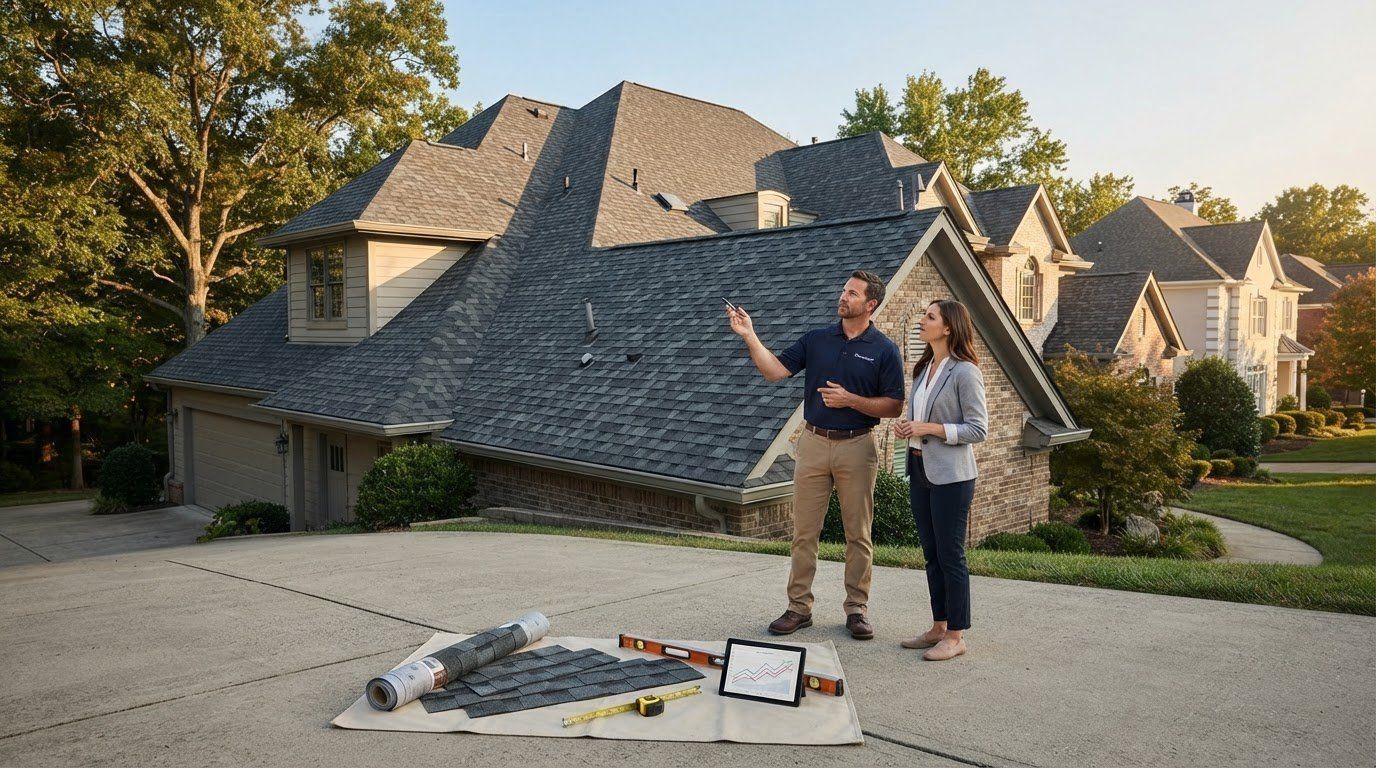
A standard free roof inspection covers five to seven components, including shingles, flashing, gutters, attic ventilation, and structural decking, and typically takes 45 to 90 minutes to complete on a residential roof. That is not a superficial drive-by; it is a systematic review of every system that keeps water out of your home.
The exterior check covers shingle condition, flashing integrity around chimneys and vents, gutter attachment and drainage, and the overall roofline for sagging. This includes areas around chimneys, plumbing vents, skylights, and roof valleys. Flashing that is rusted, bent, separated, or missing sealant can let water in long before you notice a ceiling stain. The attic check is equally important. Exterior and attic checks together detect hidden leaks and structural issues that a surface-only visual pass would miss entirely.
Pro Tip: When your inspector finishes, ask them to walk you through the photos on the spot and explain which findings are urgent versus which can be monitored over the next season. Most roofing professionals photos when possible and explain what is urgent versus what can be monitored. A cracked vent boot and a rotted section of decking are not the same kind of problem, and they should not get the same kind of quote.
Free vs. Paid: Is There a Real Difference?
Many homeowners wonder if a free roof inspection differs from a paid roof inspection. The answer depends on the roofing contractor you choose. Some roofing companies offer visual inspection, while others may include infrared or drone roof inspections. For most residential homes, a thorough visual inspection with attic access is sufficient to identify the issues that matter most heading into winter.
In terms of what you should receive at the end, the standard is clear. Once a contractor has completed an inspection, they should provide you with a full report and allow you time to make your own informed decision about any repairs they recommend. The report should include photos and descriptions of any damage. If a contractor finishes and simply tells you verbally that "everything looks fine" with no documentation, that is a flag worth noting.
The Real Cost of Skipping a Pre-Winter Inspection
Numbers make this concrete. The national average for a paid inspection sits at $331, and that inspection can prevent a single roof leak that might cause $3,000 to $15,000 in water damage to your ceiling, walls, flooring, and belongings. When you factor in potential mold remediation costs, which can easily exceed $10,000, the return on investment becomes even more dramatic. When the inspection is free, the math becomes even simpler.
Ice Dams: Winter's Hidden Budget Killer
One of the most expensive winter roof problems is one many homeowners have never heard of until they are already dealing with it. Ice dams appear when snow melts on the warmer sections of your roof and then refreezes at the colder edges. This process creates a barrier of ice that prevents proper drainage, causing water to pool behind it. The trapped water often finds its way under shingles and into the home, leading to serious structural damage and expensive repairs.
The average ice dam removal cost is $1,200, but homeowners might spend between $400 and $4,000. Several factors that affect the cost include the size of the house or its roofline, the removal method, local labor rates, snow removal, or any additional inspections or roof repairs. That figure does not include the downstream water damage and mold remediation. A pre-winter inspection that identifies poor attic ventilation, the root cause of most ice dams, can prevent that entire scenario from developing.
The Insurance Dimension
Roofs in moderate to poor condition have 60 percent higher loss costs than those in good or excellent condition, and 38 percent of homes in the U.S. have roofs that are in moderate to poor condition. That statistic matters to your insurer as much as it matters to you. Insurers are increasingly scrutinizing roof age and condition at renewal time, and a well-documented inspection report gives you defensible evidence of your roof's status.
Warning Signs You Should Not Ignore Before Booking
You do not need to climb onto your roof to know whether an inspection is overdue. Several warning signs are visible from the ground or from inside your home.
What to Look for From the Ground
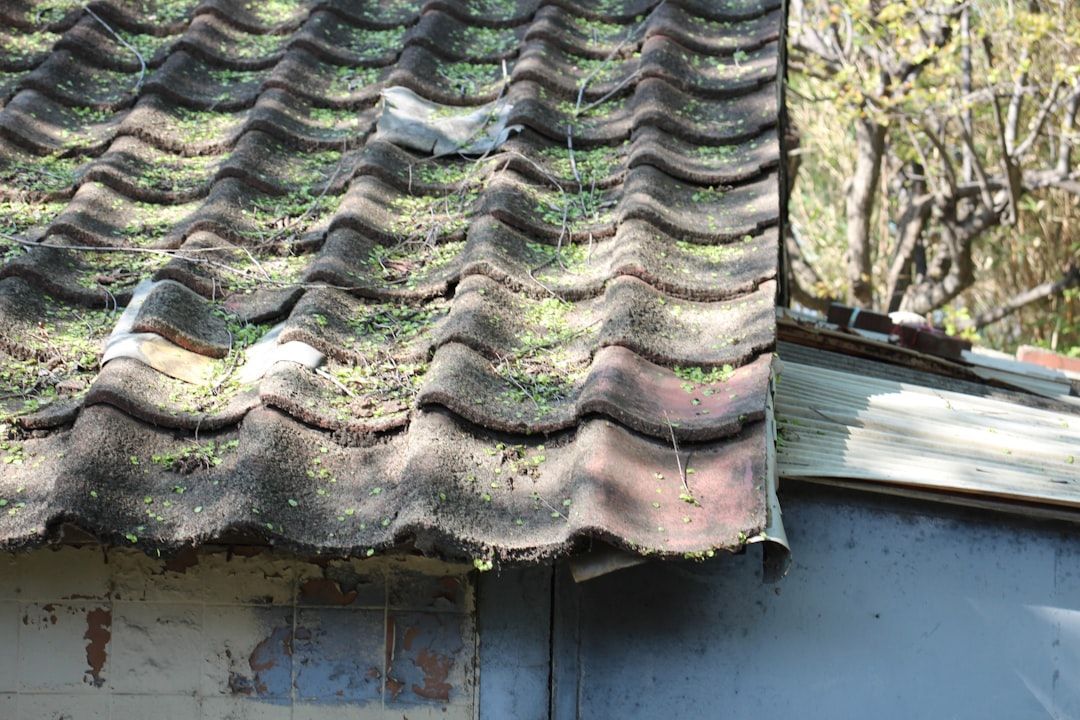
A handful of warning signs mean your home needs a roof inspection before the first snow rather than waiting for your regular annual check: curling or missing shingles, granules collecting in gutters, water stains on ceilings, daylight in the attic, and a sagging roofline. Any single one of these is enough to make the call.
If you see small, sand-like particles collecting in your gutters, that may be a sign your shingles are wearing down. These granules protect shingles from UV exposure and weather damage. Once they begin wearing away, the shingles themselves deteriorate much faster. This is one of the most commonly missed signals because it requires actually looking into the gutters rather than just scanning the roof surface.
What to Look for Inside Your Home
Yellow or brown stains on ceilings, especially near exterior walls or around chimneys, almost always point to water finding its way past your roofing system. By the time a stain is visible inside your home, water has typically been getting through for a while, the stain is a symptom of an issue that has been developing, not a sudden event.
Increased energy bills may also indicate roof performance problems affecting home efficiency. Poor ventilation, inadequate insulation, or air leaks around roof penetrations can significantly impact heating and cooling costs. If your heating bills jumped last winter without an obvious explanation, your roof's ventilation system is worth having checked.
Pro Tip: Before your inspector arrives, do a quick attic walkthrough with a flashlight during daylight hours. Look for any spots where you can see light coming through the roof decking. Attic spaces are often dim even during the day, and a bright flashlight makes it much easier to spot moisture stains or daylight gaps. This takes five minutes and gives you useful context for the professional's report.
Before you book anything, this news segment breaks down how unsolicited free inspection offers can be the opening move in a costly scam.
How to Choose a Trustworthy Contractor for Your Free Inspection
The value of a free inspection depends entirely on who is conducting it. Knowing what separates a legitimate contractor from an opportunist is worth understanding before you make a call.
Green Lights: What a Good Contractor Does
Reputable roofing contractors are licensed, insured, and willing to prove it before they set foot on your property. You can ask the contractor to show their credentials. A reputable roofing professional should be more than happy to provide their licensure and proof of insurance.
A reputable contractor will provide their findings in writing and allow you to review the information before making a decision. They will also give you time to think, gather other estimates, and ask follow-up questions. Quality contractors will be patient, respectful, and willing to answer your questions.
Red Flags: When to Walk Away
Unsolicited door-to-door visits are the biggest warning sign. Pressure to decide immediately means they do not want you researching them. Established contractors earn their work through reputation and referral; they do not need to canvass neighborhoods.
Red flag answers include being vague about license or insurance, rushing through in under 20 minutes, pressure for immediate decisions, refusing written reports, and finding "emergency" damage on newer roofs. If any of these come up during your interaction, end the appointment and start fresh with a different company.
Pro Tip: Before scheduling with any contractor, verify their license through your state's licensing board website and check Google reviews for patterns, not just the overall rating. A company with 50 reviews over three years and consistent responses from ownership is a far safer choice than one with 200 reviews and zero engagement.
What Happens After the Inspection
The inspection report is the beginning of the process, not the end. Understanding what to do with it makes the entire exercise productive.
Reading Your Report Honestly
The person inspecting your roof works for a company that profits from repairs. That does not make the inspection dishonest, but it does mean you should read the report critically and get a second opinion on any major findings before committing to significant work. This is especially true for any recommendation involving full roof replacement.
For minor repairs, acting quickly is the right move. Even small leaks can lead to big problems in winter. Water inside your roof structure can freeze, expand, and create larger gaps. This worsens leaks and could damage insulation, ceilings, and even your home's framing. A cracked flashing seal repaired in October is a $200 job. The same issue ignored through a hard winter can easily become a structural problem requiring far more than that to fix.
Using the Report for Insurance and Planning
Attic spaces are often dim even useful evidence if storm damage needs to be reported. Store your inspection report, including all photos, in a folder you can access quickly. If a winter storm causes damage, having a pre-storm baseline report can significantly strengthen an insurance claim by demonstrating the roof's condition before the event.
Teams like Home Run Improvement document their findings thoroughly and walk homeowners through the repair priority levels so there are no surprises between the inspection and any follow-up work.
Frequently Asked Questions
How long does a free roof inspection take?
A standard free roof inspection covers five to seven components and typically takes 45 to 90 minutes to complete on a residential roof. Larger or more complex rooflines, or roofs with multiple penetrations and features, may take slightly longer. A thorough inspector will not rush this process.
Will I be pressured to buy repairs after a free inspection?
A reputable contractor will not pressure you. A contractor who pressures you to sign a contract on the spot, especially after a storm, is a red flag. Legitimate roofing companies give you time to review estimates, ask questions, and make an informed decision. If you feel pressured, you are free to thank the inspector, take the report, and get additional opinions before committing to anything.
What does my roof's age mean for a winter inspection?
Most asphalt shingle roofs should be replaced every 15 to 30 years, depending on the shingle type and your climate. Three-tab shingles generally need replacement around the 15 to 20 year mark, while architectural shingles can often go 25 to 30 years with proper maintenance. If your roof is approaching or past these thresholds, a pre-winter inspection is not optional; it is essential. Owens Corning advises that most asphalt shingle roofs last between 15 and 30 years, and it is critical to start planning for replacement once your roof hits the 20-year mark, even if problems are not yet visible.
Can a roof inspection actually be done safely in cold weather?
Yes, you can inspect a roof in winter. Even with snow or low temperatures, experienced contractors use tools like drones, ladders, and attic access to safely assess roof conditions. A winter inspection is often more revealing because cold weather exposes issues that go unnoticed in summer. That said, fall, before the first significant snowfall, remains the ideal window because it gives you maximum time to schedule and complete any repairs.
How often should I get a roof inspection if everything looks fine?
Most professionals recommend a roof inspection at least once a year. The best time to inspect a roof is not only when you suspect damage. A quick review in the spring and fall helps you stay ahead of age-related wear, flashing issues, and drainage problems. Think of it like a dental checkup, regular maintenance is far cheaper than emergency treatment.
The Bottom Line
A free roof inspection before winter is one of the smartest, lowest-effort home protection steps available to any homeowner. The inspection itself costs nothing. The knowledge it gives you, about your roof's condition, its remaining life, and any repairs needed before the cold hits, is worth considerably more than the cost of any single repair it might uncover. The only real risk is booking with someone who lacks the credentials and documentation practices of a legitimate contractor. Verify licensure, expect a written report with photos, and take time to review the findings before committing to any work. Done right, a pre-winter roof inspection gives you exactly what every homeowner wants heading into the coldest months: clarity and confidence.
If you are ready to get a professional set of eyes on your roof before winter, Home Run Improvement offers thorough pre-season inspections with documented findings and no-pressure recommendations. Book before the fall rush to ensure you have time to address any repairs while weather and contractor availability are still on your side.
Sources
- U.S. Roof Claims Costs Reached Over $30 Billion In 2024, Verisk Analytics. Industry data on roof claim volume and condition of U.S. roofs. https://www.verisk.com/company/newsroom/u.s.-roof-claims-costs-reached-over-$30-billion-in-2024-underscoring-evolving-risks/
- Roof Claim Costs Increased 30% from 2022 to 2024, IA Magazine. Summary of Verisk roofing trends report. https://www.iamagazine.com/news/roof-claim-costs-increased-30-from-2022-to-2024/
- What Does Free Roof Inspection Mean for Homeowners, Elevated Roofing and Siding. Guide to free inspection process and documentation expectations. https://elevatedroofingandsiding.com/what-does-free-roof-inspection-mean-for-homeowners/
- What Is a Free Roof Inspection and What Does It Include, Paramount Building Inc. Component checklist and timing guidance for Detroit homeowners. https://paramountbuildinginc.com/blogs/free-roof-inspection/
- What We Look for During a Free Roof Inspection, Southwest Roofing MI. Inspection frequency and seasonal timing recommendations. Most roofing professionals
- What Is a Roof Inspection Worth? A Homeowner's Guide to Value, Como Exteriors. Cost-benefit analysis of inspections vs. repair and replacement costs. https://comoexteriors.com/what-is-a-roof-inspection-worth-a-homeowners-guide-columbia-mo/
- Roof Inspection Before the First Snow: Warning Signs, Roof Crafters West. Visual warning signs checklist for pre-winter preparation. A handful of warning signs mean
- How Much Does Ice Dam Removal Cost?, Yahoo Lifestyle / HomeAdvisor data. National cost averages for ice dam removal and related repairs. For additional cost averages for ice dam removal and related repairs, ice dam removal costs average $1,200, with most homeowners spending between $650 and $2,400.
- Free Roof Inspections: Legit or Scam?, RoofQuotes. Red flag checklist and contractor vetting guidance. https://roofquotes.com/blog/free-roof-inspection-legitimate-or-scam
- Choosing a Roofing Contractor: 7 Red Flags to Watch For, Southwest Exteriors. Signs of legitimate vs. predatory contractor behavior. https://www.southwestexteriors.com/blog/2025/april/choosing-a-roofing-contractor-7-red-flags-to-wat/
- How Long Do Shingle Roofs Last?, Home Genius Exteriors. Owens Corning guidance on asphalt roof lifespan and replacement planning. https://homegeniusexteriors.com/genius-blog/how-long-do-shingle-roofs-last/
- Complete Roof Inspection Checklist Guide for Homeowners, Classic Midwest. Seasonal inspection scheduling and documentation best practices. Attic spaces are often dim even
- Signs Your Roof Was Damaged by Snow and Ice, Star Roofing. Age-based inspection urgency and winter damage identification. https://starroofing.net/residential/signs-your-roof-was-damaged-by-snow-and-ice/
- Roofing Facts and Statistics 2025, This Old House. Hail damage cost data and general roof maintenance guidance. https://www.thisoldhouse.com/roofing/roofing-facts-and-statistics