Find Trusted Gutter Installation Near You in 2026

Pat McIntyre • August 11, 2026

Water does not announce itself before it damages your home. It seeps quietly into fascia boards, pools silently against your foundation, and works its way into basements over months, sometimes years, before you notice anything wrong. By then, the repair bill has grown dramatically. Foundation repairs alone can run anywhere from $6,753 to $13,506 or more, depending on the severity of damage, compare that to the typical cost of new gutters, generally $1,350 to $4,052 for an average-sized home, and the case for acting early is compelling.

A properly functioning gutter system is the first line of defense between rainfall and your property's structure. Finding trusted gutter installation near me means more than picking the cheapest quote from a search results page. It means identifying a qualified local contractor who understands your climate, your home's specific layout, and the consequences of a system that fails. This guide gives you every tool you need to do exactly that.


Key Takeaways

  • Gutter failure is expensive to ignore: Flow Shield Guards data shows professional gutter maintenance costs £100 to £300 annually, while the average water damage claim from gutter neglect ranges from £11,605 to £14,000. Address problems early or pay far more later.
  • The national average installation cost sits around £3,000: EcoWatch's 2026 homeowner cost guide puts the national average at around £3,000, working out to approximately £20 per linear foot based on a typical 2,400-square-foot home. Budget accordingly and collect at least three quotes before committing.
  • Seamless systems outperform sectional gutters: Modernize's 2026 installation cost calculator notes that seamless gutters cost £8 to £28 per linear foot installed; while more expensive than sectional systems averaging £3 to £20 per linear foot, they reduce leak risk and require less maintenance over time. Prioritise seamless if your budget allows.
  • Licensing and insurance are non-negotiable: Advantage Home Pros' contractor vetting guide identifies a contractor who cannot provide proof of licensing or insurance as one of the biggest red flags, without proper insurance, you could be held responsible if an accident occurs on your property.
  • Combine gutter replacement with siding when timing aligns: Scheduling gutter replacement near me alongside siding installation near me often reduces total labour costs, since both trades work along the same roofline and exterior.

Quick-Start Prioritisation Framework

StrategyBest ForEffort LevelTime to ResultsGet 3 local quotes and compare itemised breakdownsAll homeownersLowDaysInspect gutters yourself for visible sagging, rust, or overflowDIY-confident homeownersLowSame dayPrioritise seamless aluminium installationMost residential homesMedium1-2 weeksBundle gutter and siding work with one contractorHomes needing both exterior upgradesMedium2-4 weeksAdd gutter guards after installationHomes surrounded by treesMedium1 week

Start here if you are:

  • A first-time buyer or new homeowner: Begin with a professional inspection to establish the current condition of your gutters before booking any work.
  • Seeing overflow, sagging, or staining: These are active failure signs, book a replacement quote this week, because delay increases downstream repair costs.
  • Planning a full exterior refresh: Coordinate gutter replacement near me with siding installation near me through one contractor for better scheduling and potential savings.

How to Spot the Signs You Need Gutter Replacement Near Me

Most homeowners only notice their gutters when something obvious goes wrong, a waterfall of rain cascading over the edge, or a dark stain spreading down the brickwork. In my experience, the real warning signs appear long before that point, and catching them early is the difference between a straightforward replacement and a complicated structural repair.

Sagging, Pulling Away, and Visible Cracks

Ridgeline Construction's 2026 warning signs guide explains that gutters sagging or detaching from the fascia indicate failed hangers, rotting wood, or a system too heavy with debris, and water pooling in the low points accelerates corrosion. Once a gutter section sags significantly, refastening it only provides a temporary fix. Werner Roofing's replacement guide notes that continued sagging or pulling away from the roof usually signals that the gutters are done, or that the fascia board has started to rot, either way, replacement is in order.

Rust Streaks, Overflow, and Foundation Staining

Ridgeline Construction's warning signs checklist identifies orange rust streaks or peeling exterior paint near the roofline as signals that chronic water exposure has broken down the protective coating. If you also see water cascading over the edges during moderate rain, that points to inadequate sizing, pitch problems, or blockages that cleaning alone will not fix. Werner Roofing's gutter replacement guide explains that your gutter system is designed to channel water away from your home's foundation, and gutters that are not working properly may cause water to collect around the foundation and lead to serious erosion problems. Act on this immediately, the longer water pools against your foundations, the closer you get to a five-figure structural repair bill.

How Long Should Gutters Actually Last?

Ridgeline Construction's lifespan guide notes that most aluminium gutters last 20 to 30 years, but regional humidity, pine needle build-up, and severe storm seasons can cut that lifespan significantly, and if your gutters are over 15 years old, an annual inspection is critical, because catching problems early can mean a £1,200 repair instead of a £6,000 foundation fix.

Pro tip: Walk the perimeter of your home after a period of heavy rain. Look at the ground directly below the gutters. If you see channels of washed-away soil, puddles against the foundation walls, or watermarks on your siding, you have an active drainage failure that needs professional attention promptly.

What Gutter Installation Near Me Actually Costs in 2026

Cost is usually the first question homeowners ask, and the answer depends on material choice, home size, roof complexity, and your local labour market. Understanding the numbers puts you in a much stronger position when comparing quotes.

Material and System Choices

A 2026 cost guide puts gutter installation at £12 to £25 per linear foot including labour and materials, or £2,200 to £5,000 total for an average home. Material choice is the primary cost lever. This Old House's 2026 pricing breakdown explains that vinyl gutters are lightweight, affordable, and easy to install, though they are more prone to cracking and warping in extreme temperatures and typically last around 10 to 20 years, while aluminium gutters are lightweight, rust-resistant, and widely considered the industry standard for residential homes.

For most homes, aluminium seamless gutters represent the best balance of performance, longevity, and cost. Premium options such as copper deliver 50 or more years of service life but carry a significantly higher price tag.

What Drives the Price Up

Modernize's 2026 installation cost calculator highlights that costs increase for multi-storey homes, seamless systems, high-end materials such as copper, or projects that include gutter guards or downspout upgrades. If your old gutters were leaking, there is also a practical complication. Cola City Roofing's pre-hire checklist points out that if old gutters were leaking, there is a good chance the fascia behind them has rotted, and homeowners should ask the installer what happens if they find rot, since a reputable company will inspect the fascia as they remove the old gutters.

If a quote comes in dramatically below every other bid, treat that as a warning signal. One Way Exteriors' red flags guide states that an unusually low bid typically indicates low-quality materials, a lack of professional installation skills, a lack of insurance, and possibly no warranty on workmanship or materials.


How to Find and Vet a Trusted Local Gutter Installer

Searching for gutter installation near me returns dozens of results in most areas. The challenge is separating credible, well-established contractors from those who will leave you with poor work and no recourse. I've found that a short, structured vetting process makes this far more straightforward than most homeowners expect.

Check Credentials Before You Discuss Price

A Contractor buyer's guide states that confirming your contractor is licensed, insured, and bonded protects you during installation and ensures your gutter professional stays current on installation techniques and safety standards. Ask for proof of both general liability insurance and workers' compensation cover. If a contractor is hesitant to provide documentation, end that conversation.

Maine Gutter Works' homeowner vetting guide advises looking for a pattern of trust signals rather than one single proof point, a reputable company should have a clear service area, real contact information, local reviews, a written estimate process, insurance, clear warranty language, and a willingness to answer questions.

Read Reviews and Ask for References

Aerotech's contractor selection guide recommends reading customer reviews on sites like the Better Business Bureau, Yelp, and Google Reviews, and also to trust your instincts and avoid pushy companies who will not let you sleep on a decision or cannot explain their process and costs clearly.

Lindus Construction's hiring tips guide suggests asking a contractor's references whether the jobsite was kept clean, how the contractor handled safety protocols, and whether the job was completed on time within the agreed budget, with established, trustworthy contractors having a long list of clients they are happy to put you in direct contact with.

Understand the Warranty Before Signing

Warranty terms reveal more about a contractor's confidence than any sales pitch. Cola City Roofing's warranty explainer sets out that 2 to 5 years is the industry standard for average contractors, covering the break-in period where most installation errors reveal themselves, while a 10-year to lifetime warranty indicates a top-tier contractor who is using premium sealants, proper hanger spacing, and highly trained crews.

Pro tip: Always ask whether the workmanship warranty is transferable to a new owner. A transferable warranty adds genuine value when you come to sell, and a quality contractor will offer it as standard.

Gutter Replacement Near Me: Doing It at the Right Time

Timing your gutter replacement near me strategically can save money and disruption. Spring and autumn are the natural inspection windows, after winter's freeze-thaw stress, and before the heavy rainfall season.

Bundling With Siding Installation Near Me

If your home needs siding work as well as new gutters, scheduling both projects together can reduce overall costs. Modernize's 2026 siding cost calculator reports that siding costs £4 to £13 per square foot installed, with most homeowners paying between £5,560 and £17,714 for a full replacement and a national average siding replacement cost of £11,580. When gutters and siding installation near me are handled by the same contractor in a single mobilisation, you avoid paying twice for scaffolding, site preparation, and access equipment.

Homeyou's siding cost breakdown notes that adjustments or refinishing to windows, doors, and gutters to accommodate new siding could raise the overall expense at an hourly rate of around £89, so coordinating both scopes from the outset prevents unexpected add-on charges mid-project.

The Post-Installation Checks That Matter

Aerotech's installation process guide advises homeowners to ask for a timeline during installation, address any visual concerns, confirm the contractor is meeting agreed terms, then confirm the maintenance schedule needed to guarantee the warranty, and to go out during the first rainfall to check that downspouts are working properly and that no leaks or overflow are present.

Pro tip: Downspout placement matters as much as gutter quality. SureFlow Gutters' contractor Q&A guide points out that too few downspouts cause gutters to overflow during heavy rain, while poorly placed ones cause water to pool directly against your foundation. Ask your installer to explain their downspout layout before work begins.

Common Gutter Installation Mistakes to Avoid

Even well-intentioned homeowners make costly errors when hiring for this project. After reviewing dozens of contractor vetting guides, a few mistakes stand out as consistently avoidable.

Paying in Full Before the Work Is Done

Cola City Roofing's pre-hire guide explains that a deposit of 10 to 50 percent is standard to schedule the job and cover materials, but homeowners should never pay the full balance until the work is completed and inspected, and that a demand for 100 percent upfront cash payment is a major warning sign.

Accepting a Verbal-Only Contract

Cola City Roofing's contract advice states clearly that work should never begin without a signed contract, which should detail total cost and payment schedule, start and completion dates, specific materials including gauge, colour and size, warranty information, and scope of work covering removal, disposal, and installation.

Choosing Sectional Gutters to Save Money

Lindus Construction's hiring tips guide flags it as a red flag if a contractor offers to install seamed gutters sold in multiple sections, while this route is cheaper, it is a very temporary solution to a permanent problem. Seam joints are the primary failure point in any gutter system. Paying a little more for seamless installation upfront avoids repeated repair callouts within a few years.

Ignoring the Condition of the Fascia

SureFlow Gutters' pre-hire Q&A notes that a good contractor will flag any fascia condition concerns during the estimate visit and explain what replacement would cost, and that a contractor who never looks at the fascia is setting both parties up for an uncomfortable conversation on installation day.


Frequently Asked Questions

How do I find a reputable gutter installer near me?

Start with neighbours and friends who have recently had similar work done, personal referrals from within your community carry more weight than anonymous online listings. Landmark Roof's guide to independent gutter installers highlights that checking a contractor's credentials is a critical step before hiring, with reputable installers typically being licensed and insured, which protects you in case of accidents or property damage during installation. After receiving referrals, cross-check reviews on Google and the Better Business Bureau, and collect at least three itemised quotes before making a decision.

How much does gutter installation typically cost in 2026?

LeafFilter's national pricing data puts the average cost of installing new gutters in the US at approximately £2,624 to £4,723. Costs vary significantly based on material choice, home size, roof complexity, and whether old gutters need removing. Multi-storey homes and premium materials such as copper will push the price considerably higher. Collect itemised quotes from three local contractors to get a realistic figure for your specific property.

When should I replace gutters rather than repair them?

Ridgeline Construction's 2026 warning signs guide advises that not every gutter problem requires full replacement, some issues can be patched or repaired, but when multiple signs appear together, or when repairs become a recurring expense, replacement is the smarter investment. Sagging sections, widespread rust, repeated seam failures, and persistent overflow during moderate rainfall all point toward replacement rather than repair.

What questions should I ask before hiring a gutter contractor?

Aerotech's contractor selection guide recommends asking how gutters will direct water away from your home, whether the contractor recommends a specific gutter type for local weather conditions, and whether they offer ongoing gutter maintenance services. Always ask to see proof of insurance, request a written warranty covering both materials and labour, and confirm the payment schedule in a signed contract before work begins.

Can I bundle gutter and siding installation with one contractor?

Yes, and doing so often makes practical and financial sense. Many exterior contractors offer both services, and combining gutter replacement near me with siding installation near me into a single project reduces the number of times scaffolding and access equipment must be set up. Ask each contractor during the quoting process whether they handle both scopes, and confirm that the siding and gutter warranties are documented separately so you know exactly what each covers. Home Run Improvement is one example of a full-service exterior contractor that can coordinate both scopes in a single project, simplifying the process for homeowners.


Sources

  1. 2026 Gutter Installation Cost Guide, EcoWatch. National average pricing, material breakdowns, and cost factors. https://www.ecowatch.com/gutters/gutter-installation-cost
  2. Gutter Installation Cost Calculator 2026, Modernize. Seamless vs sectional pricing, material comparison. Modernize's 2026 installation cost calculator
  3. Gutter Installation Cost in 2026, This Old House. Material options, vinyl vs aluminium comparison. https://www.thisoldhouse.com/gutters/gutter-installation-cost
  4. Average Gutter Installation Cost, LeafFilter. National pricing data. https://www.leaffilter.com/blog/home-exteriors/roofing-gutters/much-new-gutters-cost/
  5. When to Replace Gutters: 7 Warning Signs (2026), Ridgeline Construction. Lifespan, failure signs, replacement triggers. https://ridgelineconstructionhsv.com/when-to-replace-gutters-downspouts/
  6. When to Replace Gutters, Thompson Creek. Foundation drainage and overflow warning signs. Werner Roofing's gutter replacement guide
  7. When to Replace Gutters, Werner Roofing. Sagging, rust, and fascia indicators. https://www.wernerroofing.com/blog/when-to-replace-gutters-5-key-signs
  8. Gutter Statistics: The Data You Need for 2026, NGutter. Maintenance ROI, water damage claim averages. https://ngutter.com/gutter-statistics/
  9. Gutter Repair Cost Guide, Flow Shield Guards. Water damage repair costs from gutter neglect. https://flowshieldguards.com/the-hidden-cost-of-neglected-gutter-maintenance-a-comprehensive-analysis-of-water-damage-repair-bills/
  10. Gutter Replacement Timeline and Interior Damage, SavingsHunter. Foundation repair costs vs gutter replacement costs. https://savingshunter.com/articles/why-your-gutter-replacement-timeline-matters-more-than-you-think-a-room-by-room-guide-to-interior-damage-older-homeowners-often-miss
  11. Gutter Installer Near Me: Vetting the Best Pros, Maine Gutter Works. Trust signals and contractor evaluation. Maine Gutter Works' homeowner vetting guide
  12. How to Choose the Best Gutter Installation Contractor, Aerotech / The Gutter Experts. Questions to ask, red flags, post-installation checks. https://thegutterexperts.com/blog/ask-aerotech-experts-gutter-blog/how-to-choose-the-right-gutter-installation-contractor/
  13. Tips for Hiring a Gutter Installation Contractor, Lindus Construction. Warranties, seamless vs sectional, references. Lindus Construction's hiring tips guide
  14. Gutter Contractor Red Flags, Advantage Home Pros. Licensing, insurance, and payment red flags. Advantage Home Pros' contractor vetting guide
  15. Gutter Installation Warranties Explained, Cola City Roofing. Warranty tiers and what they signal. https://colacityroofing.com/blog/gutter-installation-warranties/
  16. Questions to Ask Before Hiring a Gutter Installation Company, Cola City Roofing. Payment terms, contract essentials, fascia inspection. https://colacityroofing.com/blog/questions-before-hiring-gutter-company/
  17. Gutter Installation Bids: 7 Red Flags, One Way Exteriors. Identifying low-ball bids and what they signal. One Way Exteriors' red flags guide
  18. Questions to Ask a Gutter Installer, SureFlow Gutters. Downspout placement, fascia checks, gutter guards. https://sureflowguttersllc.com/blog/questions-to-ask-gutter-installers/
  19. Independent Gutter Installers Guide, Landmark Roof. Local contractor advantages, credentials checklist. https://www.landmarkroof.com/news/independent-gutter-installers-guide
  20. Siding Cost in 2026, 5estimates.com. National average siding replacement costs. Modernize's 2026 siding cost calculator
  21. Siding Cost 2026, Homeyou. Ancillary siding costs including gutter adjustments. https://www.homeyou.com/siding-cost
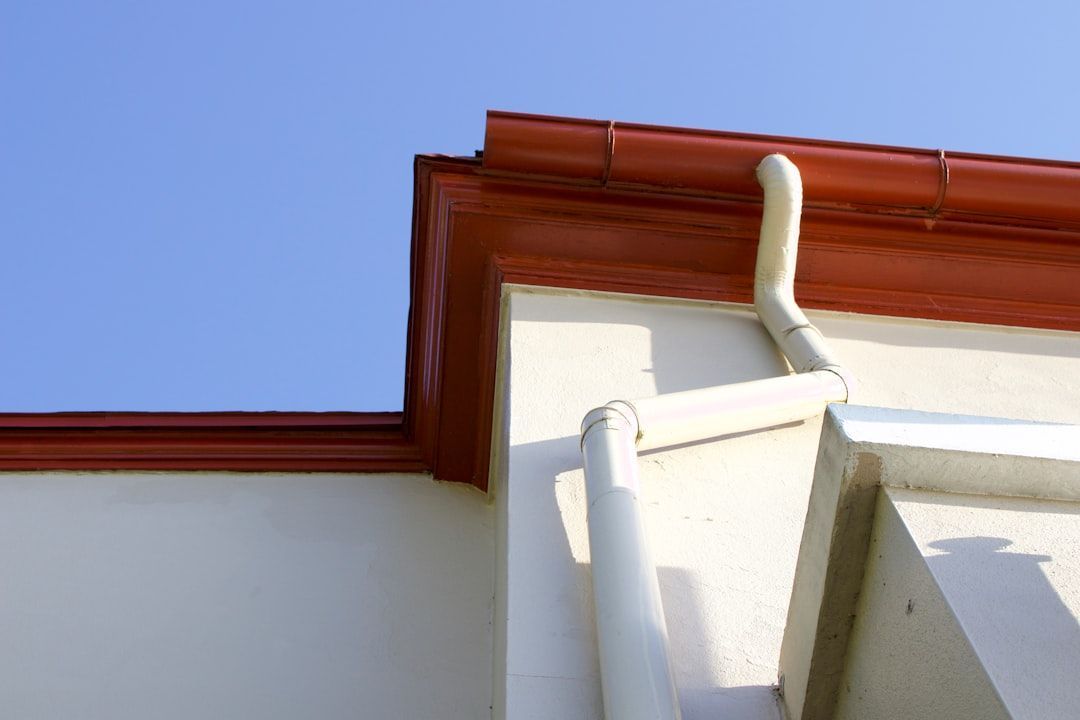
White building corner with red trim and a downspout against a blue sky
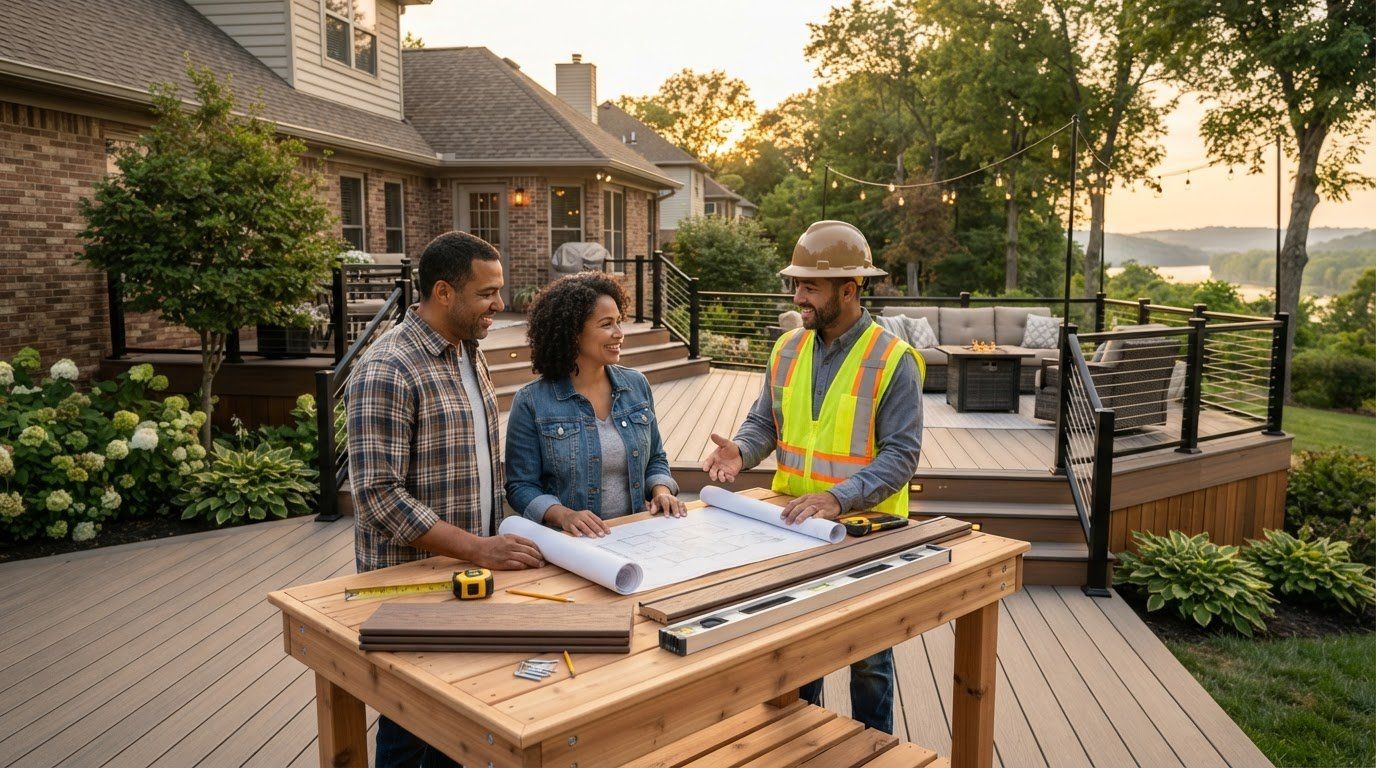
Two people and a contractor reviewing house plans on a deck beside a home at sunset
By Pat McIntyre • September 25, 2026
Looking for trusted deck builders in Louisville, KY? Home Run Improvement builds beautiful custom wood and composite decks. Request your free estimate today.
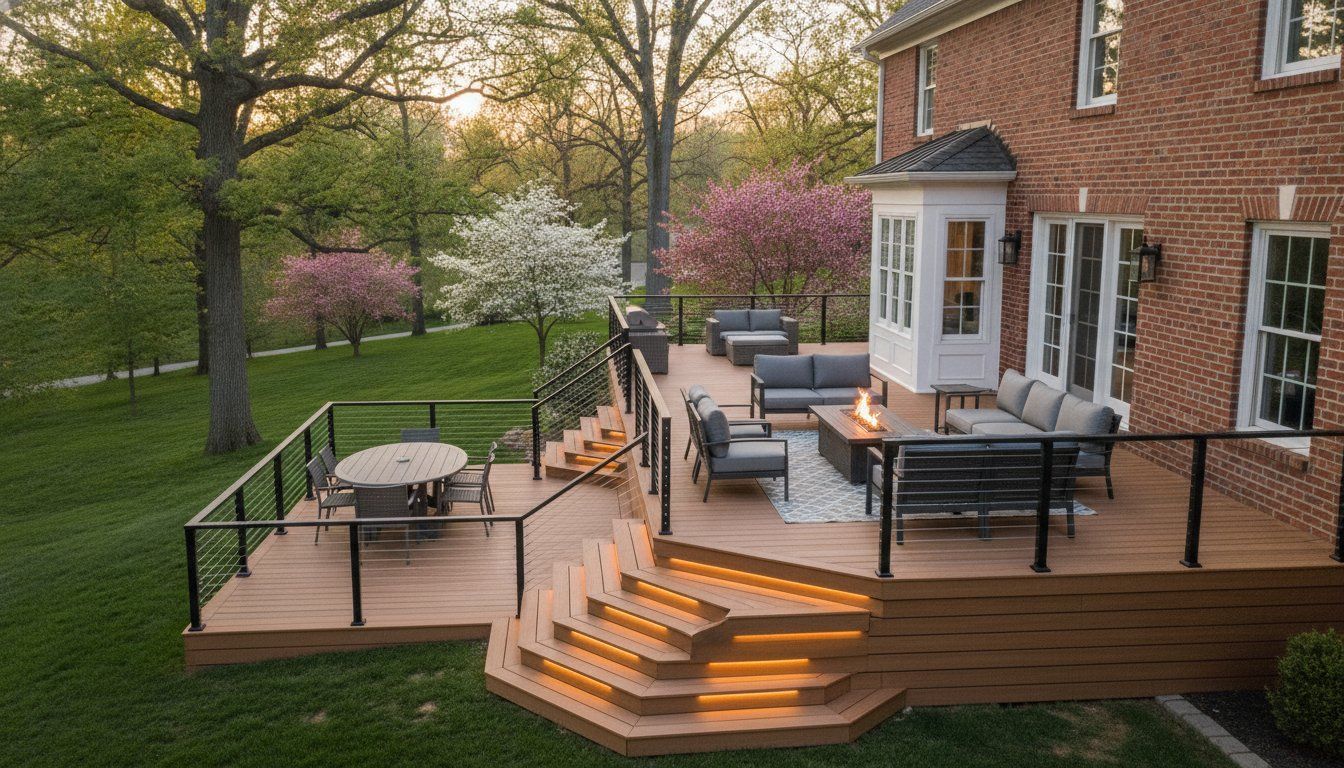
Backyard wooden deck with patio seating, stairs, and brick house at sunset
By Pat McIntyre • September 17, 2026
If your current deck is built with standard lumber, is it truly a long-term asset or just a ticking clock for wood rot? Most Louisville homeowners realize that our local humidity and the 45 to 46 inches of annual precipitation we receive can be devastating to traditional wood structures. You want an outdoor space that matches the architectural dignity of a home in Anchorage or Prospect, but you don't want to spend every spring scrubbing away mold. When you choose a professional custom deck design Louisville project, you aren't just buying boards; you are investing in a calculated defense against the Kentucky climate. This article will show you how to blend local aesthetics with high-performance materials like TimberTech Advanced PVC to ensure your investment remains structurally sound. If you prioritize durability, then understanding the difference between composite and PVC is essential for beating our 20 to 30 annual freeze-thaw cycles. We will preview the design-to-build process, from navigating Louisville Metro building permit requirements to selecting hidden-fastener systems like CONCEALoc. You will discover how to transform a difficult sloped lot into a multi-level sanctuary that increases your home value while minimizing your maintenance checklist. Key Takeaways Learn how to adapt your deck's footprint to the unique terrains and architectural guidelines of Louisville neighborhoods like Prospect and the Highlands. Discover why an expert custom deck design Louisville plan prioritizes TimberTech Advanced PVC to withstand Kentucky's intense humidity and frequent freeze-thaw cycles. Identify the technical details, such as joist flashing tape and hidden fasteners, that prevent moisture penetration and protect your home's structural integrity. Understand the critical Louisville Metro building permit codes regarding ledger board attachments and frost-depth footings to avoid costly inspection failures. See how the transition from initial vision to detailed 3D rendering ensures your custom outdoor space adds maximum long-term resale value to your property. The Fundamentals of Custom Deck Design in Louisville A high-quality custom deck design Louisville goes far beyond a basic 12x12 square attached to the back of a house. In neighborhoods like Anchorage or Indian Hills, your home's exterior architecture requires a structure that feels like a natural extension rather than a cheap afterthought. When you invest in a residential outdoor deck , you must account for local environmental stressors that compromise structural integrity over time. A design that ignores these factors isn't just an eyesore; it's a liability. To better understand how creative layouts can transform your backyard, watch this helpful video: https://www.youtube.com/watch?v=N6NHJTrk4qE Assessing Your Louisville Property Jefferson County properties present unique topographical challenges that demand precision. If your home sits on a sloped lot in Prospect or Glenview , a standard build won't work. We evaluate soil stability and calculate the exact height needed to match your interior floor levels for a seamless transition. We also analyze sun exposure patterns. This determines if you need integrated shade structures or specific materials that resist heat absorption during Kentucky's sweltering July afternoons. The Design-Build Philosophy Professional planning is your primary defense against structural failure. The precision of a custom deck design Louisville requires strict adherence to the Kentucky Residential Code. For instance, ledger boards cannot be attached directly through brick veneer. This is a common mistake made by inexperienced crews that leads to catastrophic collapse. We design freestanding structures when necessary to ensure your home's facade remains intact and your family stays safe. When you choose Home Run Improvement, you're choosing a partner who prioritizes long-term stability over quick fixes. Our process involves: Ensuring every concrete footing reaches the mandatory 24 to 30-inch depth to prevent frost heave. Utilizing 3D rendering to balance your aesthetic goals with functional requirements. Integrating our 10-year craftsmanship warranty into the project plan. This organized approach eliminates the typical anxieties of home improvement. If you value accountability, then a structured design-build process is the only way to protect your property and your peace of mind. Design Examples for Louisville Neighborhoods Louisville's diverse architecture means a deck that works for a ranch in Anchorage won't fit a multi-story home in Prospect . A successful custom deck design Louisville project isn't just about the boards; it's about how the structure interacts with your home's unique footprint. For properties in Prospect and Glenview, the multi-level walkout is often the most logical solution. These designs turn steep, unusable slopes into tiered living zones. By utilizing under-deck drainage systems, you can create a dry, finished patio on the ground level, essentially doubling your outdoor square footage. In Anchorage, where ranch-style homes are common, a modern minimalist approach with sleek, horizontal lines maintains the home's low profile. Conversely, traditional estates benefit from the wraparound classic. This style enhances curb appeal and provides multiple vantage points of the property. For those battling Kentucky's notorious mosquito season, a screened-in hybrid combines an open-air deck for grilling with a protected area for dining. If you're ready to see how these styles translate to your specific property, you can reach out to our team for a design consultation . Designing for Multi-Story Homes Safety and structural integrity are non-negotiable for high-elevation decks. If you're building a multi-story structure, then TimberTech Advanced PVC is the superior choice for durability. It doesn't splinter or rot like natural lumber. While traditional wood remains an option, homeowners often struggle with maintenance. Even the USDA Forest Service guidance on wood finishes highlights how severe weathering stress can degrade natural materials without constant care. High-elevation stairs should flow naturally with the landscape, using broad landings to break up long climbs and improve accessibility. Small Space Solutions Urban townhomes in areas like the Highlands or St. Matthews require a different strategy. When space is limited, you must prioritize utility. Vertical design elements, such as privacy screens or tall planters, help block the view from neighboring properties without making the area feel boxed in. Selecting light-colored decking boards, such as soft grays or tans, reflects more light and makes small footprints feel expansive. We take personal responsibility for every detail, ensuring your custom deck design Louisville delivers big results even on a small lot. Material Selection: Beating the Kentucky Climate Louisville's climate is notoriously hard on exterior structures. With an average of 45 to 46 inches of annual precipitation and summer humidity levels frequently exceeding 80%, traditional pressure-treated wood often fails prematurely. If you choose a custom deck design Louisville project based purely on initial cost, you might find yourself paying for structural repairs within five years. Wood naturally absorbs moisture, leading to the inevitable "checking" and warping caused by our 20 to 30 annual freeze-thaw cycles. In contrast, TimberTech Advanced PVC is engineered to withstand temperature swings ranging from 20°F to 170°F. This resilience ensures your boards won't buckle when the January frost gives way to a humid July heatwave. The "Barefoot Friendly" technology in Advanced PVC is a significant advantage for Kentucky families. Older synthetic boards traditionally became too hot to touch, but modern engineering allows for superior heat dissipation. While high-performance PVC requires a larger upfront investment than southern yellow pine, the long-term savings are undeniable. When you factor in the cost of professional staining every two years and the eventual replacement of rotted boards, PVC often becomes the more economical choice over a 20-year period. We prioritize these materials because we believe in building structures that last as long as the homes they support. The Science of Moisture Resistance Advanced PVC is entirely synthetic, meaning it provides zero organic food source for mold, rot, or mildew. This is critical in Louisville's damp environment where organic matter thrives. While the surface boards are protected, we recommend using kiln-dried lumber for the sub-structure to minimize post-installation shrinking and movement. Just as proper attic ventilation prevents moisture buildup under a roof, your deck needs adequate airflow beneath the joists to prevent stagnant water from compromising the frame over time. Low-Maintenance Luxury When you choose a high-performance deck, you eliminate the grueling cycle of annual power washing, sanding, and staining. Maintenance is reduced to a simple rinse with soap and water to remove seasonal pollen or dirt. Pairing your new deck with high-quality vinyl siding creates a cohesive, maintenance-free exterior that looks pristine for decades. This integrity-driven approach to material selection protects your time and your investment. It allows you to actually enjoy your outdoor space rather than spending your weekends maintaining it. Functional Features That Elevate Your Design A superior custom deck design Louisville project is defined by the details you cannot see just as much as the ones you can. While the surface boards provide the aesthetic, the fastening system and sub-structure protection determine how long that beauty lasts. We utilize TimberTech Hidden Fasteners to achieve a clean, screw-free surface. This eliminates the "mushrooming" effect often seen around traditional screw holes and prevents moisture from entering the board core. It also creates a safer walking surface for children and pets, removing the risk of snagged clothing or scratched feet. When you choose professional-grade fasteners, you're choosing a finish that remains pristine for decades. Lighting is another critical element that transforms a platform into a destination. Integrated LED lighting in stair risers, post caps, and under-rail sections provides essential safety while creating a sophisticated evening ambiance. These systems are low-voltage and weather-resistant, ensuring they stand up to Jefferson County's seasonal shifts. To complete the look, we offer custom railing systems in aluminum, glass, or composite. Aluminum provides a sleek, low-profile view, while glass is ideal for homes in Prospect that overlook wooded lots or rolling hills. Structural Longevity Professional builders consider joist tape the "secret weapon" for long-term stability. TimberTech ProTac Joist Tape acts as a waterproof barrier on top of your treated lumber joists. It prevents water from pooling in the small gaps between the board and the frame, which is the primary cause of sub-structure rot. If you ignore this step, you're leaving your deck's foundation vulnerable to Kentucky's relentless humidity. We also maintain strict joist spacing, typically 12 to 16 inches on center. Following TimberTech’s technical spacing guides ensures a rigid, high-end feel underfoot. We also install solid blocking edge-to-edge every 4 to 6 feet to keep joists from twisting over time. Outdoor Living Amenities Your deck should function as a true outdoor living room. We can design built-in seating and planters that maximize your floor plan and provide permanent utility. If you plan on adding heavy features like a hot tub or a large fire table, we must engineer the frame for those specific loads during the initial custom deck design Louisville phase. For multi-story designs, we often integrate seamless gutters to manage second-story drainage. This keeps the area below dry and usable for a secondary patio or storage space. These calculated additions ensure your deck is as functional as it is beautiful. Schedule your custom deck design consultation today. Starting Your Custom Deck Project in Louisville Initiating a custom deck design Louisville project requires moving from initial inspiration to a concrete, permitted plan. We start with a free estimate to establish your project's scope, budget, and functional needs. Our consultation process then transforms your vision into a detailed 3D rendering. This isn't just a visual aid; it's a technical blueprint that ensures every structural detail, from joist spacing to staircase flow, meets our rigorous standards. This rendering allows you to experiment with board orientations and railing styles, ensuring the final result complements your home’s existing siding or roofing. If you can see the finished product before the first board is cut, then you eliminate the uncertainty that often plagues home renovations. Navigating the Louisville Metro Office of Construction Review is a mandatory part of the process. Every deck attached to a single-family dwelling in Jefferson County requires a building permit. We handle the technical documentation, ensuring your project adheres to the Kentucky Residential Code. This includes coordinating with Kentucky 811 at least two business days before excavation begins to locate underground utilities. Our team ensures footings extend the mandatory 24 to 30 inches into undisturbed soil to prevent frost heave during our erratic Kentucky winters. We take personal responsibility for these administrative hurdles so you don't have to. Finding the Right Contractor Working with a local, owner-operated team ensures accountability that national franchises simply cannot match. When you choose a contractor, verify their local reputation by checking Google Reviews for recent Louisville projects. Ask direct questions about their craftsmanship standards and how they handle unforeseen site conditions. A "Protective Expert" doesn't just sell you a deck; they shield you from the risks of poor workmanship and subpar materials. Our 10-year craftsmanship warranty is a testament to this commitment, providing you with long-term stability and peace of mind. Timeline and Preparation The construction phase typically follows a methodical sequence: site preparation, footing excavation, framing, and finally, the installation of your chosen TimberTech surfaces. You should prepare your yard by clearing the immediate construction zone and ensuring pet access is restricted during work hours. Contact Home Run Improvement early to secure your spot on our seasonal calendar, as high-demand months fill up quickly. Our process concludes with a final walkthrough to ensure every detail matches the custom deck design Louisville plan, followed by the activation of your warranty. This structured approach ensures your project is completed with precision and professional integrity. Transform Your Louisville Backyard Into a Lasting Asset Building an outdoor space in Kentucky requires more than just an eye for aesthetics; it demands a technical understanding of our local climate. You've learned that a successful custom deck design Louisville project balances neighborhood-specific architecture with the moisture-resistant science of TimberTech Advanced PVC. By prioritizing structural details like joist tape and hidden fasteners, you protect your sub-structure from the rot that claims so many traditional wood decks in Jefferson County. When you choose a locally owned and operated team that follows Louisville Metro building codes, you aren't just hiring a crew; you're partnering with specialists who treat your property with professional integrity. Our status as TimberTech Advanced PVC specialists means your project benefits from the highest industry standards. We back every build with a 10-year craftsmanship warranty because we believe in the stability of our work. If you're ready to move from a 3D rendering to a completed multi-level sanctuary, then taking the first step is simple. Secure your seasonal start date and ensure your home investment remains a source of pride for decades to come. Get Your Free Custom Deck Estimate in Louisville We look forward to helping you build a beautiful, low-maintenance retreat that your family will enjoy for years. Frequently Asked Questions How much does a custom deck design in Louisville typically cost? A custom deck design Louisville project cost varies based on square footage, elevation, and your choice of materials. While traditional wood has a lower initial price, high-performance options like TimberTech Advanced PVC offer superior long-term value by eliminating maintenance costs. Factors such as sloped lots in the Highlands or multi-tier designs in Prospect also influence the total investment. We provide project-based pricing after a detailed consultation and 3D rendering of your specific vision. Do I need a permit for a deck replacement in Jefferson County? Yes, a building permit through the Louisville Metro Office of Construction Review is mandatory for any deck attached to a single-family home. Even for freestanding structures, you'll need a permit if the deck exceeds 200 square feet or sits more than 30 inches above the grade. We manage the entire permitting process to ensure your build complies with the Kentucky Residential Code, including mandatory frost-depth footings and guardrail specifications. Is TimberTech Advanced PVC better than wood for Kentucky weather? TimberTech Advanced PVC is significantly more resilient than wood in the humid Kentucky climate. Our region experiences roughly 45 inches of annual precipitation, which causes natural lumber to rot, warp, and splinter over time. PVC is 100% synthetic and engineered to withstand temperature swings from 20°F to 170°F. It provides a "barefoot friendly" surface that dissipates heat better than older composite or wood alternatives during our sweltering Louisville summers. What is the best time of year to build a deck in Louisville? While decks can be built year-round in Louisville, late autumn and winter are often the most strategic times for scheduling. Building during the off-season ensures your outdoor space is ready for use by the first warm days of spring. Our crews can install TimberTech products in temperatures as low as 20°F. If you lock in your project date early, then you avoid the peak-season backlog that typically occurs during the spring rush. How long does the 10-year craftsmanship warranty last and what does it cover? Our 10-year craftsmanship warranty covers the structural integrity of the installation itself for a full decade. If an issue arises due to installation errors or a failure to follow manufacturer specifications, we take personal responsibility for the repair. This warranty acts as a security measure for your investment, ensuring that your custom deck design Louisville project remains stable. It complements the separate, long-term material warranties provided by TimberTech for your peace of mind. Can I install a custom deck over my existing concrete patio? You can install a custom deck over an existing concrete patio, provided the concrete is stable and properly sloped for drainage. This usually involves a "sleeper system" or low-profile framing that allows for adequate airflow beneath the deck boards. We must evaluate the condition of your concrete during the initial consultation to ensure it can support the weight of a new structure. If the concrete is failing, we may recommend a new foundation. How do I choose between composite and PVC decking materials? Choosing between composite and PVC usually depends on your budget and your tolerance for maintenance. Composite decking contains wood fibers, which makes it feel like natural lumber but leaves it slightly more vulnerable to moisture. TimberTech Advanced PVC is entirely synthetic and offers the highest level of resistance to mold and mildew. If your property has high moisture or low airflow, then PVC is the superior choice for long-term durability in Louisville. What maintenance is required for a TimberTech deck in Louisville? Maintenance for a TimberTech deck is minimal, requiring only periodic cleaning with mild soap and water. Unlike wood, these materials never require sanding, staining, or sealing to maintain their appearance. We recommend a seasonal rinse to remove pollen, leaves, or dirt that can accumulate in Jefferson County. Using a soft-bristle brush helps keep the wood-grain texture looking new without damaging the protective cap. This ensures your deck remains a low-maintenance luxury.
By Pat McIntyre • September 15, 2026
For a Louisville homeowner, a new deck is more than just a home improvement project; it’s an investment in your lifestyle. It’s the future site of family barbecues, quiet morning coffees, and relaxing evenings under the Kentucky sky. But before the first board is laid, a critical decision must be made: will you choose the timeless appeal of a natural wood deck or the modern resilience of composite decking? This choice often comes down to one primary factor: cost. However, a simple price tag comparison doesn’t tell the whole story. The true composite decking vs. wood cost in Louisville is a calculation that extends far beyond the initial quote. It involves understanding upfront material and labor expenses, the long-term financial commitment of maintenance, and the overall return on your investment over the life of the deck. At Home Run Improvement, we believe an informed homeowner makes the best decision for their property. We’ve spent years building and installing high-quality decks across Louisville and Southern Indiana, and we’ve seen firsthand how material choices impact a family’s budget and free time. This comprehensive guide is designed to break down the real costs, both immediate and hidden, to help you choose the perfect decking material for your home. The Upfront Investment: A Head-to-Head Cost Analysis When you receive a quote for a new deck, the total price is a combination of materials, labor, and foundational work. Let’s dissect these initial costs to understand where wood and composite decking stand in the Louisville market. Wood Decking Material Costs: The Traditional Options Natural wood offers a classic aesthetic that many homeowners love. The upfront cost varies significantly based on the type of wood you select. Pressure-Treated (PT) Pine: This is the most common and budget-friendly decking material. It’s pine lumber that has been chemically treated to resist rot, decay, and insects. While it has the lowest initial cost, it also requires the most diligent maintenance to preserve its integrity and appearance. Cedar and Redwood: These softwoods are a step up in both price and natural durability. They contain natural oils (tannins) that make them more resistant to rot and insects than untreated pine. They offer a beautiful, rich color but will still require regular sealing to prevent them from weathering to a silver-gray. Exotic Hardwoods (Ipe, Tigerwood): At the premium end of the wood spectrum, exotic hardwoods like Ipe are incredibly dense, durable, and naturally resistant to almost everything. Their exceptional longevity and stunning appearance come with the highest price tag for natural wood materials. TimberTech Composite Decking Costs: The Modern Standard Composite decking, led by industry innovators like TimberTech, represents a significant evolution in outdoor living materials. It is an engineered product made from a blend of wood fibers and recycled plastics, capped with a durable polymer shell for protection. It’s important to note that "composite" isn't a single product. TimberTech offers a range of product lines, allowing homeowners to balance their budget with performance and aesthetic goals: TimberTech EDGE™: This line offers an accessible entry point into high-performance composite decking, providing superior durability compared to wood at a more competitive price point. TimberTech PRO™: The "better" category features enhanced wood grain textures and color blending, backed by a 30-year warranty, offering a fantastic balance of beauty and performance. TimberTech AZEK™: This premium line is not a composite but a 100% polymer (PVC) decking. It offers the highest level of performance, stain resistance, and scratch resistance, often backed by a 50-year or lifetime warranty. Generally, even entry-level TimberTech decking will have a higher upfront material cost than pressure-treated pine and cedar. However, its price is often competitive with premium exotic hardwoods. Labor and Installation: The Cost of Craftsmanship Whether you choose wood or composite, the quality of the installation is paramount. Labor costs in the Louisville area depend on the deck's size, complexity (e.g., multiple levels, stairs, built-in benches), and the contractor's experience. While it may be tempting to cut costs with a less experienced installer, this often leads to expensive problems down the road. A professional installation by a team like Home Run Improvement ensures that the deck is not only beautiful but also structurally sound and compliant with local building codes. For composite decking, expert installation is even more critical. These materials have specific requirements for gapping and fastening to allow for thermal expansion and contraction. Improper installation can void the manufacturer's warranty, turning a premium investment into a liability. This is why our work is backed by our own 10-Year Craftsmanship Warranty , giving you peace of mind that the job is done right. The Initial Cost Verdict For the lowest upfront cost, pressure-treated wood is the clear winner. However, if you are considering premium cedar or exotic hardwoods, the initial material cost begins to approach that of high-quality composite decking like TimberTech. But as we will explore, the initial price tag is just the first chapter in the story of your deck's total cost. The Long-Term Cost of Ownership: Where the Real Value Is Revealed A deck is not a one-time purchase; it’s a long-term asset that requires care. This is where the financial gap between wood and composite decking dramatically shifts. The "Protective Expert" in us must advise you to look beyond the initial quote and consider the lifetime cost of your investment. The Ongoing Demands of a Wood Deck A wood deck is a commitment. To protect it from Louisville’s humid summers and freezing winters, you must perform regular, often costly, maintenance. Without it, wood will inevitably splinter, warp, rot, and fade. The Annual Maintenance Cycle for Wood: Thorough Cleaning: At least once a year, the deck must be cleared and scrubbed to remove dirt, mildew, and algae. This often requires a pressure washer, which can damage the wood if not used correctly. Sanding: To prepare the surface for a new coat of sealant and to smooth out any minor splinters, the deck may need to be sanded every few years. Staining and Sealing: This is the most critical step. Every 1-3 years, the deck must be re-stained and re-sealed to protect it from UV rays and moisture. Calculating the Financial and Time Cost: Materials: A 5-gallon bucket of quality deck stain and sealer can cost hundreds of dollars. Add in cleaners, brushes, rollers, and tarps, and the annual material cost can easily be $200-$500 or more, depending on your deck's size. Labor: You can either do it yourself, sacrificing several weekends of your valuable time, or hire a professional, which can cost $500-$1,500+ for each maintenance cycle. Over a 15-year period, these maintenance costs can add up to thousands, or even tens of thousands, of dollars. This ongoing expense completely changes the composite decking vs wood cost Louisville equation. The "Set It and Forget It" Advantage of TimberTech This is where composite decking truly shines. TimberTech was engineered to eliminate the costly and time-consuming maintenance associated with wood. The durable polymer cap that protects the board resists fading, staining, moisture, and mildew. Maintenance for TimberTech is simple: An occasional cleaning with soap and water or a gentle deck cleaner is all that’s needed to keep it looking new. There is no sanding. No staining. No sealing. Ever. When you compare the long-term costs, the higher initial investment in TimberTech is often recouped in just a few years. The money you save on stains, sealers, and labor—not to mention the weekends you get back—makes it the more economical choice over the life of the deck. Beyond Cost: A Deeper Comparison of Performance and Livability While cost is a major driver, the best deck for your home also depends on durability, aesthetics, and safety. Here’s how the two materials stack up in the areas that impact your daily enjoyment. Durability and Lifespan in the Ohio Valley Climate Louisville's weather can be tough on outdoor structures. The high humidity, seasonal rainfall, and temperature swings are a constant threat to traditional wood. Wood: Even with perfect maintenance, a pressure-treated pine deck typically lasts 10-15 years before major repairs or replacement are needed. Cedar may last 20-25 years. Wood is susceptible to rot, insect damage (especially termites), and warping as it absorbs and releases moisture. TimberTech: Built to withstand the elements, TimberTech decking is exceptionally durable. It resists moisture absorption, meaning it won't rot, warp, or crack like wood. As detailed in their technical guides, TimberTech Advanced PVC decking has a service temperature range of –70°F to 200°F, making it stable in both deep freezes and summer heat. This resilience is why TimberTech backs its products with industry-leading warranties, often ranging from 25 years to a lifetime. Aesthetics and Design Freedom Your deck should be a beautiful extension of your home. Both materials offer distinct visual appeals. Wood: Offers an authentic, natural beauty that is undeniable. It can be stained in a variety of colors to match your home. However, maintaining that color requires constant work. Left untreated, all wood will eventually fade to a weathered gray. TimberTech: Modern manufacturing allows TimberTech to offer a vast array of colors and realistic wood grain patterns that mimic the look of high-end hardwoods without the upkeep. The color is consistent and protected by UV inhibitors to resist fading. Furthermore, systems like TimberTech's CONCEALoc® and Cortex® hidden fasteners create a smooth, fastener-free surface that is impossible to achieve with traditional face-screwed wood boards. Safety and Comfort for Your Family A deck is a place for family, which makes safety a top priority. Wood: The biggest safety concern with wood is splintering. As the wood ages and weathers, it can create painful splinters, making it less friendly for bare feet, children, and pets. Wood can also become very slippery when wet or when algae and mildew are present. TimberTech: Because it’s a composite material with a protective cap, TimberTech will never splinter. It is designed for better slip resistance than wood, providing more secure footing in wet conditions. Environmental Considerations For environmentally-conscious homeowners, the choice is more nuanced than it first appears. Wood: As a natural resource, wood is renewable. To ensure responsible sourcing, you can look for lumber certified by the Forest Stewardship Council (FSC) . However, the pressure-treating process involves chemicals, and the stains and sealers required for maintenance often contain volatile organic compounds (VOCs). TimberTech: As a brand of The AZEK Company, TimberTech has a strong focus on sustainability. Their decking is made from a high percentage of recycled materials, including plastic bags, milk jugs, and reclaimed wood fibers, diverting hundreds of millions of pounds of waste from landfills each year. You can learn more about their recycling initiatives on the AZEK website . This commitment to using recycled content makes it a highly sustainable choice. The Foundation of a Great Deck: Why Professional Installation is Non-Negotiable Regardless of which surface material you choose, it will be supported by a substructure, which is almost always built from pressure-treated wood. The performance and longevity of your entire deck—wood or composite—depend entirely on the quality of this hidden foundation. Building a Resilient Substructure A poorly constructed frame will undermine even the most expensive decking materials. At Home Run Improvement, we build every deck substructure to exceed standards, ensuring it can provide decades of reliable support. We follow manufacturer best practices, such as those outlined by TimberTech, which are critical for performance: Proper Joist Spacing: We ensure joists never exceed 16 inches on center to provide a solid, rigid feel underfoot and prevent board sagging. Essential Blocking: We install blocking between joists every 4-6 feet to prevent them from twisting and to strengthen the overall frame. Joist Protection: We strongly recommend using products like TimberTech Pro™ Tac Joist Tape . This self-adhering tape is applied to the tops of joists and beams, creating a waterproof barrier that protects the structural lumber from moisture penetration—the primary cause of rot. This small addition can significantly extend the life of your deck's foundation. This meticulous approach to the substructure is a hallmark of a true expert TimberTech deck builder and ensures your investment is protected from the ground up. The Final Verdict: What’s the Right Choice for Your Louisville Home? So, when evaluating the composite decking vs. wood cost in Louisville , what is the final answer? Choose a Wood Deck if: Your primary concern is the lowest possible upfront cost. You genuinely enjoy the process of annual maintenance projects and have the time and budget for them. You are committed to the authentic look and feel of natural wood and accept the upkeep it requires. Choose a TimberTech Composite Deck if: You prioritize long-term value and a lower total cost of ownership over the deck's life. You want to spend your free time enjoying your deck, not maintaining it. You value superior durability, fade and stain resistance, and splinter-free safety for your family. You desire a premium, polished aesthetic with a wide range of design options. For the vast majority of Louisville homeowners we work with, the long-term benefits, minimal maintenance, and enduring beauty of TimberTech composite decking make it the clear winning investment. The initial cost is higher, but the peace of mind and decades of worry-free enjoyment provide a return that far exceeds the price difference. Ready to explore the possibilities for your own backyard oasis? The team at Home Run Improvement is here to help. We can provide a detailed, no-obligation estimate that breaks down the costs for different material options and helps you design the deck of your dreams. Contact us today to schedule your free consultation and take the first step toward transforming your outdoor living space.