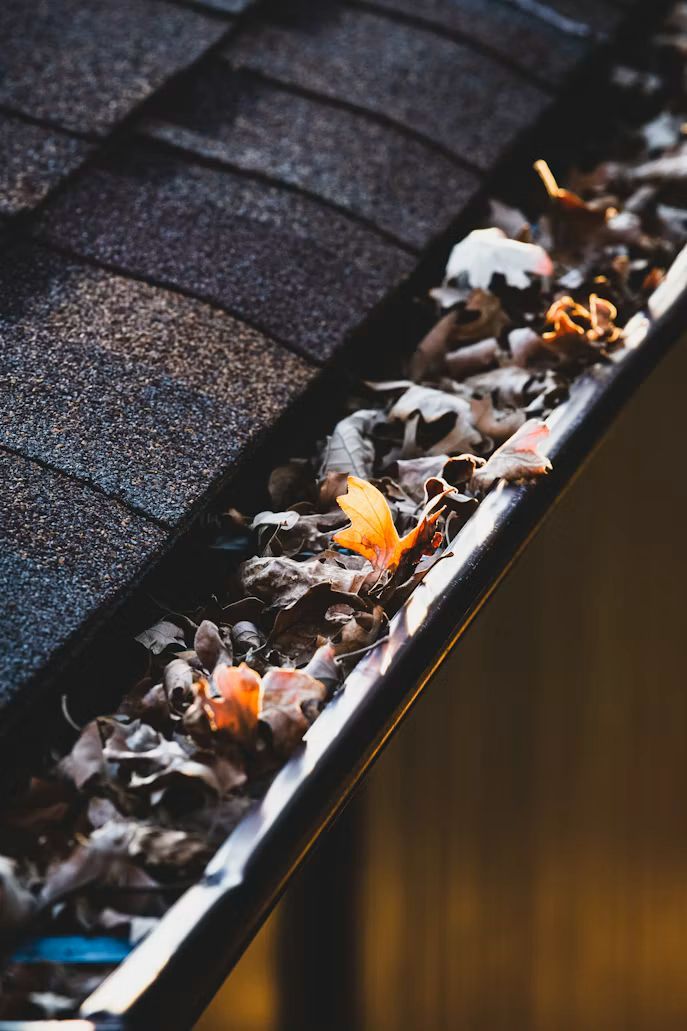
Clogged Gutters Repair Done Right Before Water Damage Spreads
Your gutters are doing a quiet, thankless job every time it rains, and when they fail, the consequences spread fast. A 2025 survey found that 4 in 10 homeowners have experienced damage to their home from clogged or poorly maintained gutters. That number is alarming, especially when you consider what is actually at stake: foundation cracks, basement flooding, rotted fascia boards, and mold that silently spreads inside your walls.
The good news is that most clogged gutters repair situations are entirely preventable, and even when damage has already started, catching it early keeps the bill manageable. This guide walks you through every stage: how to spot trouble before it worsens, what your repair options actually cost, when to do it yourself, and when to call a professional before the damage spreads any further.
Key Takeaways
- Act before the rain does: A 2025 survey found that 4 in 10 gutters only once or twice a year, while 27% wait until a problem arises, by which point water damage is often already underway. Schedule cleanings in spring and fall, minimum.
- The downstream costs are brutal: Foundation repairs are among the most costly home repairs. Homeowners can spend anywhere from $5,000 to $25,000 or more addressing damage that started with clogged gutters. A $150 cleaning call stops a $15,000 repair bill.
- Gutter repair itself is affordable, if caught early: Gutter repair costs range from $195 to $625, with most homeowners paying around $385 on average. Delay it, and section replacement or full reinstallation drives that number up sharply.
- Foundation damage is often not covered by insurance: Foundation issues can create major structural problems for your home, and this type of damage is not covered under most homeowners insurance policies. That makes prevention a financial necessity, not just good housekeeping.
- DIY works for single-story clogs; call a pro for two-story homes or visible structural damage. If any part of the job requires a second-story ladder position, the money saved has to be weighed against a genuinely serious injury risk.
Start here if you're:
- A first-time homeowner: Begin with a thorough visual inspection from the ground. Look for sagging sections, water stains on siding, and soil erosion below the roofline.
- DIY-comfortable on a single-story home: Tackle debris removal, resealing joints, and downspout flushing yourself. Budget $20-$50 in supplies.
- Dealing with recurring or complex damage: Contact a trusted exterior specialist like Home Run Improvement to assess the full system and catch anything a visual inspection might miss.
Why Clogged Gutters Are More Dangerous Than They Look
Most homeowners spot a clogged gutter and think: leaves, ladder, done. The real problem is what happens in the hours and days after a heavy rain when those gutters are blocked and water has nowhere to go.
The Chain Reaction From Roof to Foundation
When your gutters become clogged water is unable to properly divert away from your home. Clogged gutters lead to overflow and pooling of water around your foundation. This saturates the soil and allows moisture to seep inside the cracks, which causes basement flooding.
Excess water saturates the soil creating hydrostatic pressure against your foundation walls. This pressure can cause cracks, leaks, or even bowing walls in basements and crawl spaces. That is not just a cosmetic problem, bowing foundation walls are a structural emergency.
In my experience walking through damaged homes, the telltale sign is almost always the same: water stains creeping down interior basement walls, directly below a roofline where gutters were blocked for one or two full seasons.
Fascia Rot: The Hidden Multiplier
Your gutters are held to your home by wooden boards known as fascia boards. If your gutters become clogged, the water can overspill and rot the fascia. If neglected, your entire gutter system could collapse. Replacing rotted fascia adds several hundred dollars to what could have been a routine cleaning.
Ice Dams in Winter
Blocked gutters can lead to the formation of ice dams. Water that collects in congested gutters can freeze in winter. Ice dams in your gutters and along the underside of your roof prevent rainwater and melted snow from passing through, leaving it to soak into and damage your home.
Pro Tip: After any significant storm, do a quick walk around your home's perimeter. Look up at the gutter line. If you see water stains on your siding or soil erosion directly below the roofline, you have an active overflow problem, and it needs addressing within days, not months.
Warning Signs Your Gutters Need Repair Now
Catching the signs early is what separates a $200 repair from a $10,000 foundation restoration. I've found that most homeowners ignore the early signals because they seem minor, right up until they aren't.
Visual Signs from the Ground
- Water stains running vertically down exterior siding
- Visible plant or weed growth sprouting from the gutter channel
- Gutters visibly pulling away from the fascia or sagging in sections
- Soil erosion or bare patches directly below the roofline
- Water stains on your home's exterior walls, especially near the gutters and downspouts, often indicate that water is overflowing regularly
Signs Around the Foundation
- Pooling water within a few feet of the house after rain
- Damp or musty smell in the basement
- Bowing or leaning walls and wet stains on your basement walls can also be signs of water damage caused by clogged or damaged gutters
- Visible cracks along the base of exterior walls
Signs on the Roof
- Blocked gutters can cause water to back up, which can damage roofing shingles and lead to leaks
- Dark staining or moss growth along the lower edge of the roof
- Water dripping from the roofline during rain even when gutters appear intact
How to Repair Clogged Gutters: Step-by-Step
Step 1, Safety Setup First
Before you climb anything, set your ladder on firm, level ground. Use a ladder standoff (stabilizer) if you'll be working at the gutter line repeatedly; it braces against the roof or wall instead of the gutter. Wear thick rubber gloves and eye protection, gutter debris is sharp-edged and carries bacteria from decomposing leaves and bird waste.
Step 2, Remove Debris from the Trough
Remove debris from the gutter troughs by hand. Be thorough but gentle to avoid damaging the gutters. Work in sections, placing loose debris into a bucket rather than knocking it down to the ground (it can block drainage at the foundation level). A plastic scoop or purpose-made gutter scoop works better than bare hands.
Step 3, Flush and Test Flow
Once debris is removed, use a garden hose to flush out the downspout. Attach the hose to the top of the downspout and turn the water on full blast. Watch where the water exits. If it flows freely from the downspout base, you are clear. If it backs up, the blockage is deeper in the downspout itself.
Step 4, Clear a Stubborn Downspout Clog
If water flushing does not work use a plumber's snake to break through the clog. Insert it into the downspout and twist it to break up the blockage. For a packed, compacted clog, a wet/dry shop vacuum in suction mode can pull debris out from the bottom opening.
Step 5, Inspect and Seal Joints
After flushing, run the hose again while watching for drips at joints and seams. Sealant degradation over time thermal expansion and contraction, or improper initial installation can cause joint leaks. This is one of the most DIY-friendly repairs. Most homeowners can successfully reseal gutter joints with the right materials and technique. Use gutter-rated butyl or polyurethane sealant, avoid standard silicone, which does not bond well to metal gutters.
Step 6, Confirm Downspout Discharge Distance
Ensure downspouts direct water 5 to 10 feet from the foundation. A $20 downspout extension is one of the highest-ROI home maintenance purchases available. If your downspout currently dumps water 12 inches from the house, that small fix could prevent thousands in foundation damage over a few rainy seasons.
Pro Tip: After completing your repair, run a bucket of water through the gutter system during dry weather. Watch the entire channel from start to finish. Any drip points, pooling sections, or slow-draining areas reveal problems you cannot see when the weather is pushing real volume through the system.
What Clogged Gutters Repair Costs: A Realistic Breakdown
Understanding the cost range before you call anyone puts you in a much stronger position. Here is what the data actually shows.
Basic Gutter Cleaning and Repair Costs
Gutter repair costs can range from $195 to $625, with most homeowners paying around $385 on average. The specific type of damage drives the number up or down significantly:
- Minor leak or joint reseal: $75 to $175
- Sagging gutter section (rehang): $75 to $300
- Leak repairs typically run $120 to $230
- Vinyl gutters are budget-friendly and lightweight, with repairs typically costing $75 to $200
- Aluminum gutters are durable and rust-resistant, with repair costs between $100 and $300
What Happens If You Delay
Water damage from overflowing gutters can cost an average of $8,000 in foundation and fascia repairs. And that is the average, on the high end, homeowners can expect to pay anywhere from $2,500 to $15,000 for foundation repairs, with extensive structural repairs exceeding $20,000 in some cases.
Bottom line: a $385 gutter repair today is not optional spending. Set against a potential $15,000 foundation bill, it is the most efficient home protection purchase you can make.
Gutter Guard Installation as a Long-Term Fix
For homeowners who are tired of clearing clogs every season, gutter guards eliminate most of the recurring maintenance burden. Gutter guard installation costs $1,521 on average, with most homeowners spending between $653 and $2,459 depending on length and material. Gutter guards are worth it if you have high trees near your home and your gutters frequently collect leaves and debris. They protect your gutter system from damage and reduce the frequency of cleanings, which can save you $120 to $500 per year.
Pro Tip: If you are getting three or more gutter cleanings per year, the math on gutter guards starts to work in your favor within two to three seasons. Ask your contractor about combining guard installation with any pending repair work, many offer a package discount.
DIY vs. Professional Repair: Making the Right Call
When DIY Makes Sense
In my experience, single-story homeowners who are comfortable on a ladder can handle a large majority of routine clogged gutter repair work. Tasks that fall squarely in the DIY column include:
- Removing debris from gutter troughs
- Flushing and clearing downspout clogs
- Resealing leaky joints with gutter-grade sealant
- Patching small holes under an inch in diameter
- Adding or extending downspout discharge pipes
DIY repair means you'll only pay for materials, not labor. You don't need to wait for an appointment. Tasks like cleaning clogs or resealing joints can be relatively straightforward with the right tools.
When to Call a Professional
Homeowners can underestimate the dangers commonly associated with repairing gutters, such as falling off a ladder, running into power lines, feeling queasy while working at a height, or overreaching. Homes with two or more stories make repeated trips up and down ladders risky.
Call a professional without hesitation when you encounter:
- Any gutter work on a two-story or taller home
- Visible fascia rot behind the gutter channel
- Sagging that returns after you have already re-hung a section
- Signs of foundation cracking, bowing walls, or basement moisture
- Small leaks that keep reoccurring after you recaulk, because the underlying cause may be issues with the drip edge
Teams like Home Run Improvement combine gutter assessment with a broader exterior inspection, which means they can flag fascia damage, downspout grade issues, and drainage problems that a homeowner focusing only on the obvious clog might miss entirely.
How Often Should You Clean Gutters?
The standard advice is straightforward, and it comes from both industry professionals and the National Park Service's building maintenance guidelines: inspect frequently, and at a minimum clean gutters at least twice a year, late spring and late fall. This may vary depending upon the number of trees in your yard or next door. The recommended approach is to clean them as often as it takes to keep the gutters clear.
If you have a lot of shedding or mature trees with branches directly over or within ten feet of your home, consider one or two extra yearly cleanings. Homes in storm-prone areas or regions with heavy pine tree coverage may need quarterly attention.
A 2025 survey found that 4 in 10 27% of homeowners wait until a problem arises before cleaning or inspecting. That reactive approach is exactly what turns a $150 cleaning call into an $8,000 repair. Set a calendar reminder each April and October. Your foundation will thank you.
Frequently Asked Questions
What are the most common signs that my gutters are clogged?
The clearest signals are water overflowing over the gutter edge during rain, water stains running down exterior siding, and soil erosion or puddling directly below the roofline. You may also spot slow or silent downspouts, sagging sections, or debris peeking over the gutter edge, as well as water stains, weeds, or an increasing number of ants in certain areas. Any one of these is a reason to inspect immediately.
How much does it cost to repair clogged gutters?
Gutter repair costs range from $195 to $625, with most homeowners paying around $385 on average. Minor tasks like joint resealing can cost under $100 in materials for a confident DIYer, while damaged sections, full replacements, or fascia repairs push the total higher. Getting a professional assessment before assuming the scope of the work is always worthwhile.
Can clogged gutters really damage my foundation?
Yes, and the Erie Insurance damage overview makes this point clearly: pooling water around your foundation can cause erosion which weakens the walls, leading to foundation cracks and settling. Foundation damage is not covered under most homeowners insurance policies. That absence of insurance coverage makes preventive gutter maintenance a direct financial issue, not just a maintenance preference.
Should I install gutter guards to prevent future clogs?
Gutter guards serve as a strategic preventive measure. They are worth it if you value less frequent gutter cleanings, a reduced risk of clogs, and an added layer of home protection from water damage. You should weigh the upfront expense carefully in relation to the challenges posed by your local environment. Homes surrounded by mature deciduous trees see the clearest ROI. Homes with minimal tree coverage may find twice-yearly manual cleaning sufficient.
When is DIY gutter repair safe, and when should I hire a professional?
DIY repair means you'll only pay short-term fix for handy homeowners, but professional repairs often provide more reliable, lasting results, especially when the damage is more than superficial. The clearest rule: single-story home with a stable ladder and a simple clog is a solid DIY job. Two-story home, structural damage, or recurring problems despite repeated repairs, call a professional every time.
The Bottom Line
Clogged gutters repair is one of those home maintenance tasks that rewards speed and penalizes delay. The difference between acting at the first sign of a problem and waiting for something to go obviously wrong can be measured in thousands of dollars. Routine gutter maintenance and early repairs can help prevent expensive issues like foundation damage, overflows, leaks, and premature gutter replacement.
Clean your gutters twice a year, inspect after every major storm, and do not let a recurring clog convince you that a temporary patch is enough. If you are seeing foundation staining, fascia softness, or repeated overflow despite cleaning, reach out to an exterior specialist. Home Run Improvement provides the kind of full-system assessment that catches the problems behind the problems, before they become the expensive emergency you were trying to avoid.
Sources
- 2025 Gutter Damage Survey, Shelbyville Times-Gazette / LeafFilter research. Data on homeowner damage rates and maintenance habits. A 2025 survey found that 4 in 10
- Gutter Repair Cost Guide 2026, This Old House Reviews Team. Comprehensive cost data by material type and repair scope. https://www.thisoldhouse.com/gutters/gutter-repair-cost
- How Clogged Gutters Damage Your Foundation, OneGutterGuard.com. Foundation damage mechanism and cost range. https://www.onegutterguard.com/blog/how-clogged-gutters-damage-your-homes-foundation
- 6 Common Problems Caused by Clogged Gutters, Erie Insurance. Insurance coverage implications of foundation damage. https://www.erieinsurance.com/blog/clean-gutters
- NPS Maintenance Guidance: From the Roof Down, National Park Service. Official gutter cleaning schedule guidance. National Park Service's building maintenance guidelines
- Foundation Repair Cost 2026, Foundation Repair Hub. Current cost ranges for foundation damage caused by water intrusion. https://www.thisoldhouse.com/foundations/foundation-repair-cost
- DIY Gutter Repair vs. Hiring a Pro, All-Pro Gutter Installation. Honest breakdown of repair types and safety thresholds. https://gutter.day/blog/diy-gutter-repair-vs-professional/