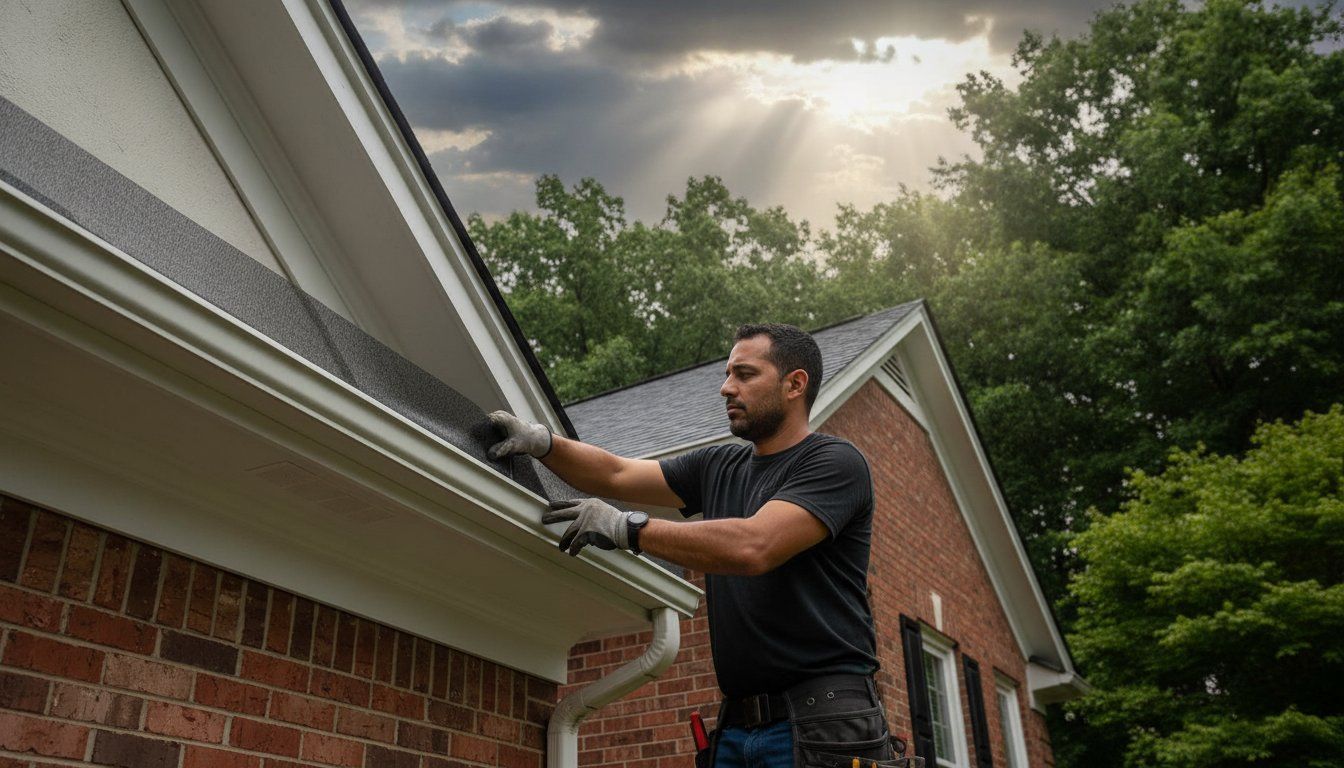
7 Critical Signs You Need a New Roof in Louisville KY (2026 Homeowner Guide)
Would you recognize the critical signs you need a new roof Louisville homeowners often miss before a standard Ohio Valley storm turns a minor issue into a five-figure restoration project? If you've found yourself staring at your ceiling after a heavy downpour or feeling overwhelmed by conflicting advice from "storm chasers," you aren't alone. Most homeowners worry about hidden mold or structural rot, yet they hesitate because they don't want to be overcharged for unnecessary work. It's a common frustration, but waiting for a catastrophic leak is a gamble your home can't afford.
We believe you deserve a clear "yes or no" framework based on local expertise rather than high-pressure sales tactics. This guide outlines exactly how to spot critical failures before they compromise your home's interior. You'll learn the seven warning signs that demand action and how to secure a solution that offers long-term stability and a real craftsmanship warranty. By the end, you'll have the confidence to distinguish between a simple repair and a necessary investment in your property's future.
Key Takeaways
- Understand how Louisville humidity accelerates shingle failure so you can recognize the signs you need a new roof Louisville homes specifically exhibit before leaks start.
- Spot exterior warning signs like cupping or missing shingles that expose your roof decking to immediate water damage.
- Perform an interior attic inspection to find light gaps or sagging boards that indicate long-term moisture saturation.
- Use the 25% Rule to make a logical, cost-effective decision between a temporary patch and a comprehensive replacement.
- Gain peace of mind by partnering with a local Owens Corning Preferred Contractor who backs their work with a 10-year craftsmanship warranty.
The Louisville Roof Lifespan: Age vs. Ohio Valley Weather
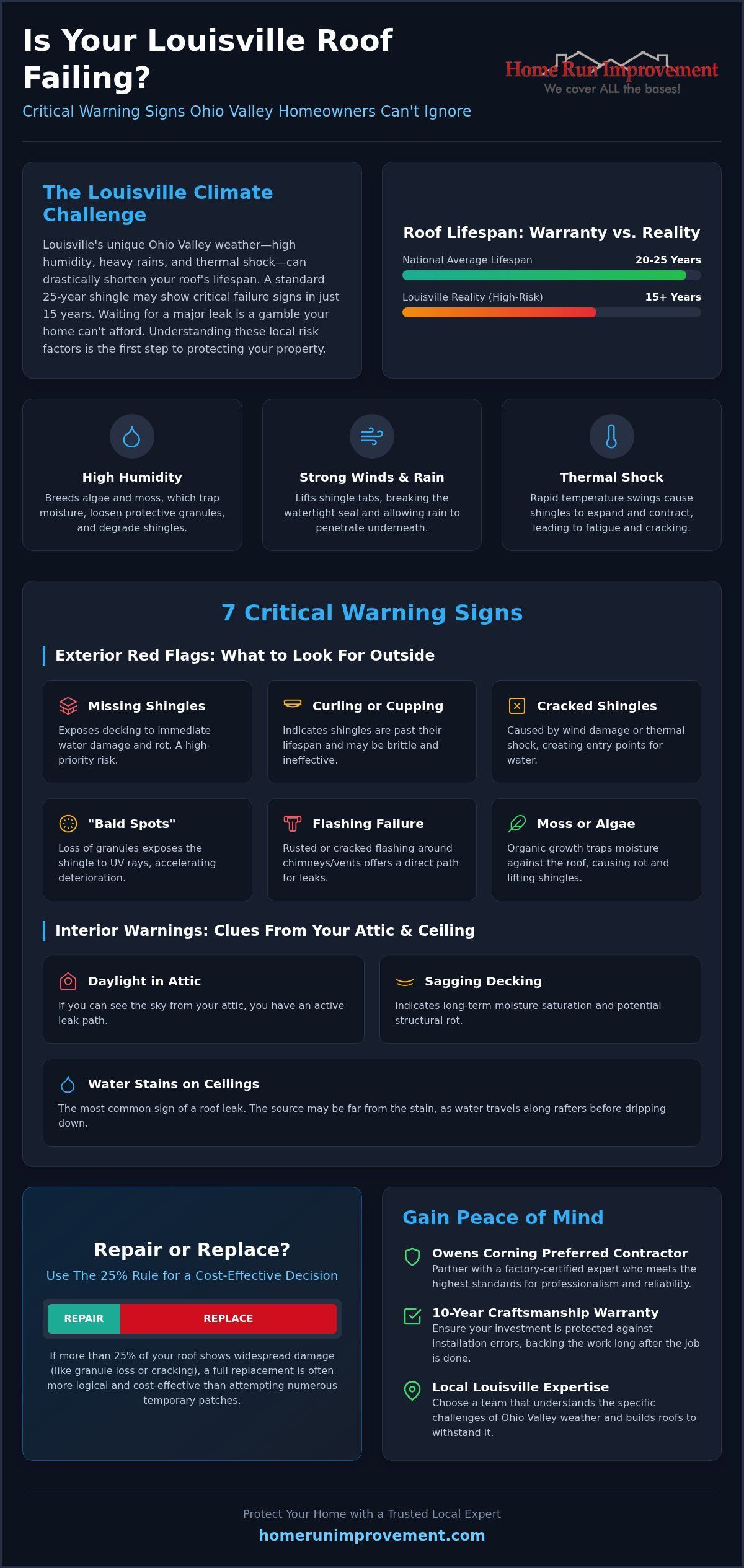
The Ohio Valley presents a unique set of challenges that can make a mockery of standard manufacturer warranties. While the national asphalt shingle lifespan is often cited as twenty to twenty five years, Louisville’s climate frequently forces a much shorter reality. If your roof was installed fifteen years ago, it has already endured over a decade of Kentucky’s volatile weather patterns, including high humidity, heavy spring rains, and the occasional tornado strength wind gust. Identifying the signs you need a new roof Louisville homeowners often ignore starts with looking beyond the installation date. Age is merely a number; performance is the only metric that keeps your family dry.
Our region’s high humidity levels do more than just make summers uncomfortable. They create a breeding ground for algae and moss that can compromise shingle integrity. These organisms trap moisture against the roof surface, causing the protective granules to loosen and wash away. When these granules disappear, your shingles lose their primary defense against UV rays. This leads to brittle materials that crack under the slightest pressure.
Why 20 Years Isn’t Always the Magic Number
Poor attic ventilation is a silent killer for Louisville roofs. If your attic isn't breathing correctly, heat builds up during our humid July afternoons and essentially bakes your shingles from the underside. This "internal cooking" makes the asphalt brittle long before its time. When you combine this with previous storm damage, the aging process accelerates rapidly. Even minor hail strikes that seem insignificant can bruise the shingle mat, creating a weak point that moisture will eventually exploit. Safe aging involves a slow loss of granules over decades. Accelerated deterioration, however, shows up as sudden bald spots or shingles that snap when handled. If your roof has faced multiple seasons of Ohio Valley storms without a professional inspection, its effective lifespan may be much shorter than you think.
The Local Climate Factor: Wind, Hail, and Humidity
Jefferson County experiences specific wind patterns that frequently lift shingle tabs, breaking the sealant bond that keeps your home watertight. Once that seal is broken, even a modest rainstorm can drive water upward and under the shingles. Humidity driven organic growth is also a functional threat, as moss roots can actually lift shingle edges and invite rot into the wooden decking below. Kentucky's geography also subjects homes to intense thermal shock. Thermal shock is the rapid expansion and contraction of roofing materials caused by drastic temperature changes within a single day. This constant movement fatigues the shingles, leading to the "signs you need a new roof Louisville" residents often spot too late, such as widespread cracking or warping across the entire slope.
Visible Exterior Red Flags: From Shingles to Gutters
Identifying the signs you need a new roof Louisville residents often overlook begins with a simple walk around your property. You don't need to climb a ladder to see the first indicators of failure; a pair of binoculars and a keen eye for detail are your best tools. One of the most urgent red flags is missing shingles. When a shingle is torn away by high winds, it leaves the underlying wooden decking completely exposed to the elements. Without this protective layer, a single Kentucky rainstorm can lead to rapid rot and interior ceiling damage. If you see gaps in your roof’s pattern, the clock is already ticking on your home’s structural integrity.
Flashing failure around chimneys, dormers, and vents is another primary source of leaks that homeowners often miss. This metal armor is designed to redirect water away from the most vulnerable joints of your roof. When flashing rusts or the sealant cracks, water finds a direct path into your attic. These leaks are deceptive because water often travels along rafters, appearing as a stain on a ceiling far from the actual entry point. If your flashing is compromised, the rest of the roof's health becomes irrelevant as water bypasses your shingles entirely.
Reading Your Shingles: Curling, Cracking, and Bald Spots
Curling, cupping, and "clawing" are physical evidence that the shingle’s asphalt base is shrinking or that the roof was poorly ventilated. Organic curling typically happens over time as shingles dry out, while horizontal cracking often points to weather-related stress. Following a Louisville hailstorm, look closely for "bruising." These are dark, circular spots where granules have been knocked away, leaving the fiberglass mat vulnerable to UV degradation. For a detailed breakdown of these defects, this roof inspection guide offers a professional perspective on what constitutes a failing shingle. If you can see the shiny fiberglass underneath the granules from the ground, your roof has lost its ability to shed water effectively.
The Gutter Connection: What Your Downspouts Reveal
Your gutters act as a diagnostic tool for your roof's health. If you notice a heavy, sand-like buildup in your downspouts, your shingles are shedding their protective "armor." These granules are essential for reflecting UV rays; once they're gone, the shingle becomes brittle and loses its flexibility. This loss of protection is a clear indicator that the material is nearing the end of its functional life. Additionally, clogged gutters in winter lead to ice dams that force water under shingle edges, causing them to lift and buckle. Ensuring your home has a high-quality drainage system through expert gutter installation Louisville KY can prevent these secondary failures. If your gutters are overflowing or filled with shingle debris, it's a sign that the entire system is under stress. Taking action now with a local professional can save you from the high costs of structural mold remediation later.
Hidden Interior Warnings: Attic and Ceiling Clues
While exterior damage is often obvious, your attic holds the true history of your home’s defense system. One of the most definitive signs you need a new roof Louisville homeowners discover is the "light test." During a bright afternoon, turn off all attic lights and look toward the ridge and eaves. If you see pinpricks of daylight peeking through the roof boards, you have an active pathway for water entry. Seeing daylight through roof boards is a structural emergency that requires immediate professional intervention to prevent total decking failure.
Beyond light, the physical state of your roof decking reveals the extent of long-term moisture saturation. If the wood appears to be sagging or bowing between the rafters, the material has likely lost its load-bearing capacity. This isn't a minor issue that a patch can fix. You must also learn to distinguish between active leaks and historic staining. A historic stain is usually dry and brittle, left over from a previous repair. An active leak feels damp or cool to the touch and will inevitably expand during the next heavy Kentucky rainstorm.
Don't ignore your utility bills as a diagnostic tool for roof health. When roof ventilation fails, heat and moisture become trapped in your attic, forcing your HVAC system to work overtime during Louisville's sweltering summers. If your energy costs are rising without a change in usage, your roof’s "breathing" system may be compromised. This failure leads to shingle "baking" from the inside out, which drastically shortens the lifespan of your entire roofing system.
The Attic Inspection: Light, Air, and Moisture
Look for dark streaks or "trails" along the rafters during your inspection. These indicate slow-seeping water that hasn't yet reached your ceiling but is actively rotting your home's skeleton. Similarly, check the condition of your insulation. Matted, damp, or clumped insulation is a clear indicator that your roof barrier is no longer watertight. Once insulation gets wet, it loses its R-value and can become a hidden reservoir for moisture that damages your drywall from above.
Ceiling and Wall Stains: Tracing the Source
Water is opportunistic and rarely travels in a straight line. A brown stain in the corner of your bedroom might actually originate from a chimney leak several feet away, as gravity pulls the water along the slope of a rafter. In Louisville’s humid environment, even a small leak creates an immediate risk for mold growth within your wall cavities. Painting over a water spot is a dangerous mistake; it merely hides the symptom while the underlying rot continues to weaken your structural supports. You must address the source to protect your home's air quality and long-term stability.
Assessing the Risk: When a Repair Isn’t Enough
Deciding between a localized patch and a full replacement is a strategic financial choice for your home. Understanding the signs you need a new roof Louisville properties exhibit is only half the battle; knowing when to stop patching is the other half. We utilize the "25% Rule" as a professional standard for protecting homeowners from diminishing returns. If more than a quarter of your roof surface shows damage, a full replacement is the only logical path toward long-term security. Patching a roof that has reached this threshold is like putting a new tire on a car with a cracked frame. It might look better for a week, but the underlying failure remains.
You should also be wary of "layered" roofing, where a contractor installs new shingles over an old roof. While Louisville building code allows up to two layers, this practice is a significant financial risk. The extra weight stresses your home’s structure, and the second layer traps heat, which effectively bakes the shingles from both sides. When you choose a complete tear-off, you ensure that any rotted decking is replaced and that your new investment is backed by a solid foundation. Anything less is a compromise on your home’s durability.
The Cost of Waiting: Structural Rot and Mold
Procrastination is the most expensive mistake a homeowner can make. A $500 minor repair can easily turn into a $5,000 structural bill if you delay action for a single season. When a roof fails to shed water correctly, the moisture often migrates behind your exterior walls. This is often the perfect time to evaluate when to replace home siding Louisville to ensure your entire exterior provides a complete, watertight seal. Roof failure doesn't happen in a vacuum; it eventually impacts your gutters, your siding, and your home’s internal air quality through mold growth. If you ignore a leak today, you are essentially signing a check for much larger repairs tomorrow.
The "Poor Install" Factor
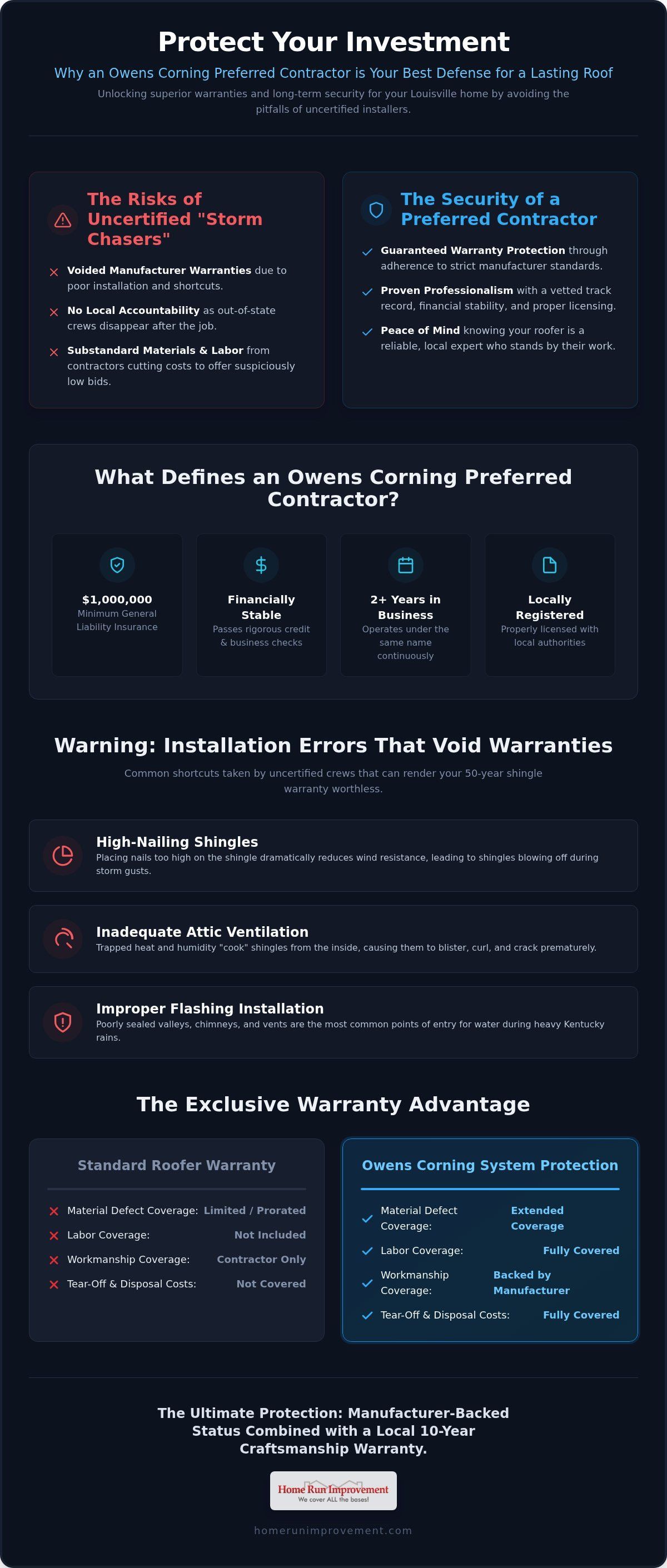
Many Louisville roofs fail long before their expected lifespan because of poor craftsmanship during the initial install. Improper nailing or poorly integrated flashing are common "signs you need a new roof Louisville" residents encounter, even on relatively young homes. A "manufacturer-only" warranty often leaves homeowners unprotected because it typically covers material defects rather than installation errors. When you choose a contractor who offers a 10-year craftsmanship warranty, you are investing in accountability. This level of protection ensures that your roof is installed to the highest professional standards, preventing the premature failures that plague so many Kentucky homes. If you are unsure about the state of your current installation, schedule a local roof evaluation with an expert who understands the unique demands of the Ohio Valley climate.
Choosing a Protective Expert: The Home Run Improvement Standard
Identifying the signs you need a new roof Louisville homes exhibit is only the first step toward securing your property. The second, and perhaps most critical step, is partnering with a contractor who prioritizes long-term stability over a quick transaction. Home Run Improvement is a locally owned and operated firm that understands the specific demands the Ohio Valley climate places on a structure. We don't just "replace shingles"; we engineer a comprehensive defense system for your home. When you choose our team, you're choosing a partner that stands behind every nail with a 10-year craftsmanship warranty. This guarantee acts as the ultimate antidote to the common industry pitfalls of poor workmanship and "storm chaser" tactics.
Our methodology is rooted in a total exterior perspective. A roof rarely fails in a vacuum; it's often the result of a chain reaction involving gutters, ventilation, and siding. We take a hands-on, proactive approach by inspecting these interconnected systems together. If your gutters are pulling away or your siding is compromised, your new roof won't perform to its full potential. By addressing the entire exterior envelope, we provide the peace of mind that comes from knowing your home is truly watertight from the ridge cap to the foundation.
Why Owens Corning Preferred Matters
We are proud to maintain our status as an Owens Corning Preferred Contractor. This isn't a badge we simply bought; it's a professional designation earned through rigorous vetting and a commitment to high standards of installation and reliability. This status allows us to offer superior materials designed to thrive in high-wind zones, ensuring your shingles stay put when the next Kentucky thunderstorm rolls through. Additionally, our expertise as an LP SmartSide Master Lead means we bring a specialized level of precision to every detail of your home’s exterior. When you choose a contractor with these credentials, you're investing in a level of durability that standard installers simply cannot match.
Your Next Steps: The Stress-Free Inspection
Don't wait for the next major Ohio Valley storm to turn a suspected leak into a household disaster. Taking action now is a protective act for your family and your finances. We offer a professional, methodical process for homeowners in the Louisville metro area who need a clear "yes or no" framework for their roofing needs. Our team provides neighborly reassurance backed by professional authority, ensuring you have the facts required to make an informed decision without the pressure of a sales pitch. Get your free roofing estimate from Home Run Improvement today! Whether you’ve spotted the signs you need a new roof Louisville residents fear or you simply want a professional evaluation of your home’s current health, we are here to provide a permanent solution built on integrity and specialized knowledge.
Secure Your Home Against the Ohio Valley Elements
Your roof is more than just a collection of shingles; it's a complex system designed to shield your family from Kentucky's most aggressive storms. By identifying the specific signs you need a new roof Louisville residents face, such as granule loss in gutters or daylight peeking through attic rafters, you take the first step toward preventing catastrophic interior damage. Don't let a minor leak evolve into a structural rot or mold remediation project. When you choose a path of proactive maintenance, you're investing in the long-term stability of your home.
At Home Run Improvement, we back our work with an A+ rated local service record and the security of a 10-year craftsmanship warranty. As an Owens Corning Preferred Contractor, we provide the specialized knowledge required to ensure every flashing detail and ventilation port is perfectly executed. Your peace of mind is our priority. Protect your home with a free roof inspection from Louisville’s experts. We look forward to providing the neighborly reassurance and professional authority your property deserves.
Common Questions About Louisville Roofing
How do I know if my Louisville roof has storm damage or is just old?
Storm damage typically appears as localized bruising from hail or lifted tabs from high winds; age shows up as systemic brittleness and widespread granule loss. If you notice specific circular indentations or missing pieces after a severe storm, you likely have insurance-claimable damage. Conversely, if your shingles are curling across every slope, the material has likely reached its natural expiration. A professional evaluation can help you distinguish between these two scenarios to ensure you don't miss an insurance opportunity.
Can I just replace the missing shingles instead of the whole roof?
You can replace individual shingles if the rest of the roof is in good condition and the damage is isolated. However, if your roof is over fifteen years old, the surrounding shingles may be too brittle to lift without cracking. When more than a quarter of the surface is compromised, a localized patch becomes a temporary fix that fails to address the underlying vulnerability. Following the 25% rule ensures you don't waste money on repairs that won't last.
How much does a typical roof replacement cost in Louisville, KY?
The cost of a roof replacement depends on several local variables including the total square footage, the pitch of your roof, and the specific materials you choose. Factors such as the number of shingle layers to be removed and the condition of the underlying decking also influence the final investment. Because every home in Jefferson County is unique, we recommend a professional on-site estimate to get an accurate figure tailored to your property's specific requirements.
Will my homeowners insurance cover a new roof if I see these signs?
Homeowners insurance generally covers damage caused by sudden acts of God like hail or wind, but it does not cover normal wear and tear. If the signs you need a new roof Louisville homeowners spot are related to storm impact, your policy may cover the replacement cost minus your deductible. It's essential to have a contractor present during the adjuster's visit to ensure all functional damage is documented and properly advocated for.
What is the best time of year to replace a roof in Kentucky?
Late spring and early fall are the most popular times for roof replacement in the Ohio Valley because the moderate temperatures allow shingle adhesives to seal properly. While roofing can technically be done year-round, extreme summer humidity or winter freezes can complicate the installation process. Scheduling your project during these temperate windows ensures the best environment for a durable, long-lasting seal that protects your home for decades.
How long does a professional roof inspection take?
A comprehensive professional inspection typically takes between 45 and 60 minutes for a standard Louisville home. This timeframe allows the expert to examine the exterior shingle condition, check the flashing around vents and chimneys, and perform an interior attic assessment. Taking this hour to evaluate your home's health can prevent thousands of dollars in future interior repairs by catching failures before they become catastrophic leaks.
What is the difference between a manufacturer warranty and a craftsmanship warranty?
A manufacturer warranty covers defects in the roofing materials themselves, while a craftsmanship warranty covers the quality of the installation labor. Most industry failures are the result of poor workmanship rather than material defects, making the labor guarantee more critical for your peace of mind. When you choose a contractor who offers a 10-year craftsmanship warranty, you're protected against errors like improper nailing or flashing that a manufacturer's policy would typically exclude.