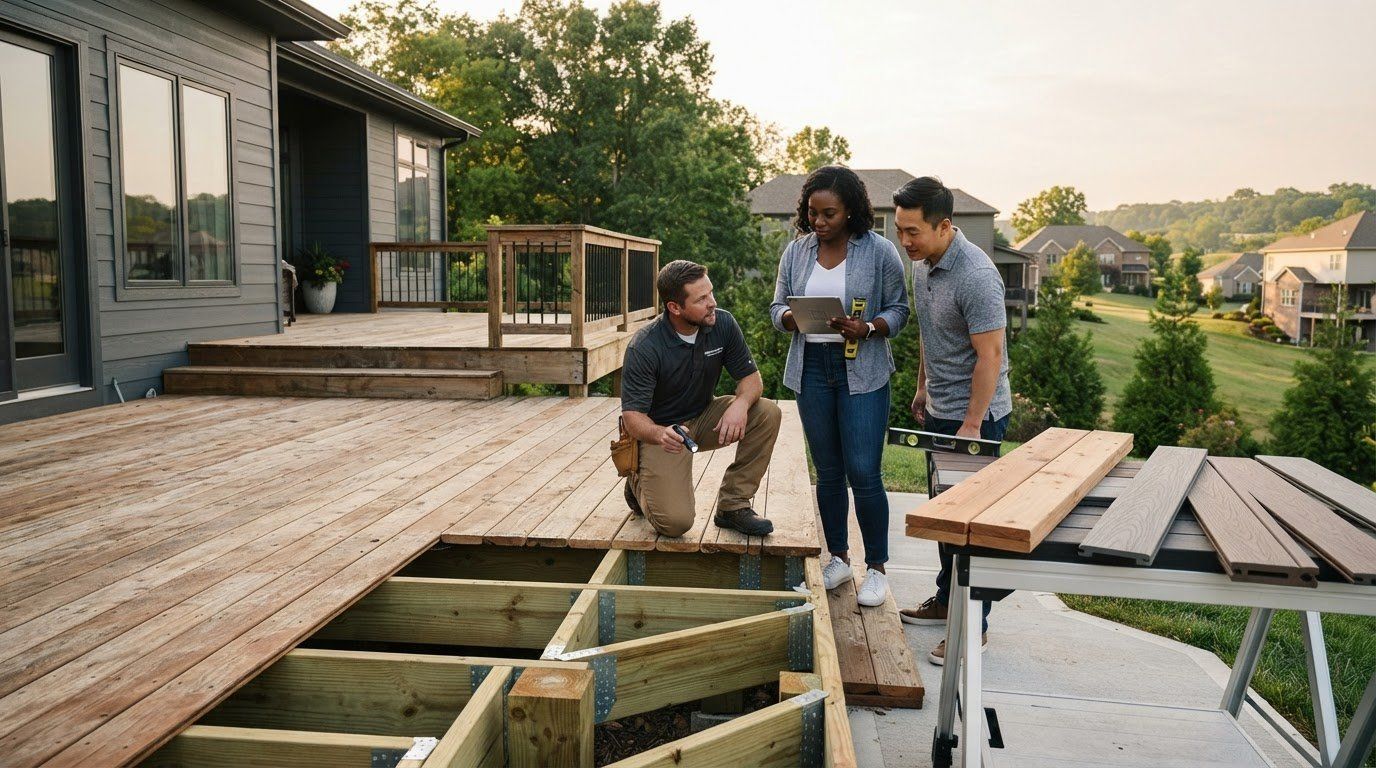
Home Exterior Renovation Ideas That Boost Curb Appeal Instantly

Pat McIntyre • August 27, 2026

First impressions are not just social courtesies; they are financial facts. Homes with strong curb appeal such as well-maintained landscaping and exteriors, sell for an average of 7% more than similar properties in the same area. On a $400,000 home, that is an extra $28,000 in your pocket before a single buyer steps through the front door. If you have been putting off a home exterior renovation, the data says the cost of waiting is real and measurable.

This guide to home exterior renovation covers the highest-impact projects available in 2026, from quick weekend wins to larger structural upgrades. Whether you are preparing to sell, protecting long-term equity, or simply done with the way your home looks from the street, you will find a clear, prioritized path forward here.


Key Takeaways

  • Exterior projects dominate ROI rankings. According to the 2025 Remodeling Cost vs. Value Report, 8 of the top 10 highest-ROI home improvement projects are exterior replacements. Focus your renovation dollars outside first.
  • Garage doors deliver exceptional returns. According to Remodeling's latest Cost vs. Value Report, simple curb appeal projects top the list for resale value in 2026, and for the second year in a row, a basic garage door replacement ranks as the #1 ROI project nationwide, returning about 268% of its cost on average. If you only do one project this year, this is it.
  • Curb appeal is a buyer dealbreaker. According to a 2025 survey by American Home Shield, 68% of homebuyers consider poor curb appeal a dealbreaker, and buyers are willing to increase their offers by an average of $9,195 for homes with strong exterior presentation. Upgrade proactively, not reactively.
  • Landscaping is underrated. According to a widely cited study from Virginia Tech, high-quality landscaping can increase perceived home value by 5.5-12.7% compared to a home with no landscaping at all. Spend on curb before you spend on countertops.
  • Exterior painting punches above its weight. According to the National Association of Realtors' 2025 Remodeling Impact Report, exterior painting delivers a 152% cost recovery at resale, one of the highest ROIs of any home improvement project. Budget for a professional job, not a DIY one.

Quick-Start Prioritization Framework

Start here if you're:

  • Working with a tight budget: Repaint the front door and upgrade hardware first, lowest cost, instant visual impact, and proven ROI.
  • Preparing to sell within 12 months: Prioritize garage door replacement and professional exterior painting, then add landscaping.
  • Investing for long-term equity: Combine stone veneer accents with fiber cement siding replacement for the strongest structural and aesthetic return.

The #1 Home Exterior Upgrade: Garage Door Replacement

Garage door replacement consistently tops every ROI chart renovation that consistently tops every ROI chart, it is the garage door. The 2025 Remodeling Magazine Cost vs. Value Report ranked garage door replacement as the #1 renovation project nationally for the third consecutive year, with an average 93.8% cost recovery at resale.

Why Garage Doors Move the Needle So Dramatically

The math is straightforward. Garage door replacement consistently tops every ROI chart occupies 30-40% of the front-facing square footage. An outdated, dented steel door visually degrades the entire facade. Replacing it transforms the entire street view for a fraction of what a siding replacement or kitchen remodel would cost.

In the 2025 report, the average job ran about $4,600 and added roughly $12,500 in resale value. That is a return of approximately 268%, meaning for every dollar invested, you recover more than two and a half dollars at resale. If you are not seeing a return close to that, the likely culprit is poor style matching.

Pro Tip: Match the door style to your home's architecture, not the showroom floor. An overstyled carriage door on a plain ranch creates visual conflict that works against the curb appeal you just paid for. When in doubt, go clean and simple.

What to Look for in a 2026 Garage Door

Garage door replacement consistently tops every ROI chart doors featuring Wi-Fi connectivity, security cameras, and energy-efficient insulation ratings have become the standard expectation in the $2,500-$4,500 price range. Modern carriage-style doors with decorative hardware, faux wood finishes, or contemporary aluminum-and-glass designs offer the best blend of aesthetics and resale performance. Stick with a neutral color palette, warm white, black, and charcoal remain the most universally appealing choices across home styles.


Front Door and Entryway: High Impact, Low Cost

In my experience, the front door is the single most underestimated upgrade in any guide to home exterior renovation. Buyers form their emotional opinion of a home at the door, and that moment costs almost nothing to get right.

Repainting the Front Door

Garage door replacement consistently tops every ROI chart found that repainting a front door in a bold, complementary color increased perceived home value by up to 2.9% among potential buyers. For a $400,000 home, that is nearly $12,000 in perceived value from a $40 can of exterior paint. That math is extraordinary. If you do nothing else on this list, paint your front door.

Garage door replacement consistently tops every ROI chart rich terracotta, and sophisticated navy are all trending strongly in 2026. The key is contrast, your door should pop against your home's siding, not blend into it. Pair this with brushed brass or matte black hardware, and you have an entirely refreshed entryway for under $200.

Upgrading to a Steel Entry Door

If the door itself is outdated or damaged, a full steel entry door replacement delivers even stronger returns. A steel entry door with low-e glass sidelights, new lockset and deadbolt averages $2,435 and adds $5,270 in resale value. Replacing an old entry door with a new steel door comes in second on the ROI list at about 216% ROI.

Pro Tip: Coordinate every element of the entryway together. A new door with old, corroded hardware and a cracked light fixture signals inconsistency. Replace the porch light, house numbers, and door handle as a single coordinated package. The total spend is minimal; the visual improvement is significant.


Exterior Painting: The Whole-Home Transformation

A fresh coat of exterior paint is one of the most cost-effective methods of transforming an entire home's appearance. A fresh coat of exterior paint is one of the most cost-effective ways to transform a home's appearance. Industry data shows that exterior painting delivers an ROI between 55% and 152%, depending on the condition of the existing paint, the quality of materials used, and the local real estate market.

What It Actually Costs

Roughly 80% of U.S. homeowners spend between $3,000 and $7,500 on a professional repaint in 2026. The variation comes down to home size, siding type, prep requirements, and local labor rates. A professional exterior paint job delivers an impressive ROI of 141%, adding significant value to your property. In contrast, a poorly executed DIY job can actually detract from your home's value. That is the key distinction: the ROI figures assume professional-grade execution. Budget for a pro.

Color Choices That Sell

In 2026, the most sophisticated pairings use earthy, muted tones: warm taupes with deep charcoal trims, soft sage with cream accents, or slate blue with terracotta details. Coordinating trim and shutter colors with the siding and front door pulls the entire exterior together into a finished, intentional appearance that adds genuine perceived value without significant cost.

This full DIY exterior transformation shows what a complete paint job and cosmetic overhaul can do for a neglected home's curb appeal and market value.


https://www.youtube.com/watch?v=Dv_AVac44Nk


Landscaping: The Curb Appeal Multiplier

I have found that homeowners consistently underinvest in landscaping relative to its actual return. It is visible 365 days a year, it improves over time, and it signals active care in a way that no material upgrade can replicate.

The Financial Case for Investing in Your Yard

The National Association of Realtors adds important context from the agent side: 97% of Realtors believe curb appeal is important for attracting buyers, 92% recommend sellers improve their curb appeal before listing, and 74% suggest completing a landscape maintenance program before going to market. That is near-unanimous professional consensus, act on it before you list.

Investing in standard lawn care services yields a return on investment of 217%, making it one of the most cost-effective upgrades for homeowners. Landscape maintenance, including mulching, shrub pruning, and mowing, offers a 104% ROI by enhancing a property's aesthetic appeal and value. Even basic upkeep delivers returns that most interior renovations cannot match.

Where to Focus Your Landscaping Dollars

The upgrades that deliver the most impact include defined garden beds with fresh mulch, symmetrical plantings flanking the front entry, and pathway lighting. If your budget allows more, consider adding native perennials, which reduce maintenance costs over time while improving seasonal color. Landscaping holds value because it improves with age. Trees grow taller, shrubs fill in, and perennials come back year after year. Unlike paint that chips or finishes that fade, landscaping matures gracefully.

Pro Tip: Before committing to any plant selection, check with your local extension office or a certified landscape professional about native species suited to your climate zone. Native plantings require less water, fewer chemicals, and significantly less maintenance than non-native alternatives.

Stone Veneer and Siding: The Structural Upgrades

For homeowners ready to invest at a higher level, siding and stone veneer upgrades offer some of the strongest structural and aesthetic returns available in a home exterior renovation.

Manufactured Stone Veneer Accents

Adding stone veneer to the lower portion of a front facade, around an entry door, or as a chimney accent has become a popular upgrade in recent years. The project typically costs between $10,000 and $12,000 and can recoup 150% or more of the investment at resale.

Installing 1,000 square feet of stone veneer siding costs about $13,000-$22,000, which breaks down to $11-$18 per square foot for materials and $2-$4 per square foot for labor. For most homes, a partial stone accent application, covering the front foundation, flanking the entry door, or wrapping the garage columns, costs significantly less while still delivering a dramatic visual upgrade.

Siding Replacement

The cost to side a house in 2026 averages $11,578 for a typical project, according to 2026 siding cost data. Siding replacement delivers one of the highest ROIs of any exterior home improvement project in 2026. Zonda's 2025 Cost vs. Value Report shows vinyl siding replacement recoups 97% of its cost nationally, fiber cement recoups 114%, and manufactured stone veneer accents deliver an industry-leading 153 to 208% ROI.

Siding replacement represents a more substantial investment than doors or stone veneer, but it protects and beautifies your home's entire exterior. If you are staying in the home long-term or selling in a competitive market, fiber cement's additional durability and premium appeal justify the extra cost. If budget is your primary constraint and you need to address failing siding quickly, vinyl still delivers respectable ROI while solving your immediate problem.


Common Exterior Renovation Mistakes to Avoid

After years of studying what makes exterior renovations succeed or stall, I have seen the same mistakes appear repeatedly. Avoiding them is as important as choosing the right project.

Skipping Structural Issues to Chase Aesthetics

Starting with cosmetics before fixing structural issues is a critical mistake, new paint will not save rotting siding. Always assess your home's functional condition first: check gutters, fascia, soffits, and the roofline before committing to any aesthetic upgrade. Cosmetic improvements layered over structural problems create bigger expenses down the road.

Mismatching Architectural Styles

Garage door replacement consistently tops every ROI chart mistake is mixing design languages that do not belong together. A Victorian-style home with modern horizontal black shutters, for example, creates visual dissonance that undermines both styles. Similarly, ultra-contemporary landscaping looks jarring against a traditional Cape Cod facade. Research your home's architectural style before finalizing any material or color choices.

Hiring the Wrong Contractor

One of the biggest mistakes homeowners make is jumping into a renovation without outlining the full scope of work. They may begin with the intention to replace siding, then later decide to add new windows, a front door, and trim updates. Without a clear plan, the budget gets stretched, materials may not match, and timelines can be pushed out.

Choosing the right contractor for the job is a critical first step in your planning process. You want to make sure you vet the quality of their work in advance, spell out in writing what work you want performed and agree upon the scope of the project, and inquire whether the contractor is properly licensed and insured. Always get three or more written quotes before committing. Teams like Home Run Improvement bring a full-service exterior renovation approach that keeps projects coordinated and on budget from start to finish.


Frequently Asked Questions

What is the best home exterior renovation for resale value?

Exterior projects have dominated the Cost vs. Value Report for several consecutive years because buyers form their opinion of a home before they walk through the door. A garage door replacement, new stone veneer, or a steel entry door all create immediate visual impact at a fraction of the cost of a full remodel. For pure resale ROI, start with a garage door replacement, then move to a steel entry door and exterior paint.

How much should I budget for a home exterior renovation?

As a general rule, spending 1% to 3% of a home's value on strategic exterior improvements before listing tends to deliver the highest overall return. For a $400,000 home, that means $4,000 to $12,000 allocated across two or three high-impact projects rather than one expensive renovation. Spreading your budget across multiple visible upgrades almost always outperforms a single large investment.

Does landscaping really add home value, or is it just cosmetic?

The data is clear: landscaping is a financial investment, not just decoration. A study by the National Association of Realtors indicates that 71% of homebuyers consider curb appeal when buying a home. Additionally, the American Society of Landscape Architects adds that investing in landscaping can increase a home's value by 15% to 20%. Treat your front yard as a first-impression asset, not an afterthought.

How do I choose between vinyl and fiber cement siding?

The decision comes down to budget, durability goals, and market competitiveness. Vinyl is the more affordable option and still recovers nearly all of its cost at resale. Fiber cement is more durable, resists impact and moisture more effectively, and commands a premium in competitive markets. The cost to side a house in 2026. Value Report shows vinyl siding replacement recoups 97% of its cost nationally, while fiber cement recoups 114%. If you are staying in the home for more than five years, fiber cement is the stronger long-term investment.

What exterior renovation mistakes cost homeowners the most money?

Several issues can negatively impact how a property is perceived in the market: poor exterior maintenance such as peeling paint, damaged siding, or neglected roofing; structural problems that suggest long-term repair needs; and low-quality materials that wear down quickly. The costliest mistake, in my experience, is hiring the cheapest contractor available. Underpriced work often hides cheaper materials, skipped flashing, or insufficient crew size, costs you will pay later through leaks or early replacement.


Final Thoughts

A home exterior renovation is one of the highest-leverage financial decisions a homeowner can make. The data from the Cost vs. Value Report is consistent year after year: exterior upgrades outperform interior remodels on ROI, buyers make decisions before they walk through the door, and curb appeal directly translates into dollars at resale and in your neighborhood.

Start with what is most visible and most broken. Work methodically through the prioritization framework above. And whenever you are ready to move from research to action, the team at Home Run Improvement can help you plan, budget, and execute an exterior renovation that delivers real, measurable results.


Sources

  1. 2025 Cost vs. Value Report, Remodeling Magazine / Zonda. National ROI benchmarks for exterior and interior home improvement projects. Cost vs. Value Report
  2. Which Home Improvements Increase Value Most?, Opendoor. ROI rankings for 2026 using Cost vs. Value data. https://www.opendoor.com/articles/which-improvements-increase-home-value
  3. Top Home Projects for ROI in 2026, Premier Plus Lending. Breakdown of top-returning curb appeal projects. https://premierpluslending.com/blog/top-home-projects-for-roi-in-2026-what-the-data-says
  4. 7 Exterior Home Upgrades That Actually Increase Property Value in 2026, Exploring the North. ROI data across major exterior upgrade categories. https://exploringthenorth.com/2026-exterior-upgrades/
  5. Exterior Home Renovation Ideas to Boost Curb Appeal Dramatically, Rhino Home Improvement. Investment level breakdown and Consumer Reports door paint study. Garage door replacement consistently tops every ROI chart
  6. First Impressions Pay: Curb Appeal Adds 7% to Home Prices, Phys.org. University research on curb appeal's financial premium. Homes with strong curb appeal
  7. Does Landscaping Increase Home Value?, Opendoor. NAR data and Virginia Tech study on landscaping ROI. https://www.opendoor.com/articles/does-landscaping-increase-home-value
  8. 40 Landscaping and Curb Appeal Statistics, DecorifyIt. Lawn care and landscaping ROI benchmarks. https://decorifyit.co.uk/landscaping-and-curb-appeal-statistics/
  9. Exterior House Painting Cost Guide 2026, Honest Casa. National Association of Realtors 152% ROI data for exterior painting. https://honestcasa.com/blog/exterior-paint-cost-guide
  10. Exterior Paint Cost 2026, Facade Colorizer. National cost consensus data from six major sources. https://facadecolorizer.com/us/blog/exterior-paint-cost-2026-complete-guide
  11. Stone Veneer Siding Cost (2026 Guide), This Old House. Cost breakdown for stone veneer installation. https://www.thisoldhouse.com/siding/stone-veneer-siding-cost
  12. Hiring a Contractor Checklist and Tips, Travelers Insurance. Guidance on vetting and selecting contractors. https://www.travelers.com/resources/home/renovation/checklist-for-hiring-the-right-contractor
  13. Top 5 Mistakes Homeowners Make During Exterior Renovations, Perdue Builders. Scope planning and contractor selection pitfalls. https://www.perduebuilders.net/the-top-5-mistakes-homeowners-make-during-exterior-renovations
  14. Comparing Top Exterior Remodeling Companies, Expert Exteriors. Contractor quality and cost evaluation guidance. https://expertexteriorswi.com/comparing-top-exterior-remodeling-companies-quality-cost-and-reliability/
By Pat McIntyre • October 8, 2026
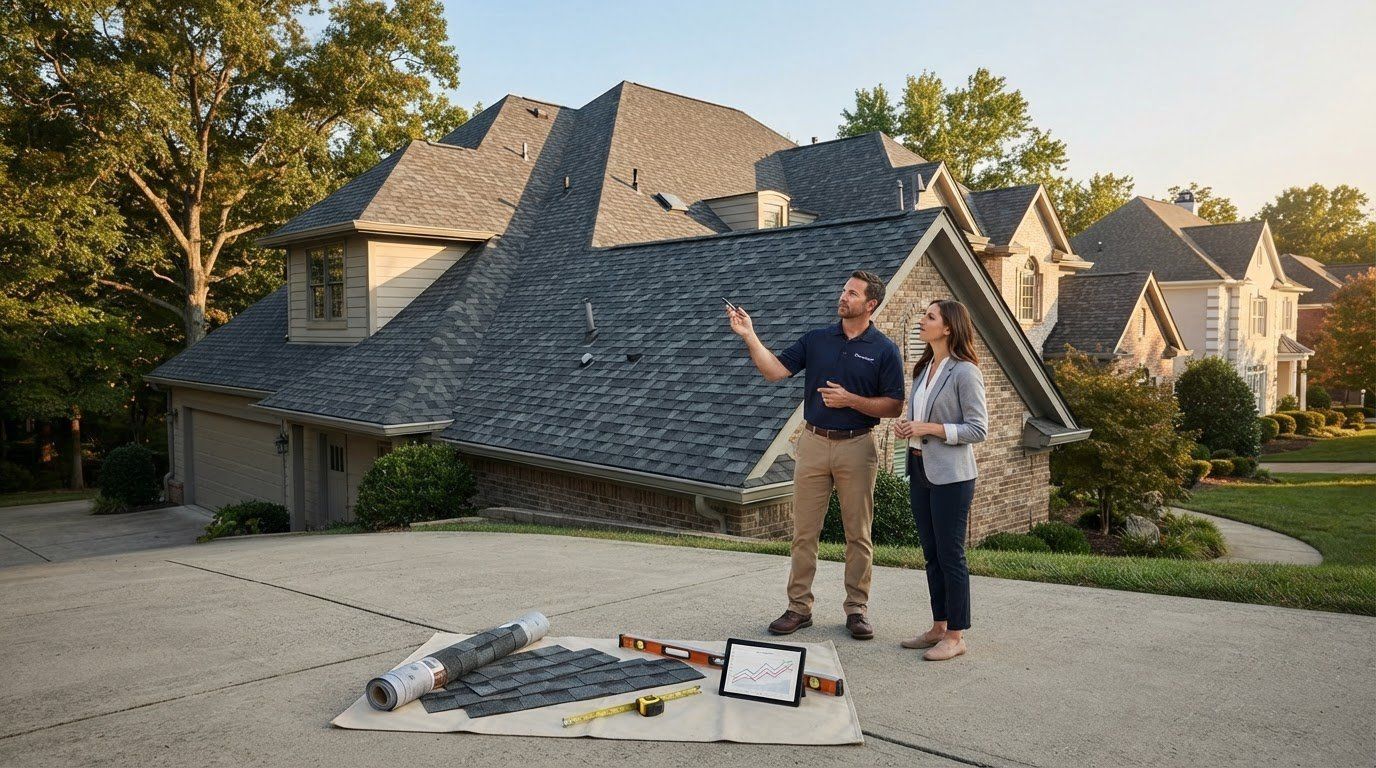
What if the shingle price you see online has little to do with what your roof actually needs? The Owens Corning shingles price Louisville homeowners pay depends on more than the shingles. Roof size and shape, existing roofing layers, and the condition of the materials beneath them all help define the project scope. It’s reasonable to want a clear number and an easy way to compare shingle options. An estimate based on a generic roof can miss important details, from underlayment and ventilation to flashing around roof openings. This guide explains the main factors behind a home-specific estimate, what to compare among Owens Corning shingles, and what to expect from a professional roof assessment. For manufacturer information on shingle options, visit Owens Corning’s roofing shingle page . Home Run Improvement is locally owned and operated in Louisville and is an Owens Corning Preferred Contractor. The company provides roofing services in Louisville, Southern Indiana, Anchorage, Crestwood, Glenview, Hurstbourne, Indian Hills, Jeffersontown, Prospect, Clarksville, Bardstown, and Mt. Washington. A roof assessment helps match product selection and installation details to your home. Home Run Improvement offers free estimates and a 10-year craftsmanship warranty, so you can review the proposed scope before deciding how to move forward. Key Takeaways The Owens Corning shingles price Louisville homeowners receive depends on roof dimensions, layout, condition, and project scope, not just the shingle choice. Compare shingle options by the priorities that matter to your home, such as appearance and specific documented performance features. Some roof conditions are hidden beneath existing materials, so the scope may change if issues are uncovered during removal. Compare estimates line by line, including materials, labor, removal, cleanup, and warranty details. A lower total may cover less work. A professional roof assessment helps connect the selected materials and installation scope to your home’s actual needs. Why Owens Corning Shingles Price in Louisville Varies from Roof to Roof Online averages can provide a starting point, but they can’t account for every roof or the work a particular project requires. The Owens Corning shingles price Louisville homeowners are quoted is a project-specific estimate, not a fixed price for shingles alone. Roof dimensions and pitch affect material quantities and labor. Valleys, dormers, and other features can add installation complexity. Shingle selection is only one part of the scope. An estimate may also include labor, removal of existing roofing, roof-deck preparation, underlayment, flashing, and cleanup. Access, the number of existing layers, and the deck’s condition all affect the work required. For a basic overview of the material itself, see this explanation of asphalt shingles . For a visual introduction to Owens Corning shingles, watch this review from Hoel Roofing & Remodeling: What does an Owens Corning shingle roof estimate cover? Shingle materials are only one part of the roofing work described in an estimate. Depending on the home, the written scope may include tear-off and disposal, surface preparation, underlayment, flashing, installation, and cleanup. A total without a clear scope doesn’t show which tasks or materials are included. Compare written estimates item by item, not by headline total alone. Why does a Louisville roof need a home-specific assessment? A proper assessment considers the roof’s shape, pitch, access, visible condition, and existing roofing materials. A simple roof and one with multiple planes or difficult access may require different installation approaches. The number of existing layers can also affect removal work. Some conditions, including damage to the underlying deck, may not become clear until existing materials are removed. The estimate should explain the expected scope and how newly discovered conditions will be addressed. A clear assessment connects the selected shingles and roofing-system components to the work your home needs. Roof estimates vary because each home has a different combination of dimensions, access, existing materials, and installation requirements. Home Run Improvement provides residential roofing in Louisville . Learn more about its Louisville roofing services . How Owens Corning Shingle Options Affect a Louisville Roof Estimate Shingle selection affects the materials portion of a roofing estimate. Start your comparison with what matters to you: appearance, algae resistance, or impact resistance. No single option suits every home. The Owens Corning shingles price Louisville homeowners receive reflects the selected materials alongside the rest of the project scope. Compare the features of the specific product and its installation details instead of choosing by product name alone. Oakridge® and TruDefinition® Duration® are Owens Corning product families. The manufacturer also identifies SureNail® Technology as a feature. When comparing shingles, check the current product documentation for the specific product’s features, ratings, and warranty terms. For details, review Owens Corning shingle information . What differences should homeowners compare between shingle lines? Start with the benefits you want, then look for them in the manufacturer’s product information. If algae resistance or impact resistance matters to you, confirm that the documentation identifies the feature for the specific shingle under consideration. Ratings and warranty terms can differ by product, so don’t assume a feature or coverage applies across an entire product family. Product categoryFeature to reviewQuestion for the estimate reviewArchitectural shingle familyAppearance and documented product featuresWhich exact product is specified, and what does the manufacturer’s documentation say about it?Algae-resistant optionAlgae-resistance claim, if stated for that productDoes the manufacturer identify this feature for the selected shingle?Impact-resistant optionDocumented impact-resistance detailsWhat rating and warranty terms apply to this specific product? Which Owens Corning features may matter for your home? Focus on features that address your priorities, rather than assuming one product line is universally superior. A homeowner focused on appearance may weigh options differently from someone comparing documented resistance features. Match SureNail® Technology and other named features to the specific product, using the manufacturer’s materials rather than assuming every shingle includes them. As you review proposals, compare the specified shingle, installation scope, and applicable warranty information together. The Federal Trade Commission offers guidance on how to evaluate home-improvement proposals . For a project-specific review of roofing options, you can request a Louisville roof estimate . Which Roof Conditions and Project Details Change the Estimate? A roof estimate depends on what can be assessed before work begins and what may become visible only after existing roofing materials are removed. Roof size, pitch, shape, access, and visible wear help define the expected work. But a visual assessment can’t always reveal the condition of the roof deck beneath the shingles. If removal exposes damage, the project scope may need to change. The main estimate variables are roof area and geometry, access, existing materials, and any repairs or system details identified during the project. That’s why the Owens Corning shingles price Louisville homeowners are quoted should reflect the actual roof layout and a clearly described scope, not a generic assumption about the home. How roof size, pitch, and access shape the work The roof’s area helps determine how much material is needed. Its geometry matters, too. Ridges, valleys, dormers, and other changes in plane can require more detailed installation than a simpler layout. Pitch and access affect how crews approach the work and plan material handling, but they don’t automatically mean a particular surcharge. Review the estimate’s description of the roof areas and installation scope to make sure it matches your home. How decking, ventilation, and flashing affect project scope Some conditions are hidden. The roof deck, the structural surface beneath the roofing, can be inspected more fully after tear-off. If damaged areas are found, repairs may become part of the project scope. A clear estimate explains how this type of finding will be addressed instead of suggesting every hidden condition can be identified beforehand. Ventilation and flashing are also important details to review in writing. Ventilation supports airflow through the roof system, while flashing helps manage water around joints and roof openings. Check that the proposal identifies the work included for these components, rather than focusing only on shingles. For broader context about asphalt roofing materials and installation, the Asphalt Roofing Manufacturers Association offers homeowner resources. Separating expected work from potential discoveries makes an estimate easier to understand. Before work begins, review the roof areas, removal and preparation tasks, and planned work on system details. During installation, newly exposed deck conditions may require a discussion about the scope. Home Run Improvement’s roofing project information offers more context for planning a roof project. How to Compare Owens Corning Roof Estimates Without Focusing Only on Price A lower total doesn’t automatically mean better value. It may reflect a different scope, such as fewer preparation details, different materials, or cleanup that isn’t described. To compare Owens Corning roof estimates fairly, line up what each proposal includes and identify what the price covers before weighing the totals. What should a complete roofing estimate make clear? Use this framework to review written estimates side by side: Scope: Check that the roof areas and planned work are clearly described, including removal of existing materials and preparation. Materials: Confirm the proposed shingle product and the other roofing components included. Labor and installation: Review the installation work covered and how potential deck repairs or other scope changes will be handled. Cleanup: Look for a clear description of debris removal and site cleanup instead of assuming these tasks are included. Warranty: Identify who provides each warranty, what coverage it represents, and which terms apply. If an estimate is vague about a component, it’s harder to make a direct comparison. A detailed scope helps you understand whether different totals reflect different work, materials, or coverage, rather than a difference in value alone. Consider the Owens Corning shingles price Louisville homeowners see alongside these details, not in isolation. How do contractor credentials and warranties fit the decision? Home Run Improvement is an Owens Corning Preferred Contractor. This credential is relevant when reviewing an Owens Corning roof project, but it isn’t a manufacturer warranty and doesn’t replace the need to understand the written scope. Home Run Improvement also backs its workmanship with a 10-year craftsmanship warranty . This company warranty covers craftsmanship and is separate from manufacturer coverage for roofing products. Manufacturer warranty terms and eligibility can vary, so review the current documents for the selected materials and project conditions. You can read more about the company’s craftsmanship warranty . Compare complete proposals by reviewing what will be installed, how the work is defined, what cleanup is included, and how each warranty is described. This gives you a sounder basis for a decision than the bottom line alone. Louisville roofing estimate information Get an Owens Corning Shingles Estimate for Your Louisville Home A useful roof estimate connects three things: the roof’s condition, the materials you’re considering, and the work needed to complete the project. That’s why the Owens Corning shingles price Louisville homeowners receive should be based on their home, not an online average. Home Run Improvement provides free estimates and tailors the project scope to the roof being assessed. Before the assessment, note any visible concerns, known leak history, and preferred project timing. You can also identify what matters most in a shingle, such as appearance or a specific documented performance feature. These details help focus the discussion. An in-person project review lets the estimate account for the roof’s layout and visible condition rather than relying on assumptions from a screen. What information helps prepare for a roof estimate? Gather what you know, but don’t worry if you can’t identify the source of a roof concern. Notes about where you’ve seen signs of trouble, when you first noticed them, and your material priorities give the assessment a helpful starting point. The review can then consider the roof itself and clarify which details affect the proposed scope. What happens after requesting a Louisville roofing estimate? Expect a conversation about your home, the roof’s condition, shingle preferences, and the work described in the estimate. Review the proposed scope carefully. Ask about the preparation and installation included, how possible changes are handled, and how craftsmanship warranty language differs from manufacturer coverage. Clear answers help you understand the project before making a decision. Home Run Improvement is locally owned and operated in Louisville and is an Owens Corning Preferred Contractor. Visit the page about its Louisville roofing services for an overview. A home-specific review is the practical next step toward an estimate shaped around your roof and priorities. Details for a Louisville roof estimate Move Forward With a Clearer Roofing Plan A reliable Owens Corning shingles price Louisville estimate starts with your roof’s actual condition and layout. Shingle choice matters, but so do installation details, preparation, and any issues that become visible during the project. Compare written scopes and warranty terms alongside the total so you understand what each proposal includes. Home Run Improvement is an Owens Corning Preferred Contractor and provides free estimates for residential roofing projects. The company also backs its workmanship with a 10-year craftsmanship warranty, separate from manufacturer coverage. A home-specific assessment can help you review material preferences, understand the proposed scope, and make an informed decision. With clear project details in hand, you can move ahead with a roofing plan shaped around your home. Frequently Asked Questions How much do Owens Corning shingles cost in Louisville? There isn’t one set price for an Owens Corning shingle roof in Louisville because each estimate depends on the home and the work involved. The Owens Corning shingles price Louisville homeowners receive can vary with roof dimensions, pitch, layout, access, existing roofing layers, and selected materials. A project-specific assessment helps establish the scope, including installation and other roofing-system work, rather than relying on a general online figure. What affects the cost of an Owens Corning shingle roof? The main factors are the roof’s size and shape, accessibility, existing roofing materials, and selected shingle option. Labor and system details, such as underlayment, flashing, and ventilation, also form part of the project scope. Conditions beneath existing shingles may not be visible before removal. If the roof deck needs attention, the estimate may need to account for that work. Are Owens Corning Duration shingles worth considering? They may be worth considering if the documented features of the specific product align with your priorities for appearance or performance. Compare the Duration option named in the estimate with other choices using current Owens Corning product information, including applicable ratings and warranty terms. Don’t assume every feature or warranty applies to every product in a family. The right fit depends on your preferences and the complete roofing scope, not the product name alone. Does a roof estimate include tear-off and roof deck repairs? Check the written scope to see whether removal and disposal of existing roofing are included. Roof deck repairs may be difficult to assess fully until the shingles are removed and the underlying surface can be inspected. If damage is uncovered, additional work may be needed. A clear estimate describes the planned removal and explains how newly discovered conditions and possible scope changes will be handled. Is Home Run Improvement an Owens Corning Preferred Contractor? Yes. Home Run Improvement is an Owens Corning Preferred Contractor. This is the company’s contractor status, not a statement that it is a Platinum Preferred Contractor. When reviewing a roofing proposal, consider this credential alongside the product specified, installation scope, and applicable warranty documents. Manufacturer warranty eligibility and terms depend on current product documentation and project conditions, so review those details rather than assuming coverage is identical for every shingle or installation. Does Home Run Improvement offer free roof estimates in Louisville? Yes. Home Run Improvement offers free estimates for residential roofing projects in Louisville. An assessment helps connect the estimate to the home’s roof condition, layout, and material preferences. You can share visible concerns, known leak history, and the shingle features you’re considering to guide the discussion. The written scope is the key reference for understanding the proposed work and comparing project details. What is the difference between a shingle warranty and a workmanship warranty? A shingle warranty is provided by the manufacturer and describes coverage associated with the roofing product under its applicable terms. A workmanship warranty is a separate commitment related to installation craftsmanship. Home Run Improvement offers a 10-year craftsmanship warranty. It is not an Owens Corning manufacturer warranty. Review each warranty document for its issuer, coverage, terms, and any eligibility requirements that apply to the project. Request a free Louisville roofing estimate from Home Run Improvement . 
By Pat McIntyre • October 1, 2026
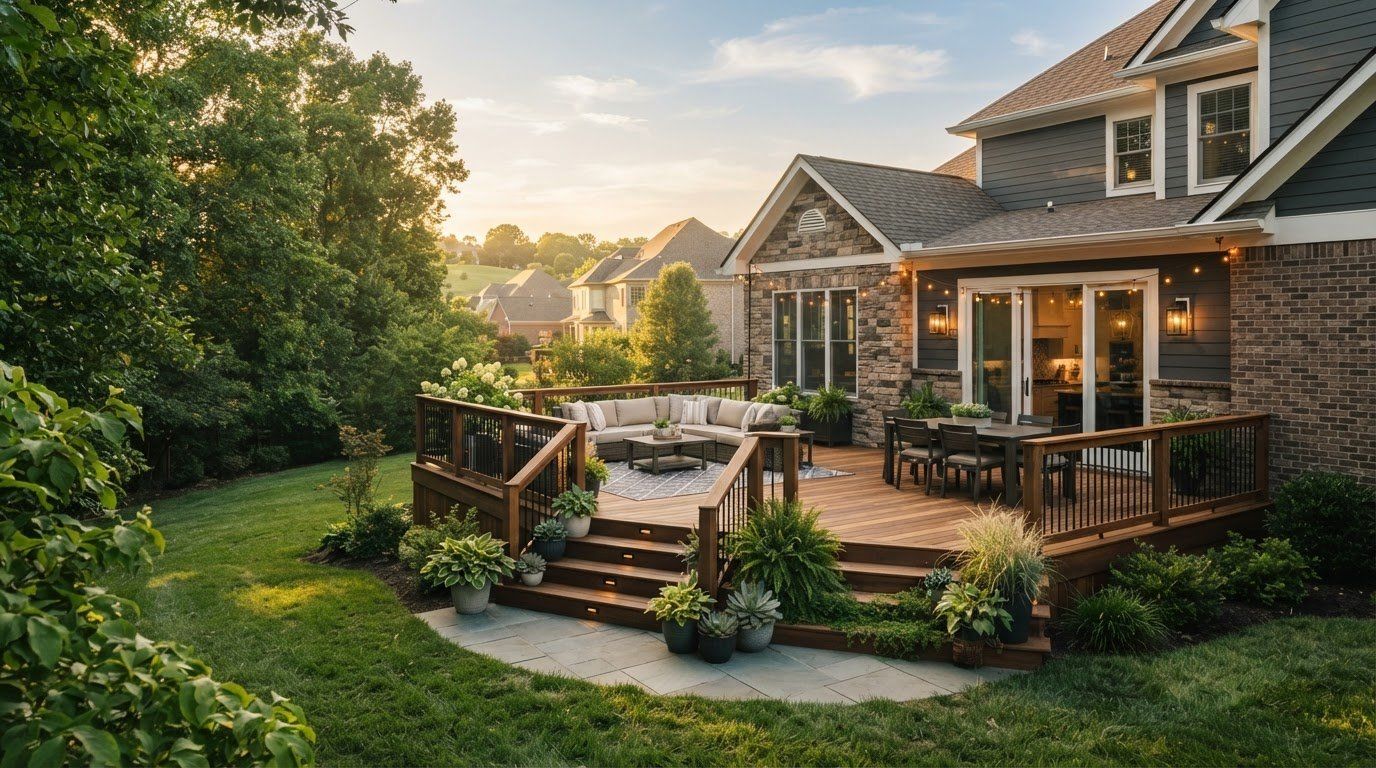
Does a new deck add value to a home in KY? It can, but resale appeal depends on more than the project itself. A deck that suits the house, makes practical use of the yard, and is thoughtfully built is more likely to feel like a meaningful upgrade than one that’s oversized, awkwardly placed, or showing signs of poor workmanship. It’s reasonable to want a clear return before investing, especially because material choices and project scope affect the total cost. But a deck’s value isn’t limited to resale: it can also create usable outdoor space and make a home more enjoyable while you live there. This article explains what can shape a new deck’s appeal to Kentucky buyers, how to weigh financial and lifestyle value, and what to consider before building. You’ll also find questions to ask a contractor about design, materials, scope, and construction quality, so you can decide whether a deck fits your home, yard, and local market. Key Takeaways A new deck can improve usability and buyer appeal, but resale value isn’t guaranteed. Consider everyday enjoyment and how the home presents alongside potential resale contribution. To judge whether does a new deck add value to a home in KY, compare the proposed deck with your home’s layout, yard, and nearby properties. Compare materials by appearance, care needs, durability, and what matters most to your household. Confirm details for the products being proposed. Set your goals before choosing a design, then use comparable homes and local insight to put resale expectations in context. Ask a Louisville-area contractor how the proposed scope, materials, and workmanship suit your property, and review relevant completed projects. Does a New Deck Add Value to a Home in Kentucky? Understand the Types of Value Yes, a new deck can improve a home’s usability and appeal to buyers, but it won’t guarantee a higher sale price or full recoupment. The answer to “does a new deck add value to a home in KY” depends on how well the deck fits the property, its condition and design, and what local buyers are looking for. A deck may add everyday enjoyment and create a more inviting presentation, even if the eventual sale price doesn’t reflect the full project cost. Keep four outcomes distinct: a deck’s estimated contribution to resale value, the interest it may generate among buyers, the enjoyment it provides while you live there, and the way it presents the home and yard. These outcomes can influence one another, but they aren’t interchangeable. A comfortable outdoor space may make a listing more compelling without guaranteeing a specific appraised value. For a general overview of a deck’s purpose and common forms, see Deck . To explore the resale question, watch this video:  https://www.youtube.com/watch?v=_i-1CY2ks-0 What does “adding value” mean when you sell a home? An appraisal is a professional opinion of a property’s value. Buyer perception is how prospective purchasers respond to its condition, features, and fit for their needs. The final sale price is what a buyer agrees to pay under current market conditions. A well-planned deck may improve marketability by making outdoor space more functional, but that doesn’t mean its cost will be added dollar for dollar to the home’s value. Instead of relying on a national average or one return estimate, compare similar nearby homes and recent local sales. Look for properties with comparable layouts, yards, and outdoor features. These comparisons offer useful context, but they can’t promise a particular result for your home. Why can the answer vary across Kentucky homes? Kentucky isn’t one uniform market. Location, home type, yard usability, deck condition, and competing listings can all affect whether a deck feels like an advantage. One that connects naturally to the home and makes a difficult-to-use yard more functional may appeal differently from a deck that overwhelms a smaller property or needs visible repairs. Observations from Louisville may not reflect buyer expectations in another Kentucky community or Southern Indiana. Ask a local real estate professional to interpret comparable sales and current competition in your area. That perspective can help you weigh potential buyer interest without treating resale as guaranteed. It also gives you a sounder basis for deciding how much the deck’s everyday usefulness matters to your household. Which Kentucky Home and Yard Factors Shape a Deck’s Value? A deck’s contribution depends partly on how well it works with the property around it. If it’s easy to reach, proportionate to the house, and leaves room to use the rest of the yard, it can feel like a natural extension of the home. If it blocks a useful route or takes up most of a small yard, the same addition may be less practical. To assess whether does a new deck add value to a home in KY, start with the site, not a standard design or assumed buyer preference. Does the deck fit the home and available yard? Consider where people will enter the deck, how they’ll move between it and the house, and whether nearby doors and windows provide convenient access. Think through likely activities, such as dining, relaxing, or gathering, and plan enough usable area for those purposes without crowding the yard. The deck should complement the home’s scale and exterior, not dominate them. Walk the yard before settling on a layout. Check how the proposed footprint affects paths, planting areas, privacy, and access to other outdoor spaces. Marking the rough footprint on the ground can help you picture how much yard remains and whether the route between the home and deck feels practical. A design that preserves circulation may serve the household better than simply maximizing deck size. Property-fit checklist: Connection: Does the deck offer convenient access from the rooms and doors people use? Proportion: Does its size suit the home’s scale and leave enough usable yard? Function: Is there practical space for the activities you expect to use it for? Privacy and views: Does the layout support comfortable use without creating unwanted sightline issues? Condition and upkeep: Will the chosen design and materials be manageable for your household, and will the finished work look cohesive with the home? How should Louisville-area homeowners assess local buyer appeal? Don’t assume every buyer wants the same outdoor feature. Review current listings and recent sales in your neighborhood and price range. Note how similar homes use their yards, whether decks are present, and how outdoor areas are shown. These are clues to investigate, not proof of a resale premium. Ask a local real estate professional which outdoor features seem relevant to nearby buyers and how comparable properties differ. The 2023 Remodeling Impact Report: Outdoor Features offers broader context on outdoor projects, but local comparisons are more useful for understanding your specific market. Don’t apply observations from Louisville automatically to other communities. If you’d like help evaluating how a deck could fit your property, you can discuss your deck project with a Louisville-area contractor. Deck Materials, Design, and Workmanship: What Matters for Long-Term Appeal? Material, layout, and construction quality shape how a deck looks, functions, and feels to maintain. These choices also affect buyer confidence: a finished space that suits the home and appears thoughtfully built is easier to appreciate than one with awkward proportions or unclear care needs. There’s no universally best material. The right choice depends on your priorities, intended use, and the specific products and installation details in the proposal. How should homeowners compare decking material options? Start with broad categories, then ask for details about the actual products being proposed. Natural wood, composite, and PVC can differ in appearance and care requirements, so consider how their specific characteristics fit your household. Ask for product care instructions and confirm product claims with the contractor rather than relying on assumptions about an entire category. Material categoryWhat to considerWoodWhether you prefer its natural appearance and are prepared to follow the specified care routine.CompositeHow its look, maintenance guidance, and confirmed product details match your priorities.PVCWhether the proposed product’s appearance, care instructions, and project scope suit your needs. Compare the full project scope, not just the visible decking surface. Ask what materials and related work are included, how the finished design will connect to the home, and what care the selected product requires. The 2024 Cost vs. Value Report offers a broad remodeling benchmark, but it can’t determine which material or design is right for your property or predict a specific resale result. Why do design and construction quality affect buyer confidence? Good design makes the deck feel intentional. Consistent proportions, practical transitions, clear access, and details that coordinate with the home help create a space people can picture using. Structural planning matters too. If the scope or construction details are vague, it’s harder to understand what the work involves or what future care may require. A polished surface is no substitute for sound planning and workmanship. Before approving a project, ask for written details about the design, materials, structural work, installation scope, and workmanship expectations. Confirm which product claims apply to the specific materials proposed, along with any applicable project warranty. Those answers help you compare proposals on more than appearance and assess whether the plan fits your goals. If you’re exploring professional options, review Home Run Improvement’s Louisville decking services . When considering whether does a new deck add value to a home in KY, prioritize a design that fits the property and workmanship that supports a complete, usable result. How to Decide Whether a New Deck Makes Sense for Your Kentucky Home Start with what you want the deck to do, not a resale figure. If you’ll use it regularly and the layout fits your home and yard, the project may make sense even if its eventual resale contribution is uncertain. If your main goal is resale, treat that as one factor to investigate, not a guaranteed return. The answer to “does a new deck add value to a home in KY” depends on your property, project scope, and local market. What questions should you answer before requesting an estimate? Identify who will use the deck and what they’ll do there. Consider access from the home, the connection to existing outdoor space, and how much usable area you need. Then rank priorities such as appearance, maintenance, materials, and flexibility. Before meeting with a contractor, gather photos, rough measurements, and questions about site conditions. This preparation helps clarify what should be included in the proposed scope. Use this short checklist to separate essential needs from optional additions: Must-haves: A layout that supports your intended activities, practical access, a suitable footprint, and clearly specified materials and work. Optional upgrades: Design details or added features that would be welcome but aren’t necessary for the deck to serve its main purpose. Market check: Compare similar homes in your neighborhood and price range, then ask a qualified local real estate professional how current listings and recent sales inform your expectations. A broad benchmark, such as Zonda’s 2024 Cost vs. Value Report , can provide context, but it can’t predict what a specific project will recoup in your community. Use local comparisons to frame the resale question, and evaluate the estimate against your goals, care preferences, and confirmed project details. When might a deck be a weaker resale investment? Pause if the proposed footprint would take up too much usable yard, feel out of scale with the house, or fail to serve a clear purpose. Reconsider timing if other necessary property repairs or priorities remain unaddressed. These factors may weaken the case for building primarily to sell, but they don’t automatically make a deck a poor choice if you expect to use and enjoy it. Before deciding, ask the contractor to explain how the proposed scope fits the property and which items are essential versus optional. A site-specific estimate can help you make that distinction and avoid committing to features that don’t support your goals. Discuss your deck project with Home Run Improvement Plan a Deck Project with a Louisville-Area Contractor A site-specific estimate can turn general ideas into a clear project plan. It should explain how the proposed design fits your home and yard, what work is included, which materials are being considered, and what questions still need answers. That clarity matters whether your priority is everyday use, appearance, or stronger buyer appeal. No estimate can guarantee resale results, but a defined scope helps you make an informed decision. What should you ask a deck contractor before hiring? Ask who will perform the work and request a written description of the project. The proposal should make it easier to understand the planned design, materials, scope, and how changes will be discussed and documented. If a detail is unclear, resolve it before work begins. What work is included, and what is outside the proposed scope? Who will perform the work, and how will you be updated if the plan changes? Which specific materials are proposed, and what care do they require? How will access, site conditions, and the home’s existing structure affect the design? What warranty terms apply to this project, and where are they documented? Confirm warranty coverage and project terms directly rather than relying on assumptions or a general warranty statement. A clear estimate should give you enough detail to compare the plan with your priorities and ask informed follow-up questions. What are practical next steps for homeowners near Louisville? Before arranging an estimate, gather photos of the area, rough measurements, notes on how you expect to use the deck, and a short list of questions. This gives the contractor useful context for discussing layout and scope. During the conversation, ask why the proposed design suits your property, how it will connect to the home, and which choices are essential versus optional. Review examples of completed projects to get a sense of workmanship, then use the decking services page to learn more about Home Run Improvement’s work. The company is locally owned in the Louisville area and provides free estimates. Homeowners in Louisville, Southern Indiana, Anchorage, Crestwood, Glenview, Hurstbourne, Indian Hills, Jeffersontown, Prospect, Clarksville, Bardstown, and Mt. Washington can ask about project details and availability for their location. As you compare options, request the proposed materials, scope, and warranty details in writing. For homeowners considering whether does a new deck add value to a home in KY, a clear plan is a practical next step. It lets you assess the design and workmanship against your goals before committing. Request a free deck estimate Make a Deck Decision That Fits Your Home So, does a new deck add value to a home in KY? It can improve buyer appeal and make outdoor space more useful, but resale value isn’t guaranteed. Start with a design that suits your home and yard, supports the way you’ll use it, and reflects clear choices about materials, maintenance, and workmanship. Before moving forward, compare similar nearby homes and discuss local market context with a real estate professional. Then review a site-specific estimate carefully. A clear scope helps you understand what’s included and how the proposed design aligns with your priorities, rather than relying on a promised return. Home Run Improvement is locally owned and operated in the Louisville area and provides professional decking services and free estimates. Confirm availability and project terms directly as you discuss your plans. Request a free deck estimate from Home Run Improvement With thoughtful planning and the right questions, you can make a confident choice that supports both your home and the way you want to enjoy it. Frequently Asked Questions Does a new deck add value to a home in Kentucky? A new deck may add value to a Kentucky home by improving usability and buyer appeal, but no resale increase is guaranteed. The outcome depends on the property’s layout and condition, the deck’s design and workmanship, and local market conditions. A practical, well-integrated deck may help a home show well; an oversized or poorly maintained one may not. Compare nearby homes before treating it as a financial investment. How much value does a new deck add to a house? There’s no universal dollar amount or guaranteed return for a new deck. The result depends on the home, the project, and local buyer interest. Review recent sales of comparable homes and ask a local real estate professional to help interpret them. Also weigh personal enjoyment separately from resale value: a deck may be worthwhile because you’ll use it, even if the sale price doesn’t reflect its full project cost. Does a deck increase home value more in Louisville, KY? There’s no basis to assume a deck earns a higher premium in Louisville than elsewhere. Compare homes in the specific neighborhood and price range, and consider home type, competing listings, and buyer expectations. Market conditions may differ between Louisville, Southern Indiana, Anchorage, Crestwood, Glenview, Hurstbourne, Indian Hills, Jeffersontown, Prospect, Clarksville, Bardstown, and Mt. Washington. A local real estate professional can help assess current comparable sales in your area. Is a wood or composite deck better for resale? Neither wood nor composite is automatically better for resale. Compare their appearance, care requirements, confirmed product details, and fit with the home and likely buyers. A homeowner who prefers a particular look or maintenance routine may make a different choice from someone prioritizing another feature. Ask contractors for documented information about the proposed materials and their care instructions, then compare that information with similar homes in your local market. Can a deck make a home harder to sell? It can be a concern for some buyers if a deck is visibly neglected, awkward to access, poorly suited to the home, or takes up too much usable yard. These factors don’t guarantee a slower sale, since buyer preferences and property conditions vary. Before building or listing, ask a local real estate professional for feedback on how the deck fits your home and how comparable properties present their outdoor spaces. What deck features do home buyers look for? Buyer preferences vary, so don’t assume one feature will appeal to everyone. Practical access, a useful layout, sound condition, and a design that fits the home are sensible factors to evaluate. Consider whether people can move comfortably between the house and deck, and whether the space serves a clear purpose. Review local listings and ask a real estate professional which outdoor features appear relevant to nearby buyers. Should I build a deck before selling my Kentucky home? Build before selling only after weighing the project’s purpose, scope, and fit against local market evidence. Compare nearby homes and recent sales, then discuss the project and timing with a local real estate professional. A new deck may improve presentation or buyer appeal, but it isn’t guaranteed to pay for itself or help a home sell faster. If you’ll enjoy using it and the project suits the property, that value may matter too.
Three people inspect a wooden deck under construction beside a house, with tools and framing exposed.
By Pat McIntyre • September 29, 2026
Transform your backyard with a custom deck from Home Run Improvement. Composite decking, premium railings, covered decks and more in Louisville, KY.