7 Best Gutter Guards That Actually Keep Debris Out
Every fall, homeowners across the country face the same dread: climbing a wobbly ladder to scoop handfuls of decomposed leaves out of overflowing gutters. Research has found that 40% of homeowners have already suffered damage to their homes from clogged or poorly maintained gutters, with consequences ranging from foundation cracks to basement flooding and eroded landscaping. The good news is that the right gutter guard can cut that risk dramatically, and help you stop making those ladder trips altogether.
Do gutter guards work? The honest answer is: the best ones do, and the worst ones waste your money. Gutter guards can reduce clogs but effectiveness depends heavily on the type of guard and your local environment. This guide cuts through the marketing noise with a ranked, no-nonsense review of the seven best gutter guards available in 2026, starting with the top pick for homeowners who want a complete, professional solution.
Key Takeaways
- Micro-mesh is the gold standard: Micro-mesh is the best performer across the widest range of conditions, blocking virtually all debris types including pine needles and shingle grit, lasting 15 to 20 years, and reducing cleaning to once a year for most homes. If your budget allows it, choose micro-mesh.
- Installation angle determines everything: Installation angle determines everything for micro-mesh and reverse-curve guards. Micro-mesh guards must be installed at a slight downward angle matching the roof pitch so debris sheds off the surface. Guards installed flat allow debris to pool and dry on the mesh instead of shedding. Always verify installer technique before signing.
- The cost of doing nothing is higher than the cost of guards: Foundation repairs are among the most costly home repairs, from crack injections to full foundation stabilization, homeowners can spend anywhere from $5,000 to $25,000 or more addressing damage that started with clogged gutters. A good guard system pays for itself by avoiding those repairs.
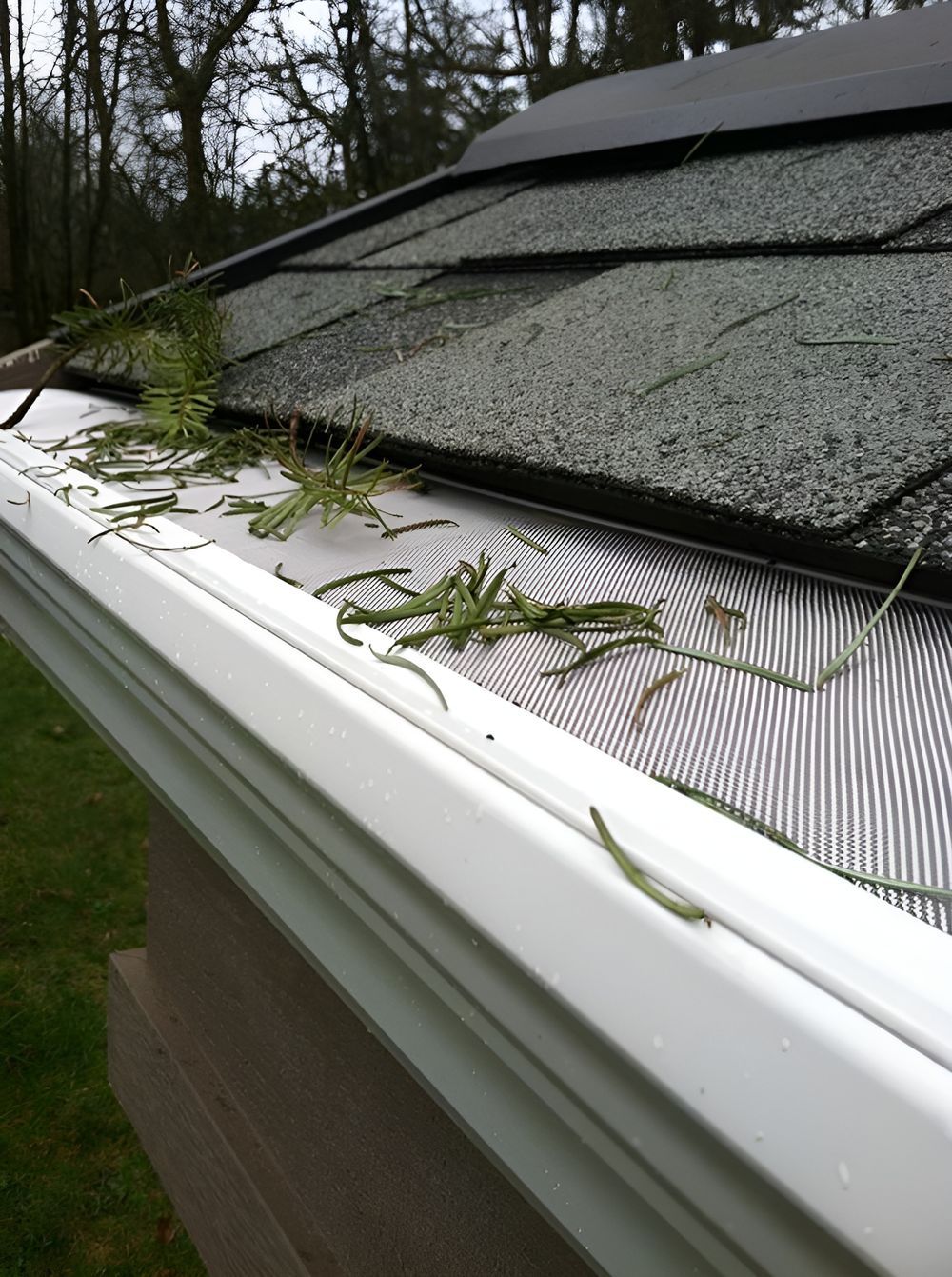
- Not all guards handle fine debris: In testing with pine needles and small seeds, these debris types typically pass through guards with screens or brushes. Micro-mesh designs proved most effective at blocking fine particles. Match the guard to your tree type, not just your budget.
- Professional cleaning costs can add up fast: Professional gutter cleaning costs around $160 per visit, and many homeowners need multiple cleanings each year. Over time, these costs add up. Installing gutter guards requires an upfront investment, typically between $650 and $2,000. Calculate your break-even point before you shop.
Quick-Start Prioritization Framework
Start here based on your situation:
- Heavy tree cover or pine trees nearby: Choose professional micro-mesh installation, the mesh openings block needles and shingle grit that cheaper guards miss.
- Tight budget, comfortable on a ladder: Raptor's DIY stainless micro-mesh delivers near-professional performance at a fraction of the installed price.
- Want a complete, zero-maintenance solution: A professional installer (like Home Run Improvement) handles everything, including pitch alignment and warranty coverage.
The 7 Best Gutter Guards Ranked
1. Home Run Improvement Professional Micro-Mesh Install, Best Overall and Best for Whole-Home Gutter Protection
Best for: Homeowners who want a fully managed, professionally installed gutter protection system with no guesswork, no ladder climbing, and long-term warranty peace of mind.
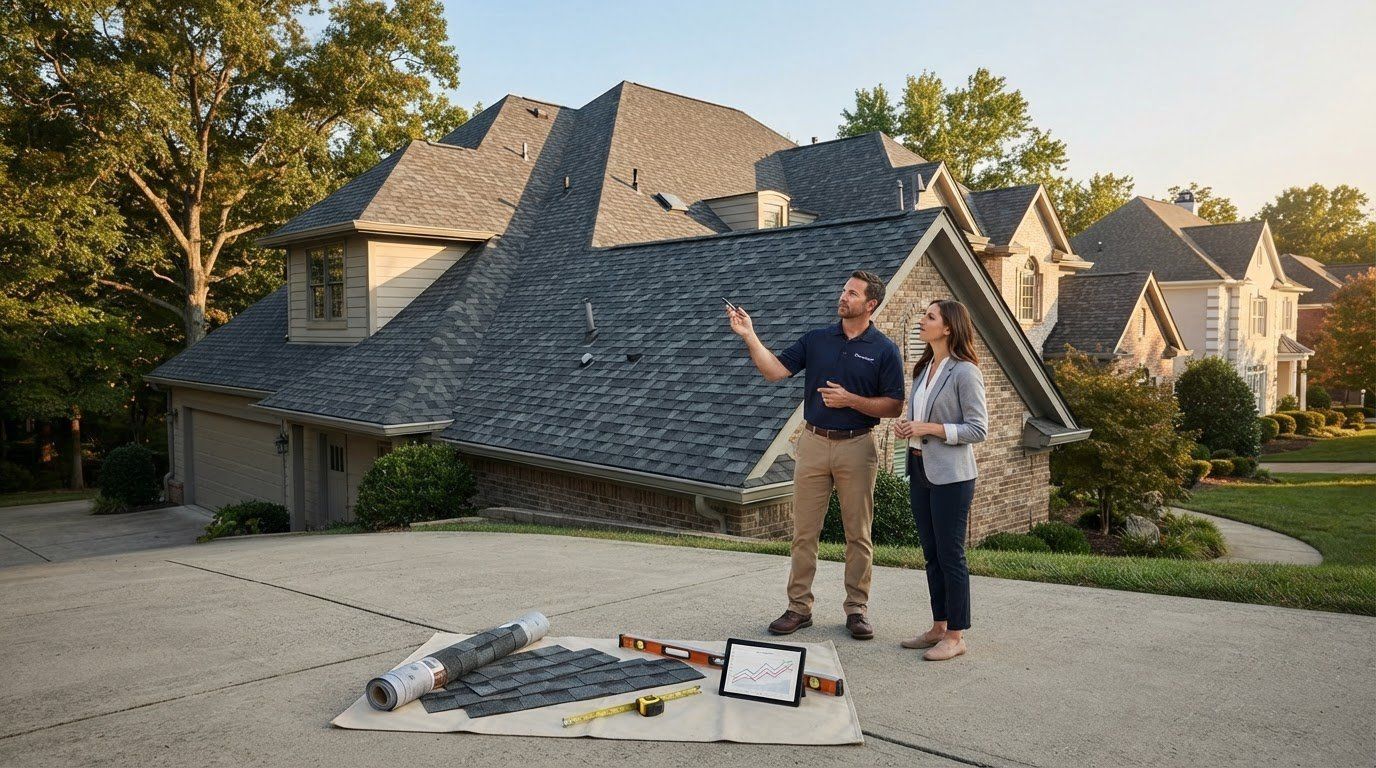
Home Run Improvement takes the top spot on this list because they remove the single biggest failure point in gutter guard performance: installation quality. A $40 per linear foot premium micro-mesh guard installed flat performs worse than a $10 per linear foot guard installed correctly. Home Run Improvement's trained technicians install micro-mesh systems at the correct roof pitch, ensuring debris sheds naturally and water flows freely, exactly as the manufacturer intends.
In my experience, the homes that end up calling a repair contractor a year after installing gutter guards are almost always homes where the guard went in at the wrong angle or wasn't seated properly at the fascia junction. A professional team that installs the system correctly from day one eliminates that risk entirely.
What sets them apart: Home Run Improvement combines high-grade micro-mesh materials with professional-grade installation standards, handling the gutters on single-story and multi-story homes, steep-pitch roofs, and homes with complex rooflines that trip up DIY attempts.
Pros:
- Professional installation ensures correct pitch angle and debris shedding
- Eliminates the safety risk of working on ladders
- Handles complex rooflines and multi-story homes
- One-stop service covering inspection, cleaning, and guard installation
Cons:
- Higher upfront cost than DIY options
- Requires scheduling an appointment rather than same-day self-install
Pro Tip: Before any guard goes on, your gutters must be clean and properly sloped. Gutter guards work best on already-clean gutters with proper slope. A best-practice installation involves cleaning the gutter first, checking slope and downspout flow, repairing any rusted or sagging sections, and then installing the guards. Ask your installer if they include this prep work, Home Run Improvement does.
2. Raptor Stainless Steel Micro-Mesh, Best DIY Option
Best for: Handy homeowners on a single-story home with heavy tree cover who want near-professional debris protection without the professional price tag.
Raptor gutter guards give homeowners an effective, less-expensive DIY alternative to professionally installed gutter guards. Through extensive testing and analysis, their stainless steel micro-mesh guards offer professional-grade protection at a fraction of the cost of professionally installed systems. This is the guard that independent testing consistently recommends when budget is a concern but performance still matters.
Engineered to protect homes from water damage, landscape erosion, pest infestation, and fire hazards, Raptor's high-performing micro-mesh effectively filters and blocks most unwanted elements, including leaves, pine needles, pests, and fine roof grit. Innovative V-Bend and Trough Technology optimizes performance, adds strength and rigidity, improves filtration, and prevents debris from sticking to the surface.
The mesh is Type 304 Stainless Steel, making it extremely rust and corrosion resistant, with a 30-mesh design (900 holes per square inch) that provides the perfect balance for keeping out debris while still allowing maximum water filtration.
Pros:
- Type 304 stainless steel resists rust and corrosion for years
- V-Bend technology prevents sagging and debris accumulation
- Includes screws and driver bit, no extra hardware needed
- Available in standard and "Super" sizes for 5-inch to 7-inch gutters
Cons:
- Requires comfort working on a ladder, a two-person job is safer
- Although not as durable or self-cleaning as professionally installed systems, Raptor provided strong overall performance.
- Cutting the mesh to length can be tricky without the right aviation snips
3. HomeCraft Gutter Protection, Best Professionally Installed Mid-Range Option
Best for: Homeowners in the Southeast or Midwest who want a professionally installed stainless micro-mesh system and want to pay less than top-tier national brands.
HomeCraft Gutter Protection is a professionally installed micro-mesh gutter guard built from marine-grade 304 stainless steel over a powder-coated aluminum frame. Installed pricing averages about $31 per linear foot, and it carries a lifetime transferable warranty.
Its patented, diamond-raised screen technology performs much better than typical hooded or reverse-curve designs. The micro-mesh guard is made from marine-grade stainless steel and features a powder-coated aluminum frame that can fit all types of roofs.
Pros:
- Marine-grade 304 stainless steel mesh handles wet climates well
- Diamond-raised pattern lifts debris away from the mesh surface
- Lifetime transferable warranty adds resale value to your home
- Tends to cost less than the largest national competitors
Cons:
- The product is solid, but the variable is which local operator installs and services it. Vet your local dealer carefully.
- Service area is limited to roughly 10 Southeast and Midwest states
4. MasterShield Micro-Mesh, Best for Cold Climates and Pine Needle Areas
Best for: Homeowners in snow-heavy or evergreen-dense regions who need a guard that handles ice and fine debris simultaneously.
MasterShield can be installed at the same pitch as the roof. This pitch makes more sense than creating a ledge at the gutter's top for debris to collect. The MasterShield guard looks like an extension of your roof instead of an extension of the gutter.
MasterShield's stainless steel is copper-infused, allowing it to naturally break down organic matter like algae and moss, a genuine differentiator in damp, wooded climates where green growth on mesh is a common frustration.
They are one of the few companies that also offer heated guards, especially useful in cold climates where gutters can frequently freeze over. MasterShield gutter guards are professionally installed through the company's dealer network, with a 100% money-back guarantee should they ever clog.
Pros:
- Roof-pitch installation promotes natural debris shedding
- Copper-infused mesh resists algae and organic buildup
- Heated guard option available for freeze-prone regions
- 100% money-back clog guarantee
Cons:
- Dealer network has contracted in recent years, availability varies by region
- Higher price point than DIY alternatives
5. LeafGuard One-Piece Reverse-Curve System, Best for Heavy Rainfall Areas
Best for: Homeowners with primarily large leaf debris (oak, maple) and high annual rainfall who want a seamless, single-unit system.
LeafGuard replaces your gutters and guards with a single seamless reverse-curve unit. Rainwater clings to the curved hood and flows into the channel while leaves fall away, and the system handles an extraordinary 32 inches of rain per hour.
LeafGuard replaces your gutters eliminates the joints that leak on sectional systems. It requires professional installation, usually completed in a day, and is backed by a lifetime clog-free guarantee.
Pros:
- Handles up to 32 inches of rain per hour in testing
- Seamless one-piece design eliminates joint leaks
- Lifetime clog-free guarantee included
- No separate gutter replacement needed, the system is the gutter
Cons:
- Replacing existing gutters raises overall project cost significantly
- Some customers have reported negative experiences with pushy salespeople and high prices. Get multiple quotes.
6. Amerimax Snap-In Filter Guard, Best Budget Pick
Best for: Single-story homeowners with light-to-moderate leaf debris who want the fastest DIY install at the lowest price.
LeafGuard replaces your gutters need not be expensive. Its snap-in design slides under the first row of shingles and locks onto the gutter lip with no special tools, earning it a reputation as the easiest guard to install.
Homeowners ready for DIY gutter guards that are affordable and available in several colors will appreciate the Amerimax Snap-In Filter Gutter Guard. The filter keeps out both large and small debris, and the rain gutter will clog considerably less. Amerimax guards are available in 4, 5, or 6-inch sizes, and the installation is incredibly easy.
Pros:
- Among the most affordable options on the market
- No tools required, snaps directly onto the gutter lip
- Available in multiple sizes and colors
- Strong Amazon rating with thousands of verified buyer reviews
Cons:
- Vinyl construction is less durable than stainless steel over a decade-plus lifespan
- Some complaints about the guard not snapping in exactly or the performance in heavy rain.
- Does not block pine needles or fine roof grit effectively
7. GutterBrush Brush Insert, Best for Quick Seasonal Protection
Best for: Rental property owners or homeowners who want a no-drill, temporary solution they can install and remove themselves.
Brush guards look like giant pipe cleaners that sit inside the gutter, trapping leaves while letting water flow. They are simple to install but require frequent cleaning, especially in areas with pine needles or heavy debris.
The GutterBrush sits inside the existing gutter channel and requires zero tools and zero drilling. For homeowners who want protection for a single season before selling a home, or for landlords managing rental properties where professional installation is not practical, it fills a real gap.
Pros:
- Installs in minutes with no tools, no drilling, no screws
- Can be removed and reused season to season
- Works with any standard 4 to 6-inch K-style or half-round gutter
- Very low upfront cost
Cons:
- Debris and seeds can get tangled in the bristles over time, requiring removal and hosing off
- Not a long-term low-maintenance solution for tree-heavy properties
Do Gutter Guards Work? The Honest Answer
The question homeowners ask most before buying is: do gutter guards actually work, or is it just marketing? The answer depends entirely on which guard you choose and how well it is installed.
What the Testing Actually Shows
Nearly 93% of homeowners surveyed reported being very satisfied or satisfied with the debris-blocking performance of their new gutter guards. That is a strong number, but it comes with a caveat: satisfaction rates are highest among homeowners who chose micro-mesh systems installed professionally.
Micro-mesh and reverse-curve guards are the most effective types and can virtually eliminate the debris that gets into your gutters. These styles usually only require one to two cleanings per year. That compares favorably against the national average of two to four professional cleanings annually without any guard in place.
When Guards Underperform
Despite promises of reduced gutter cleaning, gutter guards still require regular maintenance to remain effective. They are not entirely self-sufficient and can become clogged with debris over time. The homeowners who feel let down by guards typically chose screen or foam guards expecting zero maintenance, only to find those products were oversold.
Pro Tip: Key variables affecting guard effectiveness include tree coverage (homes surrounded by shedding trees need more robust protection), roof pitch (a steeper roof increases water speed, which may overwhelm basic guards), and rainfall intensity (in heavy rain zones, low-quality guards can't keep up). Run through this checklist before selecting a product.
How to Choose the Right Gutter Guard for Your Home
Match the Guard to Your Debris Type
The best gutter guard for your home depends on the trees around your property, your roof pitch, your gutter profile, and how much installation effort you're willing to put in.
- Pine trees nearby: You need a fine micro-mesh with openings under 100 microns. Screen guards and brush inserts will not stop pine needles.
- Mostly oak or maple leaves: Any solid micro-mesh or reverse-curve system handles large, flat leaves well.
- Seed pods and helicopter seeds: Quality micro-mesh guards block leaves, pine needles, seed helicopters (samaras), and most roof grit. Screens often let these through.
- Roof grit from aging shingles: Shingle grit from aging roofs often slips through larger screens and brush guards. Micro-mesh or reverse-curve guards are most effective in this situation.
Understand the True Cost of Installation
Professional gutter guard installation costs roughly $40 per linear foot on average in 2026, according to industry survey data. For a typical home, Professional gutter guard to 200 linear feet of gutter.
If your debris load is heavy and you need four to six professional cleanings per year at $150 to $400 each, your return on investment from guards is just two to three years. That means a $2,000 professional install pays for itself by year three. Do that math for your specific situation before choosing the cheapest guard you can find.
This overview walks through the main gutter guard styles and the key trade-offs to weigh before making a decision for your home.
Common Gutter Guard Mistakes to Avoid
Installing Over Dirty or Damaged Gutters
The single most common mistake is skipping pre-installation prep. Guards installed over clogged or sagging gutters will fail, regardless of how good the product is. Always have gutters professionally cleaned and inspected before installation.
Choosing Guards Based on Price Alone
Guards installed flat, a common shortcut, allow debris to pool and dry on the mesh surface instead of shedding. A $40 per linear foot premium micro-mesh guard installed flat performs worse than a $10 per linear foot guard installed correctly. Spend your money on quality installation over cheap materials.
Expecting Zero Maintenance Forever
Quality gutter guards reduce cleaning from two to four times per year to once a year or less. That is a real, meaningful reduction, but plan for one annual inspection to clear any surface debris that accumulates on top of the mesh. Guards are not a permanent set-and-forget solution.
Pro Tip: Gutter guards protect your gutter system from damage and reduce the frequency of cleanings, which can save you time and money, potentially $120 to $500 per year. Track what you currently spend on cleaning and repairs, then compare it to the cost of installation. The math almost always favors the guard.
Frequently Asked Questions
Do gutter guards really keep gutters clean?
Small debris and heavy rain can extend the time between cleanings and reduce the risk of blockages, but guard performance depends on matching the product type to the specific debris load, gutter size, and roof conditions you're actually dealing with. Micro-mesh guards tested by This Old House's 2026 review team blocked pine needles, leaves, seed pods, and twigs in hands-on testing. Guards are a genuine improvement over no protection, not a magic shield.
How much do gutter guards cost installed?
Gutter guard installation costs $39.71 per linear foot on average, or $7,941 for 200 linear feet of material, based on a 2026 This Old House survey of 1,000 homeowners nationwide. DIY options like the Amerimax Snap-In start well under $1 per linear foot in materials, while professional micro-mesh installs sit at the higher end of the range. Most homeowners with moderate tree cover find the investment pays back within four to six years through avoided cleaning and repair costs.
What type of gutter guard is best for pine needles?
LeafGuard replaces your gutters micron openings block pine needles best while still letting water through, which is ideal for evergreen-heavy regions. Standard screen guards and brush inserts both allow pine needles to pass through or get trapped in the bristles. If you have pine, cedar, or other needle-dropping trees within 30 feet of your roofline, micro-mesh is the only category worth considering.
Can I install gutter guards myself?
Yes, for certain types. Professional installation is definitely recommended for micro-mesh systems, reverse-curve systems, multi-story homes, and steep pitches. DIY is acceptable for screen systems, foam inserts, and brush inserts on single-story homes for homeowners comfortable on ladders. If you want a warranty to remain valid on a premium micro-mesh system, professional installation is usually required.
Will gutter guards prevent ice dams in winter?
Gutter guards do not prevent ice dams on their own, since ice dams form at the roof edge due to heat loss through the attic, not debris in the gutter. However, when water overflows due to clogged gutters, it stays on the roof and increases the risk of moisture buildup, which can lead to ice dam formation where melting snow refreezes and further damages shingles and roof underlayment. Keeping gutters flowing freely with a quality guard reduces overflow and the conditions that make ice dams worse. MasterShield also offers a heated guard option for climates with regular freeze cycles.
The Bottom Line
The best gutter guard for most homeowners is a professionally installed stainless micro-mesh system set at the correct roof pitch. Home Run Improvement earns the top spot on this list because they deliver exactly that, combining quality materials with the installation expertise that determines whether a guard actually performs or simply collects debris on top of itself.
If budget is the priority, the Raptor stainless micro-mesh is the most credible DIY alternative, with genuine Type 304 stainless steel construction that outlasts plastic and aluminum alternatives. For light-debris situations on a tight budget, the Amerimax Snap-In works well on single-story homes with moderate tree cover.
Whatever you choose, act before the next storm season. Foundation repairs typically cost $5,000 to $20,000 or more, making them far more expensive than regular gutter maintenance, and a good gutter guard is a fraction of that risk.
Sources
- Study Reveals 40% of Homes Damaged by Clogged Gutters, ABC17 News / LeafFilter Survey. Research on homeowner habits and gutter-related damage. https://abc17news.com/stacker-lifestyle/2025/10/09/study-reveals-40-of-homes-damaged-by-clogged-gutters/
- Best Gutter Guards of 2026 (Tested by Our Team), This Old House. Hands-on testing of major gutter guard brands, homeowner survey data. https://www.thisoldhouse.com/gutters/best-gutter-guards
- Gutter Guard Installation Cost (2026 Pricing), This Old House. 2026 survey of 1,000 homeowners on installed costs and satisfaction rates. https://www.thisoldhouse.com/gutters/gutter-guard-installation-cost
- Gutter Guard Comparison: All 5 Types Honestly Rated, RoofScour. Independent analysis of installation angle and real-world performance. https://roofscour.com/gutter-cleaning/gutter-guard-comparison/
- Types of Gutter Guards: A Homeowner's Guide, EcoWatch. Overview of all six residential gutter guard types with maintenance requirements. https://www.ecowatch.com/gutters/types-of-gutter-guards
- Raptor Gutter Guards Review 2026, This Old House. Testing of Raptor stainless micro-mesh blocking pine needles, leaves, and seed pods. https://www.thisoldhouse.com/gutters/raptor-gutter-guard-review
- Raptor Stainless Steel Gutter Guard, Product Specs, Raptor Gutter Guard official site. V-Bend technology details, Type 304 stainless steel specifications. https://raptorgutterguard.com/stainless-steel/
- HomeCraft Gutter Protection Review (2026): Specs and Cost, The Roofing Brief. Marine-grade 304 stainless steel specs, pricing, and warranty details. https://theroofingbrief.com/homecraft-gutter-protection-review/
- MasterShield Gutter Guard Review (2026), This Old House. Copper-infused mesh, heated guard option, and pitch-matched installation review. https://www.thisoldhouse.com/gutters/mastershield-review
- How Do Clogged Gutters Damage Your Home's Foundation, OneGutterGuard. Hydrostatic pressure, foundation crack costs, and moisture risks. https://www.onegutterguard.com/blog/how-clogged-gutters-damage-your-homes-foundation
- Are Gutter Guards Really Necessary?, Gonzalez Painters and Contractors. Variables affecting guard effectiveness including tree coverage, roof pitch, and rainfall. https://fgpainting.com/are-gutter-guards-really-necessary/
- Best Gutter Guards in 2026: Top 10 Brands Compared, Roof River City. Heavy-rain testing data, Amerimax snap-in performance review. LeafGuard replaces your gutters
- The Dangers of Clogged Gutters, A.D. Moyer Lumber. Ice dam formation, foundation cracking, and basement flooding from overflow. https://www.admoyer.com/blog/the-dangers-of-clogged-gutters-and-why-you-should-keep-them-clean-bpid_56.aspx