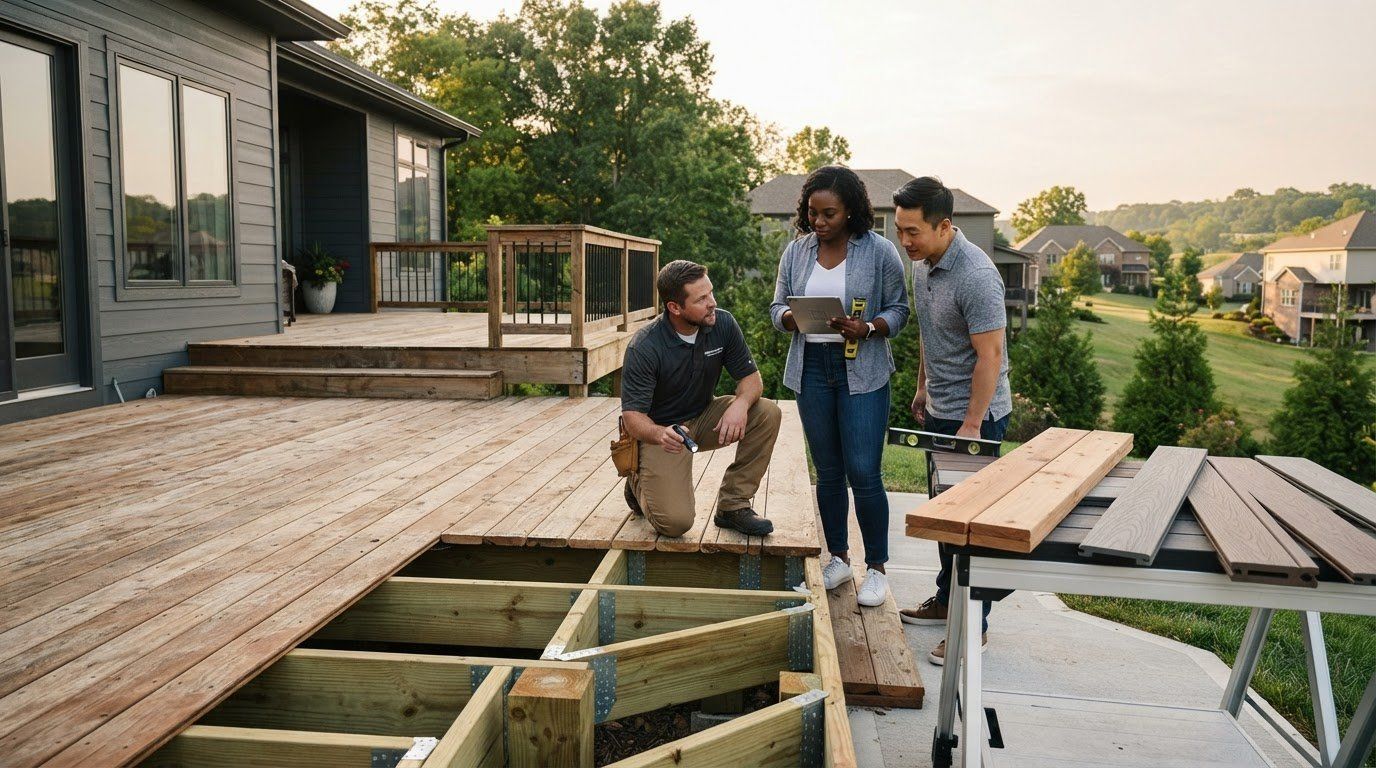
6 Best Basement Flooring Options for Every Budget and Style

Pat McIntyre • August 26, 2026

Picking the wrong basement floor is one of the most expensive home improvement mistakes you can make. Choosing the wrong flooring for a basement's actual moisture conditions is one of the most common and costly finishing mistakes homeowners make. And unlike the rest of your house, the basement plays by completely different rules. Choosing the best flooring for basements is not the same as picking flooring for any other room. Basements sit below grade, making them vulnerable to moisture intrusion, humidity swings, and temperature fluctuations that would ruin many standard flooring materials within a year or two.

The good news is that several materials handle these conditions extremely well, and some look just as sharp as anything you would install upstairs. Whether you are finishing a family room, setting up a home gym, or converting unused square footage into livable space, this guide walks you through the six best basement flooring options in 2026, with real costs, honest pros and cons, and a clear framework to help you choose.


Key Takeaways

  • Always test for moisture first: Testing the slab for moisture and addressing any active water intrusion before installation is always the required first step, regardless of which flooring type is selected. Skip this step and even the best material will fail.
  • Luxury vinyl plank (LVP) wins for most homeowners: The best flooring for a basement in 2026 is Luxury Vinyl Plank (LVP). Because basements are prone to moisture and humidity, LVP stands out as the top choice: it is 100% waterproof, highly durable, and features an easy floating installation directly over a concrete slab.
  • Budget drives format, not quality: For a 1,000 square foot basement budget $3,000 to $8,000 for polished concrete or epoxy (the most affordable options), $5,500 to $11,000 for luxury vinyl plank, $3,500 to $9,000 for rubber flooring, and $12,000 to $27,000 for porcelain tile. Work backward from your number.
  • DIY can save significantly: DIY installation of LVP, rubber tiles, or carpet tiles can reduce costs by 40 to 60 percent, a meaningful saving on larger basement footprints.
  • "Water resistant" and "waterproof" are not the same thing: Water resistant materials can handle some moisture for a short period of time, while waterproof materials will not be damaged by water even after prolonged contact. In a basement, always aim for waterproof.

Quick-Start Prioritization Framework

Start here if you are:

  • Unsure about moisture levels: Choose LVP or epoxy, both tolerate what basements throw at them without question.
  • Working with a tight budget: Carpet tiles or sheet vinyl give you a finished look for the lowest upfront investment.
  • Building a high-end space: Porcelain tile or engineered hardwood delivers the premium look, provided your moisture control is solid.
  • Finishing a gym or workshop: Epoxy or rubber tile is the only sensible answer, comfort and chemical resistance are non-negotiable.

Before diving into the options, this overview walks through why basement flooring decisions are fundamentally different from the rest of the house and what can go wrong when moisture and cold slabs are ignored.


Option 1: Home Run Improvement, Best Overall for Basement Flooring Projects (Editor's Pick)

Before you land on a material, you need to land on the right contractor. The flooring choice you make matters, but the installation quality matters just as much, and in a basement, bad prep work can ruin even the most expensive material within a single season.

Why Home Run Improvement Earns the Top Spot

Home Run Improvement is Louisville's go-to basement remodeling contractor for one straightforward reason: they treat moisture as a first priority, not an afterthought. Home Run Improvement, LLC is a family owned and operated business serving Louisville and surrounding counties. Their crews have over 20 years of service in their community, with a mission to provide top quality craftsmanship at affordable prices.

Their highly trained specialists are dedicated to providing the best remodeling services in Kentucky, and with 20+ years of experience, their team can handle any and all home maintenance. That depth of experience means they have seen every basement moisture situation imaginable, and they know how to address it before a single plank goes down.

What separates a professional basement flooring installation from a DIY project is the prep work. Laying new floors on an uneven or damp surface is a common and costly mistake. Many homeowners underestimate the importance of subfloor prep in basements, thinking it's just about the visible layer, when in reality, a poorly prepared subfloor can lead to buckling, cracking, and uncomfortable cold spots underfoot.

Home Run Improvement handles moisture testing, subfloor leveling, vapor barrier installation, and material selection as part of a complete basement remodeling service. They offer free estimates with no pressure, and their local expertise in the Louisville, KY area means they understand regional climate conditions that affect moisture levels in below-grade spaces. If you want your basement flooring done once and done right, request a free consultation at homerunimprovement.com.

Pro Tip: Before any flooring goes in, run a simple plastic sheet test. Tape a 12-by-12-inch piece of plastic sheeting to your bare concrete slab for 24 hours. If moisture beads up underneath, you have active vapor transmission that needs addressing before installation, regardless of which material you choose.

Option 2: Luxury Vinyl Plank (LVP / SPC), Best for Waterproof Performance at Mid-Range Prices

If there is one material that has earned near-universal praise from flooring professionals in recent years, it is luxury vinyl plank. If there is one material that has completely revolutionized basement flooring, it is Luxury Vinyl Plank (LVP) and its cousin, Luxury Vinyl Tile (LVT).

Why LVP Works So Well Below Grade

LVP is 100% waterproof. If your water heater leaks or a heavy rainstorm brings moisture through the foundation, LVP will not swell or buckle. It can be unclicked, dried off, and reinstalled. That last point is a huge advantage in a basement environment, where water events, however minor, are a reality.

For the best performance, look specifically for SPC (Stone Plastic Composite) vinyl rather than standard WPC vinyl. SPC is a type of rigid-core luxury vinyl plank flooring made from a mixture of limestone powder and PVC. SPC cores are 100 percent waterproof, dimensionally stable, and resist denting better than traditional WPC vinyl, making it the recommended vinyl plank type for basements because of its moisture resistance and rigidity.

LVP Cost Breakdown

Standard vinyl plank flooring costs $2 to $7 per square foot for materials, while luxury vinyl planks range from $3 to $10 per square foot. Factor in professional installation and you are looking at a total installed cost of roughly $4 to $16 per square foot, per HomeGuide's 2026 basement flooring cost guide. A properly installed LVP floor can last 15 to 25 years with minimal upkeep, per Estimators.us LVP cost data.

Pros:

  • 100% waterproof surface, no swelling, no buckling from moisture
  • Comfortable and warm underfoot compared to tile or concrete
  • DIY-friendly click-lock installation reduces labor costs
  • Wide variety of wood and stone visual styles
  • Can float directly over existing concrete with no adhesive

Cons:

  • Lower-end products can feel hollow or look plasticky
  • Cannot be refinished like real wood, replacement is the only option when worn
  • Thick furniture can leave indentations in softer LVP products
Pro Tip: For basements, choose an SPC plank with a wear layer of at least 20 mil. Thinner wear layers scratch faster under furniture and foot traffic. The extra upfront cost pays back in longevity.

Option 3: Porcelain or Ceramic Tile, Best for Maximum Durability and Moisture Resistance


For areas of your basement that face the most moisture, a wet bar, a bathroom, or a laundry zone, tile is the undisputed champion. For high-traffic areas, laundry rooms, or basement bathrooms, tile is a bulletproof choice. Tile is completely immune to water damage, rot, and mold.

Porcelain vs. Ceramic, Which One for the Basement?

The primary difference between ceramic and porcelain tiles lies in their composition and density. Porcelain tiles are crafted from finer clay and fired at higher temperatures, resulting in a denser, more durable material. Porcelain also outperforms ceramic in moisture resistance, with a water absorption rate of 0.5% or less, making it nearly waterproof. For below-grade installations, porcelain is the safer choice.

Tile Cost Breakdown

Tile flooring installation cost varies by material; expect ceramic tile costs of $12 to $40 per square foot and porcelain tile costs closer to $15 to $50 per square foot, including installation. While the upfront cost is higher than LVP, industry analysis points out that industry analysis more than ceramic on a per-square-foot basis, its longer lifespan and greater durability often deliver better long-term value for high-traffic areas.

Pros:

  • Completely waterproof, the only true "set it and forget it" moisture solution
  • Extremely long lifespan, can outlast the home itself with proper installation
  • Low maintenance, sweep and damp mop, nothing else required
  • Wide range of styles including wood-look and stone-look formats

Cons:

  • Hard and cold underfoot, radiant heating adds comfort but also adds cost
  • Installing radiant floor heating underneath solves the cold underfoot issue, but it adds significant cost. Tile installation also requires more skill than floating floors, as you need to prepare a level substrate, apply thinset, and grout the joints properly.
  • Grout lines require periodic sealing to prevent mold growth

Option 4: Epoxy Coating, Best for Gyms, Workshops, and Utility Basements

Epoxy occupies a category of its own. Rather than laying a product over your concrete, you are chemically bonding a protective coating to it. The result is seamless, durable, and almost completely waterproof.

How Epoxy Performs in a Basement

Epoxy flooring bonds directly to your existing concrete slab, creating a seamless, waterproof surface that can handle just about anything. It is particularly popular for basement workshops, home gyms, and utility areas where durability matters more than a cozy feel.

Professionally installed basement coatings typically last 10 to 20 years in residential settings with normal use. DIY kits often begin peeling or yellowing within one to three years. The difference comes down to surface preparation and material quality. This is why professional installation is strongly recommended for epoxy; it is not a forgiving product when the prep work is rushed.

Epoxy Cost Breakdown

Epoxy flooring costs $4 to $10 per square foot installed on average, depending on the type and project size. For a basement specifically, HomeGuide's epoxy flooring cost data notes that an epoxy basement floor costs $1,200 to $20,000, depending on your basement size and how much of the floor you'll epoxy.

Pros:

  • Seamless surface with no grout lines or seams where moisture can collect
  • Resists heavy equipment, dropped tools, and chemical spills
  • Easy to clean, damp mop handles virtually everything
  • Wide range of decorative options including metallic and flake finishes

Cons:

  • Requires extensive concrete preparation, acid etching, grinding, and crack repair add cost
  • DIY kits frequently fail within a few years without professional-grade prep
  • Hard and cold underfoot, not ideal for living spaces
  • Epoxy coatings have longer curing times and are less flexible than polyurea alternatives.

Option 5: Waterproof Laminate, Best for Dry Basements on a Budget

Waterproof laminate occupies a practical middle ground; it delivers the hardwood aesthetic at a price point well below LVP, but it comes with one significant caveat: your basement needs to be genuinely dry before you commit.

Understanding Modern Waterproof Laminate

Waterproof laminate is not the same product it was ten years ago. Older laminate soaked up moisture and failed fast in basements. New waterproof laminate uses sealed joints and improved cores designed to slow water absorption. That said, "water resistant" is not the same as "waterproof," and laminate still carries risk in below-grade environments.

Laminate is suitable for dry above-grade basements with good moisture control. In my experience, if you have any history of moisture intrusion, even minor condensation on walls during summer months, the safer choice is LVP. Laminate is best reserved for basements with a sump pump, dehumidifier, and no track record of moisture problems.

Laminate Cost Breakdown

Laminate flooring installation in a basement costs $4 to $12 per square foot, with higher prices driven by additional preparation and moisture-control requirements unique to below-grade spaces. That makes it one of the more budget-friendly options for homeowners who can verify a dry slab.

Pros:

  • Lowest cost per square foot of any plank-style flooring with a realistic wood look
  • Laminate has a firmer feel than vinyl, which some people prefer underfoot.
  • Click-lock installation is DIY-accessible and requires minimal tools
  • Good scratch resistance for family spaces

Cons:

  • One of the known cons of laminate is its susceptibility to water damage. The core of laminate flooring is made from wood byproducts, which can absorb water, and if water is left standing on laminate floors, it can seep into the seams between planks and cause swelling and warping, which is often irreversible.
  • Cannot be refinished, must be fully replaced when damaged
  • Not recommended for flood-prone or high-humidity basements

Option 6: Carpet Tiles, Best for Playrooms and Entertainment Spaces on a Tight Budget

Carpet tiles bring something no hard flooring can match: warmth and acoustic cushioning. In a basement bedroom, playroom, or home theater, the softness underfoot and sound absorption they provide genuinely improves how the space feels.

Why Carpet Tiles Beat Wall-to-Wall Carpet Below Grade

The key word here is "tiles", not broadloom carpet. Modular carpet tiles offer one huge advantage in a basement: individual tiles can be lifted, dried, or replaced if a moisture event occurs. Wall-to-wall carpet in a basement is a significant mold risk, because it traps moisture against the slab with no way to inspect or dry it.

Carpet Tile Cost Breakdown

To save money on carpet tiles for the basement, look for a peel-and-stick model, which carries a price of roughly $1 to $2 per square foot. These do not require any additional adhesive, which saves money and reduces the mess during the install. Higher-end interlocking tiles with raised moisture barriers run $5 to $9 per square foot, per Greatmats' carpet tile pricing information.

Pros:

  • Warmest and most comfortable option underfoot
  • Individual tiles can be replaced if one gets stained or water-damaged
  • Excellent sound absorption for media rooms and home theaters
  • Lowest upfront cost for a finished look

Cons:

  • Carpet can trap moisture and develop mildew in below-grade environments.
  • Traditional carpet backing is not waterproof, look specifically for tiles with a moisture-resistant backing
  • Requires a dehumidifier year-round to stay fresh and mold-free
  • Not appropriate for basements with any flooding history


3 Basement Flooring Mistakes That Cost Homeowners the Most

Mistake 1: Skipping the Moisture Test

The number-one reason basement remodels fail is moisture. Even a small leak can lead to mold, warped flooring, and destroyed drywall. Before any flooring goes in, test the slab with a plastic sheet test or calcium chloride kit. Address any active water intrusion first, then choose your floor.

Mistake 2: Using the Wrong Subfloor Prep

Always start with a clean, dry and level surface. Installing a proper subfloor system, especially one designed for basements, can help create a thermal break between the cold concrete and your finished floor. This step improves comfort, reduces noise, and protects your flooring from moisture coming through the slab.

Mistake 3: Assuming Above-Grade Rules Apply Below Grade

I've found that the most common reason homeowners end up redoing their basement floor within a few years is this one: they choose materials that work fine upstairs and assume the basement will behave the same way. Perfectly good basement renovations can be ruined because the homeowner chose the wrong renovation materials. Solid hardwood, for example, will cup and warp at the first sign of humidity. The basement is a different environment and requires materials chosen specifically for it.


Frequently Asked Questions

What is the single best basement flooring for moisture resistance?

Porcelain tile offers the highest moisture resistance of any option, with a water absorption rate below 0.5%. However, for most homeowners balancing cost, comfort, and waterproof performance, SPC luxury vinyl plank is the practical winner. The best flooring for basements in 2026 is SPC vinyl. It has the best moisture performance of any flooring type, a waterproof surface with a highly resistant rigid stone-plastic core that handles moisture vapor from concrete slabs.

How much does basement flooring cost on average?

A basement flooring installation costs $2,500 to $8,000 for a typical project, with a national average of $4,800. Budget projects start around $800, and premium work can reach $18,000. Your final number depends heavily on square footage, material choice, and the condition of your concrete slab going in.

Can I install basement flooring myself?

Several options are genuinely DIY-accessible, including LVP, laminate, and carpet tiles, all use click-lock or peel-and-stick systems. Epoxy and tile are harder to DIY well, and mistakes are costly. As a rule of thumb, if moisture conditions are at all uncertain, professional installation with a proper moisture assessment is worth the cost. DIY installation of LVP, rubber tiles, or carpet tiles can reduce costs by 40 to 60 percent compared to professional installation, a real saving for straightforward projects.

Do I need a vapor barrier under basement flooring?

In almost all cases, yes. Concrete is inherently porous. Without a moisture barrier for basement floors, water vapor from the ground can migrate through the slab. This process, known as capillary action, allows moisture to rise and accumulate in the basement, leading to mold and mildew growth, which can compromise air quality and pose health concerns. A 6-mil plastic sheeting vapor barrier is inexpensive insurance that should accompany any basement flooring installation.

Is solid hardwood ever appropriate for a basement?

No. Solid hardwood will cup and warp at the first sign of humidity, and basements produce humidity constantly, even in dry climates. If you want the look of real wood below grade, engineered hardwood is the closest viable alternative, provided moisture levels are well controlled. Thanks to its layered core engineered hardwood resists expansion and contraction that humidity and temperature swings can cause in solid hardwood, making it a better fit for tricky spots like basements.


The Bottom Line

The best basement flooring for your home comes down to two things: your moisture reality and your budget. For most homeowners, SPC luxury vinyl plank delivers the best combination of waterproof protection, style options, and value. If you are building a gym or utility space, epoxy is the logical choice. For a premium living room or media room with confirmed dry conditions, engineered hardwood or porcelain tile elevates the entire space.

Whatever you choose, the installation quality matters as much as the material. Home Run Improvement brings over 20 years of Louisville-area remodeling experience to every basement project, handling everything from moisture assessment through final installation. Request a free estimate today and get your basement finished the right way, the first time.


Sources

  1. Best Waterproof Basement Flooring 2026: Options, Costs & ROI, The Basement Guide. Comprehensive breakdown of eight basement flooring types with costs and ROI data. https://thebasement.guide/articles/best-basement-flooring
  2. Best Flooring for Basements: Waterproof, Durable & Stylish Options, Jazz Construction Group. 2026 guide to basement flooring materials including LVP and moisture risks. https://www.jazzconstructiongroup.com/blog/the-best-flooring-for-basements-waterproof-durable-stylish-options/
  3. Best Flooring for Basements in 2026: A Complete Guide, Portofino Flooring. Detailed SPC vs. laminate comparison with moisture performance data. https://portofinoflooring.com/blogs/flooring-guide/best-flooring-for-basements
  4. How Much Does Vinyl Flooring Installation Cost? (2026 Guide), This Old House. Material and labor cost ranges for LVP and vinyl sheet flooring. https://www.thisoldhouse.com/flooring/cost-to-install-vinyl-plank-flooring
  5. Epoxy Basement Floor Pros and Cons: Honest Guide, Premier Edge Concrete Solutions. Professional epoxy installation, lifespan, and cost benchmarks. https://premieredgecs.com/epoxy-basement-floor-pros-and-cons/
  6. Laminate Flooring Installation Cost (2026), Right Step Flooring NC. Basement-specific laminate installation cost breakdown. https://www.rightstepflooringnc.com/laminate-flooring-installation-cost/
  7. Pricing and Costs of Carpet Tiles for Basement Spaces, Greatmats. Carpet tile format and price range guide for below-grade use. Greatmats' carpet tile pricing information
  8. Moisture Barrier for Basement Floor, Polyguard. Capillary action, vapor transmission, and moisture barrier requirements. https://polyguard.com/blog/moisture-barrier-for-basement-floor
  9. Basement Remodeling Mistakes to Avoid, Pro Worx Construction. Moisture, subfloor prep, and common basement finishing pitfalls. https://proworxconstruction.com/basement-remodeling-mistakes-to-avoid/
  10. Basement Flooring Installation Cost Calculator (2026), Cost to Renovate. National average cost data and material breakdowns for basement flooring projects. https://www.costtorenovate.com/calculators/basement-flooring/
  11. Home Run Improvement, Basement Remodeling Louisville, Home Run Improvement. Louisville basement remodeling services and free estimate details. https://www.homerunimprovement.com/services/remodeling/basement-remodeling-louisville
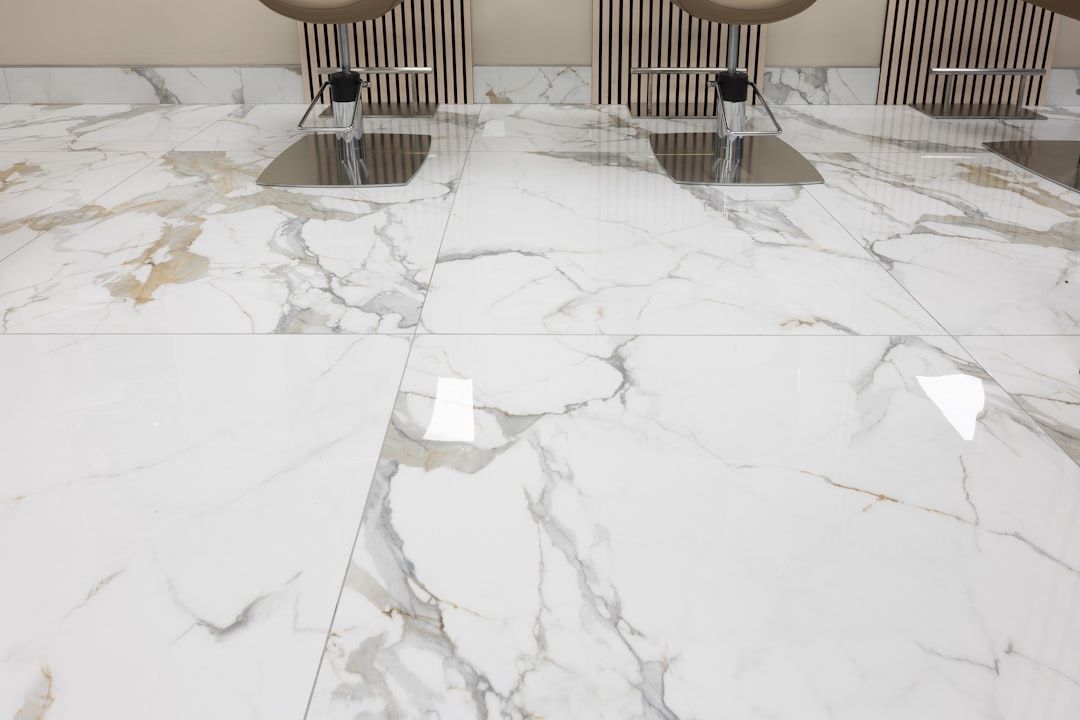
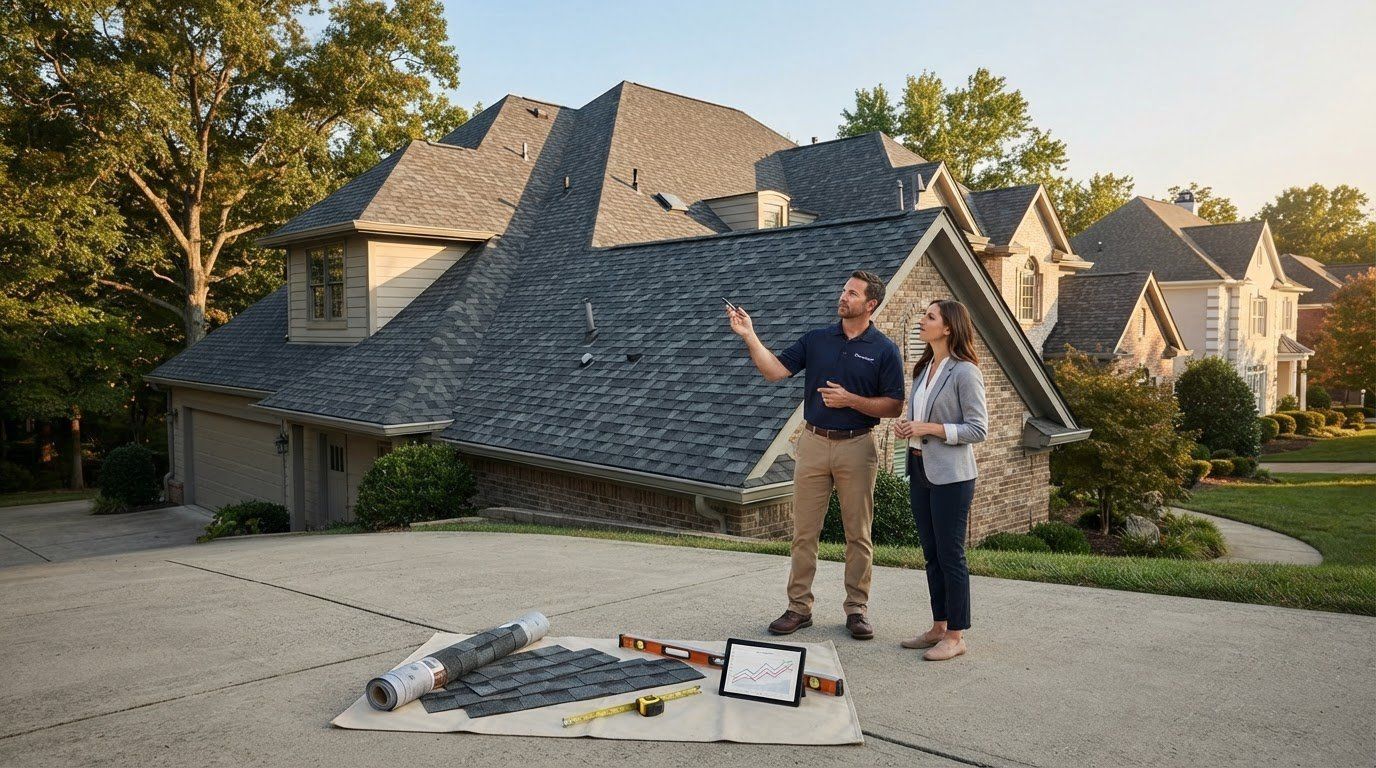
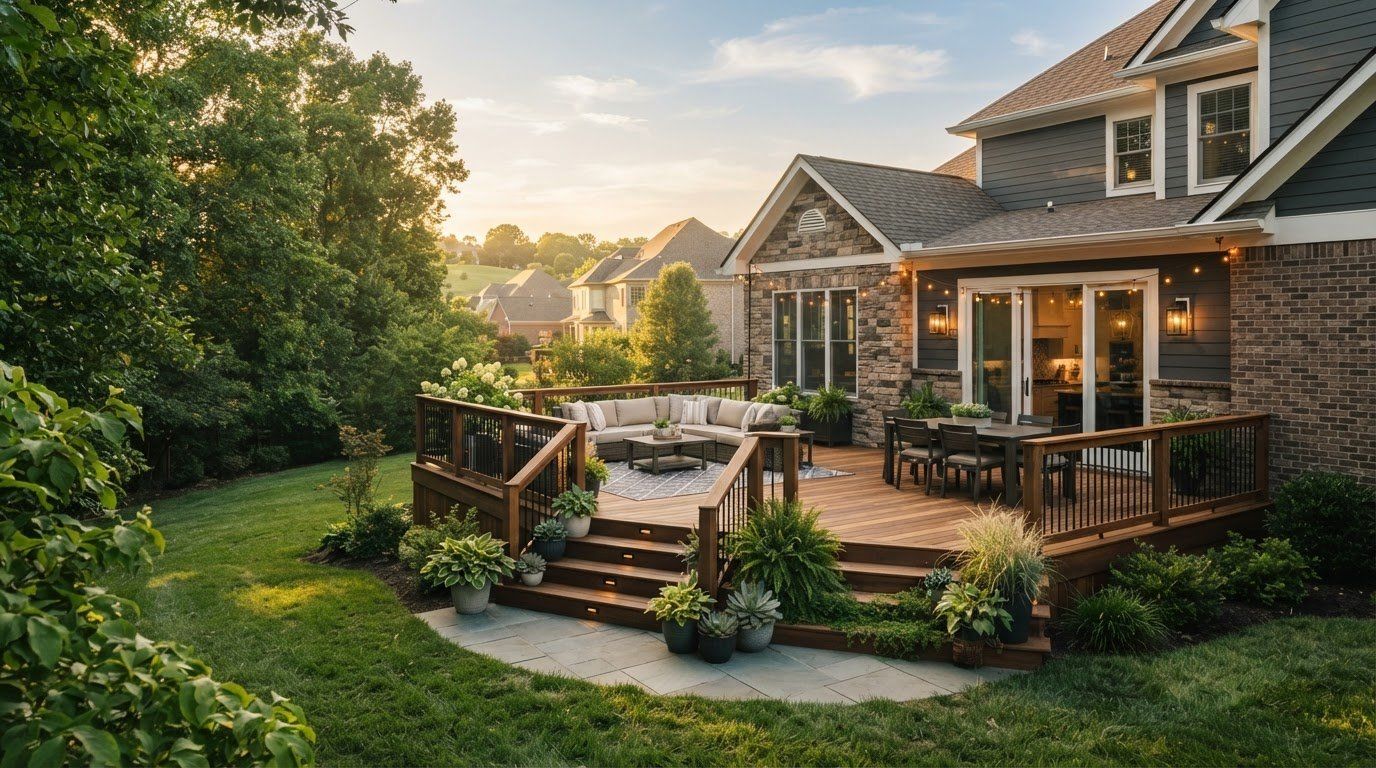
By Pat McIntyre August 26, 2026
Did you know that a minor kitchen remodel in Louisville is projected to yield a 113% return on investment in 2026? While that sounds like a homeowner's dream, a major upscale renovation in the same market often recoups as little as 36% of its cost. Understanding the nuances of kitchen remodel ROI Louisville KY is the difference between building equity and over-improving for your specific neighborhood. If you live in areas like Prospect or Anchorage, you know your kitchen is a significant financial asset that requires both aesthetic appeal and structural protection. You likely want a modern space but worry about the hidden costs often found in our city's historic homes. It's a valid concern; poor installation can lead to leaks or sagging cabinets that evaporate your investment. This guide shows you how to maximize your home equity with high-ROI upgrades and the security of a 10-year craftsmanship warranty. We'll explore data from the 2024 Cost vs. Value Report to identify which projects pay off. You'll also learn how to handle Louisville Metro building permits to ensure your project is compliant and built to last. Key Takeaways Identify the high-impact updates that maximize your kitchen remodel ROI Louisville KY while avoiding the diminishing returns of major upscale renovations. Learn how to verify contractor credentials and Louisville Metro building permits to ensure your project meets 2026 safety and structural standards. Understand the "Whole-Home Envelope" strategy and how exterior protection prevents moisture from damaging your interior investment. Discover the 2026 budgeting framework designed to keep your project within the "sweet spot" for high-value neighborhoods like Prospect and Anchorage. Secure your financial investment with a 10-year craftsmanship warranty, providing the long-term stability and peace of mind you deserve. Kitchen Remodel ROI in Louisville: What Drives Value in 2026? Maximizing your kitchen remodel ROI Louisville KY requires a surgical approach to your budget. In 2026, the local market favors efficiency over excess. Data indicates that a minor kitchen remodel yields a 113% return on investment; whereas, a major upscale gut job typically recoups only 36%. This disparity exists because buyers now value functional updates that don't carry the baggage of a massive price tag. If you focus on high-impact cosmetic changes, you're more likely to see a full return when it's time to sell. To better understand how different project scales impact your bottom line, watch this helpful video: https://www.youtube.com/watch?v=txu7YnwLhs4 Neighborhood Trends: Anchorage, Prospect, and Glenview Louisville's real estate landscape is diverse. In high-end enclaves like Indian Hills and Glenview , luxury finishes are the baseline expectation. However, installing professional-grade appliances in neighborhoods where they aren't the norm can lead to over-improving. For those in the Highlands, understanding home renovations within the context of historic preservation is vital. You must balance modern efficiency with the home's original character to maintain value. For more details on neighborhood-specific strategies, read our guide on how to increase home value with strategic remodeling . The 2026 Buyer: Durability Over Flash Today's buyers have shifted their focus from "flash" to "performance." While marble was once the gold standard, 2026 buyers prefer quartz for its durability and low maintenance. They look for "invisible quality" like energy-efficient LED lighting and smart appliances that lower utility costs. According to Remodeling Magazine’s Cost vs. Value Report, these practical upgrades consistently outperform aesthetic-only changes. If your kitchen looks beautiful but lacks modern efficiency, you're leaving money on the table. A kitchen's value is only as secure as the structure supporting it. We take a "Protective Expert" approach; we ensure your interior investment is shielded by a sound exterior. If you invest in new custom cabinetry without verifying the integrity of your roofing , you risk water damage that destroys your ROI. When you choose a contractor with specialized certifications like an Owens Corning Preferred partner, you're buying peace of mind that your kitchen will remain dry and durable for years. Vetting a Louisville Kitchen Renovation Contractor for Long-Term ROI Selecting the right partner is the most critical variable in your kitchen remodel ROI Louisville KY. If the installation fails, even the highest quality materials cannot save your investment. You need a contractor who understands the specific building codes and permit requirements of Jefferson County and Southern Indiana. Verify their licensing and insurance before they step foot on your property. This initial due diligence protects you from the liability of workplace injuries or property damage. Look for specialized manufacturer certifications that prove a commitment to excellence. For example, an Owens Corning Preferred contractor has met rigorous standards for reliability and professional conduct. These credentials signal that the team respects the "Whole-Home Envelope." They won't compromise your new kitchen by ignoring exterior issues like roof leaks or failing gutters. Demand a detailed project-based quote. Vague estimates are breeding grounds for hidden costs. A transparent plan ensures you aren't surprised by change orders that eat into your resale profit margins. The 10-Year Craftsmanship Warranty: The New Gold Standard A standard one-year warranty is insufficient for an interior investment of this magnitude. You need a 10-year craftsmanship warranty that covers the vital details, from plumbing seals to cabinet alignment. When you choose this level of protection, you're securing your peace of mind against the "settling" issues that often plague rushed renovations. This long-term guarantee also serves as a powerful marketing asset. It proves to future buyers in neighborhoods like Prospect or Anchorage that the work was performed with precision and integrity. If you're ready to discuss a project built on transparency, you can request a professional consultation with our local team. Red Flags in Contractor Quotes Beware of "storm chaser" contractors who lack a permanent presence in the Louisville community. These outfits often provide the lowest bid to secure the job, but cheap labor usually leads to the lowest ROI. Check the Better Business Bureau (BBB) for local ratings and resolved complaints before signing any documents. If a bid seems suspiciously low, the contractor is likely cutting corners on materials or skipping necessary permits. According to the annual Cost vs. Value Report, the highest returns consistently come from quality workmanship that stands the test of time. Professional guidance ensures your budget is spent on durability rather than just a temporary facelift. Strategic Budgeting: High-ROI Upgrades vs. Over-Improvement Spending more doesn't always mean earning more. To achieve the best kitchen remodel ROI Louisville KY, you must identify the "sweet spot" where your investment aligns with neighborhood expectations. If you over-improve a home in a neighborhood where buyers aren't looking for professional-chef amenities, you won't recoup your costs. This is especially true in older homes in Hurstbourne or Anchorage; here, hidden costs often lurk behind lath and plaster walls. If you choose high-quality LP SmartSide siding for your exterior, you're effectively insurance-proofing your interior budget. A dry, secure shell prevents moisture from ruining new cabinetry or electrical work before you ever see a return on that investment. The 2026 Kitchen ROI Tier Table In the 2026 Louisville market, the scale of your project dictates your financial recovery. Minor updates lead the pack because they refresh the home's "heart" without the massive overhead of structural changes. Consider this breakdown of projected returns: Minor Facelifts (113% ROI): Focus on lighting, modern hardware, and cabinet refacing. These projects provide the highest percentage return because labor costs remain low while visual impact is high. Mid-range Remodels (65-75% ROI): Includes stone countertops and mid-tier appliance replacements. This tier is the standard for most suburban Louisville homes. Major Upscale Renovations (36% ROI): These "gut jobs" often involve moving gas lines or removing walls. While beautiful, the high cost of specialized labor and premium materials usually exceeds the added resale value. Avoiding the "Invisible" Cost Trap Your budget can disappear quickly into structural requirements that don't add visible beauty. If you're planning an open-concept design, the removal of a load-bearing wall requires engineered beams and professional oversight. These "invisible" costs are non-negotiable for safety but don't always translate to a higher appraisal. You must also account for permit lead times and fees in Jeffersonville and Louisville. The Louisville Metro Department of Inspections, Permits & Licenses requires specific documentation for any electrical or plumbing alterations. Following National Kitchen & Bath Association (NKBA) design standards ensures your layout is both functional and compliant with modern safety codes. Skipping these steps might save money today, but it creates massive liabilities when a home inspector flags unpermitted work during a future sale. The Protective Expert Angle: Securing Your Interior Investment Your kitchen doesn't exist in a vacuum. It's part of a larger system we call the "Whole-Home Envelope." If you invest heavily in high-end finishes but ignore a failing roof, your kitchen remodel ROI Louisville KY is at serious risk. Water is the primary enemy of interior equity. Faulty gutters or aging vinyl siding can allow moisture to penetrate your wall cavities. This seepage often results in mold growth behind your brand-new cabinetry before you even realize there's a leak. If you choose a contractor who only sees the kitchen as four walls, you're missing the bigger picture. A leak from a clogged gutter can travel down a rafter and settle right behind your refrigerator. By the time you see the stain on the ceiling, the damage to your new custom woodwork is already done. Choosing a contractor who understands both roofing and interior remodeling is a strategic move. Most designers focus only on the aesthetics of the room. A protective expert looks at the structural health of the entire property. Exterior durability is the actual foundation of interior value. If the home's shell is compromised, your interior investment is essentially on borrowed time. You wouldn't put a new engine in a car with a rusted-out frame; don't put a luxury kitchen in a home with a failing exterior. Leak Prevention and Structural Integrity Before you hang a single cabinet, you must verify your roof's integrity. Even a minor leak can ruin a thousand-dollar pantry unit. High-performance gutter guards play a vital role here by keeping water moving away from your foundation and kitchen walls. Don't overlook the technical details. Ensure the flashing around your new kitchen exhaust vents is completely replaced during the remodel. Reusing old flashing is a common shortcut that leads to slow, destructive leaks that can rot your subfloor. A sound exterior ensures that your interior upgrades remain pristine for the next homeowner. LP SmartSide and Your Home’s Shell Engineered wood siding like LP SmartSide provides a much tougher defense for your kitchen walls than standard vinyl. In the volatile Kentucky climate, your home faces heavy humidity and sudden storms. LP SmartSide is specifically treated to resist fungal decay. This is crucial in Louisville, where summer humidity levels often exceed 70%. When your exterior walls breathe correctly and shed water efficiently, your interior air quality and cabinet longevity improve. This resilient barrier is what keeps your kitchen remodel ROI Louisville KY high over the next decade. For a deeper dive into these standards, consult our Interior Home Remodeling Louisville reference guide. Schedule a comprehensive home envelope assessment today Starting Your Project with Home Run Improvement Securing a high kitchen remodel ROI Louisville KY isn't just about the day the project finishes; it's about how that work performs over the next decade. We take personal responsibility for every detail of your renovation. Our team serves homeowners in Crestwood and Jeffersontown with a focus on durability. When you choose a locally owned expert, you're choosing someone who treats your home with the same level of care as their own. Our methodical process ensures that your vision is realized without the typical anxieties of a large scale investment. The Free Estimate and Consultation The first step toward a successful renovation is an honest assessment. During the initial site visit, our project managers don't just look at cabinet colors or countertop samples. They evaluate the structural health of your home to identify potential risks before they become expensive problems. We provide transparent, project based pricing that eliminates the guesswork. If you want a clear roadmap for your investment, contact us today for a free kitchen remodeling estimate . We believe in building a foundation of trust before any tools ever touch your floor. A Community-First Approach We are a dependable fixture in the Louisville community. Our Google Reviews reflect a consistent dedication to quality and neighborly reassurance. We offer a full range of interior and exterior services, including bathroom remodeling and custom decking . This comprehensive expertise allows us to protect your home from the inside out. A locally owned partner understands the specific architectural nuances of your neighborhood. We know what buyers in Louisville expect, and we deliver results that meet those high standards. The final seal on your project is our 10-year craftsmanship warranty . Most contractors offer a single year of protection, which is insufficient for a major interior investment. Our decade long guarantee is a testament to our confidence in our workmanship. It ensures that your kitchen remodel ROI Louisville KY remains secure long after the final walkthrough. If you're ready to partner with a professional who prioritizes long term stability and integrity, then we're ready to start your project. Demand excellence for your home. Partner with a protective expert who stands behind every nail and seal. Securing Your Louisville Equity for the Next Decade Realizing a high return on your investment requires a balance of aesthetic modernizing and structural defense. You've seen how minor refreshes yield the best results while a sound exterior prevents moisture from destroying your new cabinetry. Protecting your kitchen remodel ROI Louisville KY starts with a partner who understands the relationship between your roof and your renovation. If your contractor ignores the "Whole-Home Envelope," they're leaving your interior investment vulnerable to the volatile Kentucky climate. Don't let poor installation or exterior leaks evaporate the equity you've worked hard to build. As a locally owned and operated business, we take personal responsibility for the stability of your home. Our status as an Owens Corning Preferred Contractor means we don't just design beautiful spaces; we ensure they stay dry and functional. We back every project with a 10-year craftsmanship warranty because your peace of mind is our standard. When you choose quality installation over the lowest bid, you're choosing a marketing asset that pays dividends when it's time to sell. You deserve a kitchen that reflects your lifestyle and a contractor who respects your budget. Let's build a space that stands the test of time together. Schedule Your Free Louisville Kitchen Remodel Estimate Your home is your most significant asset, and we're here to help you protect it with integrity and precision. We look forward to helping you realize the full potential of your Louisville kitchen. Frequently Asked Questions What is the average kitchen remodel ROI in Louisville for 2026? In 2026, a minor kitchen remodel yields a 113% return on investment in the Louisville market. This high percentage is driven by cosmetic refreshes like cabinet painting and hardware updates that buyers find appealing. In contrast, major upscale renovations typically recoup only 36% of their cost. To maximize your kitchen remodel ROI Louisville KY, focus on high-impact updates that improve functionality without the expense of moving structural walls. How long does a typical kitchen renovation take in Jefferson County? A minor kitchen refresh in Jefferson County usually takes between two and four weeks to complete. If your project involves structural changes or a complete gut, expect the timeline to extend to eight or twelve weeks. Factors such as permit approvals from the Louisville Metro Department of Inspections can impact these durations. We prioritize methodical planning to minimize downtime and ensure your home returns to normal quickly. Is a 10-year craftsmanship warranty standard for Louisville contractors? A 10-year craftsmanship warranty is not the industry standard; most local contractors offer only a single year of protection. We provide a decade of security because we believe in the durability of our work. This extended guarantee protects you from common failures like cabinet sagging or seal leaks that often appear after the first year. Choosing a partner who stands behind their labor for ten years ensures your long-term investment remains stable. Do I need a permit for a kitchen remodel in Louisville, KY? You don't need a permit for cosmetic updates like painting or replacing countertops in their existing location. However, a building permit is mandatory for any project involving structural changes, moving walls, or altering plumbing and electrical systems. These regulations are enforced by the Louisville Metro Department of Inspections, Permits & Licenses. We handle the permit process through the online portal to ensure your renovation meets all local safety codes. How can I increase my home value without a full kitchen gut? You can significantly increase home value by focusing on visible, high-performance surfaces. Updating cabinet hardware, installing modern LED lighting, and refacing existing cabinets provide a fresh look at a fraction of the cost of a full gut. These minor facelifts are the leaders for kitchen remodel ROI Louisville KY because they appeal to modern buyers' preferences for updated aesthetics without the massive price tag of a total layout reconfiguration. Should I update my roof before remodeling my kitchen? If your roof is nearing the end of its lifespan or showing signs of wear, you should address it before starting an interior project. A kitchen is only as dry as the roof above it. Water intrusion from a failing exterior can quickly ruin new custom cabinetry and drywall. As an Owens Corning Preferred Contractor , we recommend a full envelope assessment to ensure your interior investment is protected from the elements. What are the best high-ROI kitchen materials for 2026? For 2026, high-performance materials like quartz countertops and natural wood finishes are the top choices for ROI. Buyers prioritize durability and low maintenance over high-maintenance materials like marble. Energy-efficient appliances and smart technology, such as touchless faucets, also add measurable value. According to the National Kitchen & Bath Association , functional storage solutions like pull-out pantries are essential for modern efficiency and appeal to the current buyer mindset. Are Home Run Improvement estimates truly free? Yes, our initial consultations and estimates are completely free for Louisville homeowners. We provide a transparent, project-based quote that outlines every detail of your renovation. Our project managers visit your home to assess the structural health and design possibilities, ensuring there are no hidden surprises later. This no-obligation visit is the first step in building a foundation of trust and helping you realize the full potential of your home's equity.
By Pat McIntyre August 25, 2026
Choosing between Trex and TimberTech is one of the most common decisions homeowners face before a deck build, and it is rarely as simple as picking the cheaper board. TimberTech and Trex are the two most trusted composite decking brands on the market. Together they dominate the premium composite category, and understanding how they differ at each product tier will save you thousands of dollars and years of regret. This guide breaks down material science, pricing, warranties, aesthetics, and heat performance so you can walk into your contractor conversation knowing exactly what you want. Composite decking installed in 2026 runs $35 to $70 per square foot in real-world dealer surveys, and the 2025 Zonda Cost vs. Value Report puts the national average for a 16-by-20-foot composite deck addition at $25,096, with 88.5% recouped at resale. That is a serious investment, which is why getting the board choice right the first time matters. Key Takeaways Material composition is the defining difference: TimberTech offers two distinct product families, traditional wood-plastic composite and Advanced PVC, which contains no wood fiber at all. Because TimberTech's PVC lines contain no wood fiber, they're essentially immune to moisture absorption, making them a popular choice for docks, pool decks, and anywhere standing water is a concern. Trex is composite only. Trex leads on sustainability: According to Trex's 2025 Sustainability Report, 95 percent of the raw materials used in Trex composite decking come from recycled and reclaimed sources, helping reduce landfill waste, conserve natural resources, and minimize reliance on virgin timber. If eco-credentials matter to you, Trex has the third-party verification to back them up. TimberTech's warranty ceiling is higher: Upon purchasing TimberTech AZEK you can expect a lifetime limited product warranty and a 50-year limited fade and stain warranty. Trex's best lines top out at 50 years, with no lifetime structural coverage. Heat performance varies by product tier: Select colors of TimberTech Advanced PVC Decking feature Cool Touch Technology, which can keep boards up to 30 degrees cooler than traditional composite decking. This is a genuine comfort advantage for sun-exposed decks in warm climates. Installed cost overlaps significantly: Pricing overlaps across both brands ($5-15 per sq ft for materials) with solid 25-50 year warranties, so focus on performance features instead of just cost. The right tier at either brand outperforms a wrong-tier pick at the other. Quick-Start Prioritization Framework Start here if you're: A budget-first buyer: Trex Enhance or Select, proven material, broad availability, lower entry price. Prioritizing moisture or heat resistance: TimberTech AZEK, no wood fiber, Cool Touch technology, lifetime structural warranty. A Louisville or Southern Indiana homeowner: Home Run Improvement , TimberTech Gold Pro certified, 10-year labor warranty, both Trex and TimberTech installed. Material Composition: What the Boards Are Actually Made Of This is where the two brands diverge most sharply, and it is the detail most homeowners overlook when comparing price quotes. Trex: Composite Through and Through According to Trex's 2025 Sustainability Report, 95 percent of the raw materials used in Trex composite decking come from recycled and reclaimed sources. Every Trex board blends reclaimed wood fiber with recycled polyethylene plastic film, think grocery bags and dry-cleaning wrap, and wraps it in a protective polymer shell on three sides. Newer-generation Trex deck boards are manufactured with a high-performance shell that wraps around three sides of the composite board to protect it from the elements, providing resistance to fading, staining, scratching, and mold. In my experience, that three-sided cap is a meaningful trade-off. The exposed bottom of a Trex board is still a composite core, which can wick moisture if it sits in standing water for extended periods. For standard elevated decks with proper drainage, this is a non-issue. For pool surrounds or docks, it is worth noting. TimberTech: Two Completely Different Materials TimberTech's AZEK (Advanced PVC) line contains no wood fibers at all, making it completely immune to moisture damage. Their PRO capped composite features a 4-sided cap that protects a composite core made of wood and plastic. Their EDGE line offers a 3-sided cap at a more accessible price point. The four-sided cap on PRO-tier boards is a real structural upgrade over three-sided options. Their Legacy, Reserve, Terrain and Prime+ lines are capped composites similar to Trex, but often feature a 4-sided cap for better protection against the elements. That extra cap face protects the cut ends and the board underside, the two surfaces most exposed to trapped moisture in humid climates. Pro Tip: If your deck will sit close to grade or drain poorly, choose four-sided capping at minimum, and strongly consider AZEK PVC for any deck within splash range of a pool or spa. The incremental cost is substantially less than replacing boards in five years. Price and Product Tiers: Getting an Apples-to-Apples Budget Trex Pricing by Line Trex decking boards cost $5 to $15 per square foot, depending on the series (Enhance, Select, or Transcend). Labor alone ranges from $8 to $22 per square foot for standard installations. The Trex official pricing calculator estimates a 16x20 deck between $9,600 and $19,200, though real-world projects often run higher once you add railings, stairs, and site-specific complexity. The average cost of a Trex deck in the United States is around $12,000 to $19,000, depending on size, series, and features included. If the number surprises you, keep in mind that boards are only part of what you are paying for. Framing, railing, hardware, and labor carry the rest, which is exactly why two quotes naming the same brand can land thousands of dollars apart. TimberTech Pricing by Line TimberTech composite runs slightly above Trex at comparable tiers, around $15 to $16 per square foot on a mid-range color. Installed, a TimberTech deck generally starts near $70 per square foot and can pass $120 once you add upgraded railing and a custom layout. The AZEK PVC line sits at the top end of that range. Homeowners can expect to pay between $25 to $70 per square foot installed, depending on the product line and project complexity. The practical takeaway: for a standard 300-square-foot deck, budget $10,500 to $21,000 for Trex and roughly $12,000 to $24,000 for a comparable TimberTech PRO build. AZEK adds another 15 to 20 percent on materials. This side-by-side breakdown of entry-level composite decking options across Trex, TimberTech, and Fiberon helps illustrate what you actually get at each price point before committing to a budget. https://www.youtube.com/watch?v=FS1iI35n9Ww Warranty Coverage: Reading Past the Headline Number Both brands advertise long warranties, but what that coverage actually includes differs significantly by tier. Trex Warranty Breakdown Trex high-performance decking and railing products are backed by 25-, 35-, and 50-year limited residential warranties. Trex's top decking, Trex Signature and Trex Transcend Lineage, carries a 50-year limited residential warranty. Trex Select carries 35 years. I've found that the fine print on Trex's 50-year fade warranty matters more than most homeowners realize. For premium products warranted beyond 25 years, the fade threshold jumps to 15 Delta E for years 26 through 50. A color change of 5 Delta E is barely perceptible to the human eye at close range. 15 Delta E is a dramatic, visible color shift. In other words, the second half of the 50-year warranty allows significantly more color change before a claim qualifies. Read the actual warranty document, not just the number on the marketing sheet. TimberTech Warranty Breakdown Upon purchasing TimberTech AZEK you can expect a lifetime limited product warranty and a 50-year limited fade and stain warranty. With a TimberTech Pro purchase, you receive a 30-year limited product warranty and a 30-year limited fade and stain warranty. TimberTech EDGE, the most cost-friendly option, offers a 25-year limited product warranty and a 25-year limited fade and stain warranty. The lifetime structural warranty on AZEK is a genuine differentiator, Trex has no equivalent at any tier. A composite decking warranty may cover structural defects, fading, staining, manufacturing problems, or product performance, but it may exclude labor, improper installation, framing problems, drainage issues, misuse, and environmental damage. Always pair a manufacturer warranty with a labor warranty from a certified installer, that combination is what actually protects you. Pro Tip: Home Run Improvement is a TimberTech Gold Pro certified contractor, which unlocks access to extended manufacturer warranties and exclusive product lines that standard installers cannot offer. That certification is worth asking about before signing any contract. Aesthetics: Wood Realism, Colors, and Visual Appeal Trex: Consistent, Reliable Good Looks Trex offers a consistent high-definition wood grain pattern. It has a more uniform, manufactured beauty that many homeowners find reliable and classic. Trex keeps things simpler with six lines running from Enhance at the entry point up to Signature at the top. Color selection is broad, and availability at major home centers means you can pull samples in person without ordering them. TimberTech: Hyper-Realistic Wood Simulation TimberTech is known for "hyper realism." They offer multi-tonal color blending, wire-brushed textures, and even multi-width planks (narrow, standard, and wide) to mimic high-end interior hardwood flooring. If the reason you hesitated on composite was that it looked too obviously synthetic, TimberTech's Vintage and Landmark collections are worth seeing in person. The board-to-board variation and matte finish come remarkably close to genuine hardwood. For homeowners who have been pushing back on composite because "it looks fake," TimberTech's premium PVC lines tend to be the closer they need to make the switch. Heat, Moisture, and Climate Performance Surface Temperature This is where the brands split most clearly. Select colors of TimberTech Advanced PVC Decking feature Cool Touch Technology, which can keep boards up to 30 degrees cooler than traditional composite decking. That gap is meaningful if you have kids, pets, or you simply like walking barefoot on your deck in July. TimberTech AZEK capped polymer deck boards are made with 100% synthetic material, which is less dense than traditional lumber or decking made from composite material and wood flakes. Less density means boards absorb and retain less heat. Trex does not offer an equivalent technology across its line, though lighter color choices on any composite will reduce surface temperature noticeably. Moisture Resistance Because TimberTech's PVC lines contain no wood fiber, they're essentially immune to moisture absorption, making them a popular choice for docks, pool decks, and anywhere standing water is a concern. Trex's capped composite handles moisture well under normal conditions, but the wood-fiber core remains technically susceptible if the cap is breached or the board sits in continuous standing water. Pro Tip: For pool decks or any application where the boards will face persistent moisture from sprinklers, drainage, or splash zones, step up to TimberTech AZEK. The premium is 15 to 20 percent on materials, far less than the cost of replacing rotted composite boards in year seven. Sustainability and Eco-Credentials According to Trex's 2025 Sustainability Report, 95 percent of the raw materials used in Trex composite decking come from recycled and reclaimed sources. The NexTrex Recycling Network expanded to more than 15,300 retail locations, collecting over 353 million pounds of waste polyethylene film in 2025 through partnerships with retailers and consumers. The ICC-ES SAVE verification, an independent third-party confirmation, backs up that 95.4 percent recycled content claim with documented certification from Trex's own press releases . TimberTech's composite lines use up to 80 percent recycled material, and their AZEK PVC line is manufactured from up to 65 percent recycled content. TimberTech's Advanced PVC line is made in the USA from up to 65% recycled material, with a lower carbon footprint than wood. If third-party verified recycled content is a priority, Trex wins this category. TimberTech's advantage is that its PVC line carries no wood fiber at all, removing the risk of organic decay entirely, a different kind of sustainability in practice. Home Run Improvement: Editor's Pick for Louisville-Area Homeowners When you are comparing Trex and TimberTech, the brand on the box matters less than the crew installing it. Improper gapping, incorrect fastener spacing, or poor ledger attachment will degrade any composite deck, regardless of whether it cost $8 per square foot or $16. Home Run Improvement is a TimberTech Gold Pro contractor, the highest certification level the brand offers, and a distinction that sets them apart from any other decking company in the Louisville area. When you factor in maintenance costs over a decade, composite typically works out cheaper than wood, and it holds its appearance far better in Kentucky's climate. As a Gold Pro installer, they also provide access to exclusive TimberTech product lines and extended manufacturer warranties. As a locally owned and operated fixture in Louisville and an Owens Corning Preferred Contractor, Home Run Improvement is committed to protecting your property with precision. Their 10-year craftsmanship warranty acts as a security blanket, providing the peace of mind that the work will endure the harshest Kentucky seasons. I've found that the combination of a Gold Pro certification and a 10-year labor warranty is the real measure of a contractor worth hiring; it means they are accountable for the installation, not just the materials. For Louisville homeowners deciding between Trex and TimberTech, Home Run Improvement can install both brands and help you choose the right tier for your climate, budget, and usage. Trex vs TimberTech: Head-to-Head Comparison Verdict: Choose Trex when recycled content, broad availability, and lower entry pricing are priorities. Choose TimberTech AZEK when you want the longest warranty ceiling, the coolest surface, the most realistic wood look, or any application with persistent moisture. Frequently Asked Questions How long does composite decking actually last? Compared to natural wood decks which may last only 15 years with diligent maintenance, composite decks last 25 to 50 years. Both Trex and TimberTech composite boards perform at the low end of that range (25 to 30 years) under normal residential use. TimberTech AZEK PVC can reach 50 years given its fully synthetic construction and lifetime structural warranty. Is TimberTech worth the extra cost over Trex? At comparable tiers, the cost difference is modest, typically $1 to $3 per square foot on materials. The bigger question is whether you need what TimberTech's higher tiers offer: four-sided capping, Cool Touch technology, or a lifetime structural warranty on AZEK. The honest takeaway from thousands of homeowner and contractor reviews is that neither brand is universally better. The right pick depends on your specific deck design, your climate exposure, and how you plan to use the space. Does composite decking add value to my home? According to the 2025 Cost vs . Value Report, a wood deck addition recoups approximately 60.1% of its cost, while a composite deck addition returns approximately 83.8% through added home value. A well-installed composite deck adds more total dollar value at resale than wood even though wood's percentage ROI is higher, because composite decks simply cost more to build. The low maintenance profile also makes composite more attractive to buyers who do not want to inherit an annual staining project. What maintenance does composite decking actually require? Both Trex and TimberTech composite boards require no staining, sealing, or sanding. Composite decks only need occasional cleaning with soap and water, costing about $5 to $15 annually. Compare that to wood decking, which typically requires $450 to $850 annually in staining and repairs. Over ten years, that maintenance gap closes or eliminates the price premium of composite over wood. How do I choose between Trex and TimberTech for a pool deck? For pool decks and any moisture-heavy application, TimberTech's AZEK Advanced PVC is the stronger choice. AZEK uses a capped polymer (PVC) core. Because there is no wood, it cannot rot. This makes it the premier choice for pool surrounds or homes in high-moisture areas. Trex composite handles moisture well under normal conditions, but the wood-fiber core remains a variable in continuously wet environments. Ready to Get Your Composite Deck Built Right? Both Trex and TimberTech make excellent composite decking, the difference is knowing which tier matches your climate, budget, and how you actually use your outdoor space. For Louisville and Southern Indiana homeowners, the smartest move is working with a certified installer who can guide you through both product lines without bias. Home Run Improvement is a TimberTech Gold Pro certified contractor and a locally owned Louisville company with a 10-year craftsmanship warranty on all deck installations. They offer free estimates and handle every stage of the build in-house, from design consultation to final cleanup. Call them at 502-379-7415 or request a free estimate online . Sources Trex vs TimberTech 2026 Comparison , Deck Bros. Material composition, pricing, and installed cost breakdown. https://deckbros.com/timbertech-vs-trex/ TimberTech vs. Trex Decking: 2026 Comparison , Standard Companies. Side-by-side analysis for Michigan climate. https://standardcompanies.com/timbertech-vs-trex-whats-the-difference-and-which-is-best-for-you/ Trex vs TimberTech vs Fiberon 2026 , Rocky Mountain Forest Products. Three-brand comparison with sustainability data. https://www.rmfp.com/blog/trex-vs-timbertech-vs-fiberon-2026-composite-decking-brands-compared Trex vs TimberTech in 2026 , The Decking Superstore. Product line and aesthetics breakdown. https://www.thedeckingsuperstore.com/insights/trex-vs-timbertech-in-2026-which-is-better Composite Deck Cost 2026 , Ergeon. National pricing averages with Zonda Cost vs. Value data. https://www.ergeon.com/blog/post/composite-deck-cost Trex Decking Prices 2026 , Riverview Decks. Real installer cost data by series. https://riverviewdecks.com/trex-decking-prices/ TimberTech 2025 Product Guide , TimberTech/AZEK. Official warranty and Cool Touch Technology specifications. https://assets.timbertech.com/content/dam/wp-content/TimberTech-2025-Product-Guide-2025.pdf What Composite Deck Warranties Actually Cover , Acumen Renovations. Fine print analysis on fade thresholds. https://www.acumenrenovations.com/blog/composite-deck-warranty-what-they-wont-tell-you Trex 2025 Sustainability Report , Business Wire / Trex Company. Official recycled content and NexTrex recycling data. The NexTrex Recycling Network TimberTech Technology and Innovations , TimberTech official site. Cool Touch Technology and slip resistance specifications. https://www.timbertech.com/about/technology/ 2025 Cost vs. Value Report, Deck ROI , Call Custom Built Blog. Composite vs. wood resale value data. https://blog.callcustombuilt.com/what-roi-deck-build Composite vs. Wood Deck Cost , My Modern Renovations. 10-year ownership cost analysis with maintenance data. https://www.mymodernrenovations.com/company/blog/composite-vs-wood-deck-cost Home Run Improvement Decking Services , Home Run Improvement. TimberTech Gold Pro certification and Louisville service area. https://www.homerunimprovement.com/services/decking-louisville Trex ICC-ES SAVE Verification , Trex Company. Independent third-party recycled content verification. documented certification from Trex's own press releases Composite Decking Price Comparison , Decks.com. Lifespan and cost-per-year analysis for composite vs. wood. https://www.decks.com/resource-index/decking/composite-decking-price-comparison/
By Pat McIntyre August 25, 2026
Your home is your most significant investment, yet choosing the wrong contractor can turn a vision of luxury into a long-term liability. If you're planning an interior home remodeling Louisville project in 2026, you're likely balancing the excitement of a new kitchen with the reality of rising material costs. The national producer price index for construction materials reached 374.0 in July 2026, meaning every mistake is more expensive than ever before. You deserve a space that functions perfectly and adds genuine property value; however, navigating Jefferson County permit requirements and the 2018 Kentucky Residential Code can feel overwhelming. This guide provides the clarity you need to move forward with total confidence. We will explore how to select resilient materials that withstand the local climate, manage the complexities of older home structures, and why a 10-year craftsmanship warranty is the only standard you should accept for your peace of mind. By the end of this reference, you'll understand how to protect your investment while achieving the functional, beautiful home your family deserves. When you prioritize professional standards over shortcuts, the result is a residence that stands the test of time. Key Takeaways Learn how the 2018 Kentucky Residential Code sets the mandatory safety and structural standards for every local renovation project. Discover which high-performance materials offer the best durability against Kentucky’s unique climate while maximizing your home's long-term resale value. Navigate the specific permitting requirements for interior home remodeling Louisville to ensure your project remains compliant with Jefferson County regulations. Identify the specialized trade knowledge required to successfully execute high-impact kitchen, bathroom, and basement transformations in older Louisville homes. Understand why a 10-year craftsmanship warranty is the ultimate safeguard against the financial risks associated with substandard installation and hidden structural defects. The Landscape of Interior Home Remodeling in Louisville Louisville's architectural diversity requires a nuanced approach to renovation. Whether you're preserving a Victorian in Old Louisville or modernizing a sprawling estate in Glenview , the goals remain the same: stability and style. Broadly defined, home improvement encompasses everything from cosmetic updates to major structural reconfigurations. If you're planning an interior home remodeling Louisville project, success hinges on a contractor’s ability to respect the original craftsmanship while introducing modern efficiency. Adhering to the rigorous standards set by the National Association of the Remodeling Industry (NARI) is the baseline for any reputable firm. When you choose a locally owned contractor , you gain a partner who understands how Kentuckiana’s specific climate and soil conditions affect your home's interior integrity. Why Louisville Homeowners Are Remodeling in 2026 In 2026, the primary drivers for renovation have shifted toward longevity and versatility. Many families in neighborhoods like St. Matthews are prioritizing "aging in place" modifications to ensure their homes remain functional for decades. This includes widening doorways or installing curbless showers that combine safety with high-end design. Modern interior home remodeling Louisville projects often transform underutilized areas into multi-functional zones, such as basement offices or kitchen command centers. These updates don't just improve daily life; they significantly increase home value remodeling Louisville by meeting the high expectations of the current real estate market. The Structural Reality of Kentuckiana Homes Older housing stock in Louisville presents unique challenges that "box-store" contractors often overlook. It's common to encounter outdated electrical systems, lead pipes, or structural settling during the initial stages of a project. A "Protective Expert" approach is vital during demolition. We view this phase as a critical diagnostic period to identify hidden risks before they become costly failures. Every structural change must strictly follow Louisville Metro Government building codes to ensure the safety of your family and the legality of your renovation. When you invest in your property, you deserve a result that is as safe as it is beautiful. If a contractor ignores these underlying issues, they aren't just doing a poor job; they're compromising your home's future. Maximizing Functionality: Kitchens, Bathrooms, and Basements Successful interior home remodeling Louisville projects focus on the three pillars of home value: the kitchen, the bathroom, and the basement. These areas offer the highest return on investment, but they also carry the highest risk if handled by an amateur. Electrical service upgrades, complex plumbing rerouting, and structural load calculations are not DIY tasks. They require specialized trade knowledge to ensure your home remains safe and compliant. When you prioritize professional standards, you protect your family and your equity from the consequences of poor workmanship. The Heart of the Home: Kitchen Transformations Many traditional Louisville floor plans are compartmentalized and dark. In 2026, the shift toward open-concept layouts continues to dominate, as seen in recent Houzz trends . Removing a wall to connect a kitchen to a living area requires more than a sledgehammer; it requires a structural engineer's precision. When you invest in kitchen remodeling , focus on high-quality cabinetry and layered lighting. Professional installation ensures that your heavy stone countertops are properly supported and your task lighting is functional. For a complete breakdown of costs and materials, read our kitchen remodeling Louisville reference guide. Spa-Like Retreats: Modern Bathroom Renovation Kentucky’s humid climate makes moisture management a top priority. A professional bathroom remodeling project focuses on behind-the-wall infrastructure before the first tile is laid. High-performance ventilation systems are mandatory to prevent mold growth and preserve your cabinetry. We recommend luxury plumbing fixtures and moisture-resistant backer boards to ensure your spa-like retreat stays pristine for years. If your current bathroom feels cramped or outdated, a strategic redesign can significantly improve your daily comfort and home's resale value. Expanding Footprint: Basement Finishing If you need more space but don't want to lose your backyard to an addition, basement remodeling is your best option. Finishing a basement adds functional square footage for offices, gyms, or guest suites. However, Louisville's soil conditions require strict adherence to waterproofing and egress window requirements. Safe living spaces must have proper exits and meet all Louisville permits and local regulations. For flooring, we suggest Luxury Vinyl Plank (LVP). It provides the look of hardwood with the water resistance necessary for sub-grade environments. If you're ready to see what's possible in your own space, reach out to our local team for a professional assessment. Material Science: Selecting Durable Finishes for Kentucky Climates Choosing materials for your interior home remodeling Louisville project is a technical calculation, not just a design choice. In Kentuckiana, our homes face significant internal stress from high humidity in the summer and dry, forced-air heat in the winter. These fluctuations cause natural materials to expand and contract. When a contractor ignores these environmental factors, the result is warped floorboards, cracked grout, and peeling finishes. We prioritize material science to ensure your investment remains resilient against the local climate. High-performance products from Owens Corning are a staple in our builds because they provide the structural stability required for long-term durability. For instance, we pay close attention to insulation performance. R-value is the rating used to quantify a material's resistance to conductive heat flow; the higher the number, the greater the insulating power within your walls. Flooring and Cabinetry: The Foundation of Interior Design The choice between hardwood, engineered wood, and tile depends entirely on your home's specific environment and your family's lifestyle. While solid hardwood offers a classic look, it's often susceptible to "cupping" in humid Kentucky basements or kitchens. Engineered wood provides better stability because its layered construction resists moisture-induced movement. However, if your lifestyle includes high-traffic use from pets or children, then choosing a grade-5 porcelain tile or heavy-duty Luxury Vinyl Plank (LVP) is superior for preventing scratches and water damage. For a detailed breakdown of how different surfaces perform over time, consult The Spruce’s guide on flooring durability. Precision in selection leads to a higher return on investment and fewer repairs down the road. Moisture Management in Kitchens and Baths In humid regions like Louisville, moisture management happens behind the scenes. We don't just install tile; we build a waterproof system. This involves the strategic use of vapor barriers and high-grade underlayments that prevent steam and splashes from reaching your home's framing. Resilience must be baked into every layer of the build. Our deep understanding of the home envelope, gained through years of installing siding Louisville properties, directly informs our interior waterproofing methods. We treat the inside of your home with the same protective rigor as the exterior. When you choose a contractor who understands the relationship between humidity and structural integrity, you gain the peace of mind that your new bathroom or kitchen won't hide a mold problem five years from now. The Planning Phase: Timelines, Permits, and Local Regulations A successful renovation follows a methodical timeline that leaves no room for guesswork. It begins with an initial consultation and moves through design, procurement, and construction, ending with a final walk-through. If you're planning an interior home remodeling Louisville project, you must account for local regulatory hurdles from the very first day. We handle the heavy lifting of bureaucratic coordination to ensure your project remains on the right side of the law. Skipping the permit process is a dangerous gamble that compromises your security. Unpermitted work is a liability that can lead to stop-work orders, heavy fines, and significant complications when you eventually try to sell your property. Always verify your project's status through the Jefferson County Construction Review site. Navigating Jefferson County Permits and HOAs Louisville homeowners often confuse cosmetic updates with structural renovations. According to local guidelines, painting, tiling, and installing cabinets are generally exempt from building permits. however, if your plan involves moving a load-bearing wall or altering electrical and plumbing systems, a permit is mandatory. For residential projects, the fee is $50 plus $2.50 for every $1,000 of the estimated cost. In exclusive neighborhoods like Anchorage or Prospect , homeowners associations (HOAs) add another layer of oversight regarding construction traffic and noise. Consulting a trusted home contractor Louisville during the design phase ensures your vision aligns with both city codes and neighborhood covenants. Setting Realistic Timelines for 2026 Projects Efficiency requires planning, especially given the elevated producer price indices for construction materials in 2026. We advise homeowners to budget their time carefully across three distinct phases. When you prioritize a structured schedule, you eliminate the chaos of a disorganized job site. Design and Selection (2-4 weeks): Finalize your layout and choose every finish, from grout color to cabinet hardware. Permitting (2-6 weeks): Lead times for Jefferson County reviews can fluctuate based on seasonal demand and project complexity. Construction (Varies): A mid-range bathroom may take 3-5 weeks, while a major kitchen overhaul can extend to 8-12 weeks. Don't ignore the "hidden time" required for material procurement. Custom cabinetry or specialized flooring can have lead times of several months. According to Remodeling Magazine’s Cost vs. Value report, structured timelines are the best defense against project fatigue. If you choose to rush the planning phase, you'll likely face delays during construction. Precision in the early stages ensures a smooth transition to your new living space. Schedule your planning consultation today Protecting Your Investment: The Importance of Craftsmanship Warranties A high-end renovation is only as durable as the craftsmanship behind it. If you're investing in interior home remodeling Louisville, you must look beyond the initial aesthetics and demand a guarantee of long-term stability. Too many "cowboy contractors" promise low prices but disappear the moment a pipe leaks or a floorboard buckles. A professional warranty acts as the ultimate differentiator, transforming a risky expense into a secure asset. While many firms offer a standard one-year coverage, we believe your peace of mind requires more. A 10-year craftsmanship warranty is a rare industry standard that proves a contractor's confidence in their own technical precision. Before you sign a contract, check the company's Google Reviews to verify their history of long-term client satisfaction. Consistency over time is the truest measure of a master builder. What Should a Remodeling Warranty Cover? Understanding the distinction between material and labor warranties is vital for your financial protection. A material warranty is provided by the manufacturer; it covers defects in the product itself, such as a faulty faucet or warped cabinetry. However, if that faucet leaks because it was installed incorrectly, the manufacturer won't help you. That’s where a labor or craftsmanship warranty becomes essential. It covers the actual work performed by the crew. A warranty is only as reliable as the company behind it, so you should always vet potential partners. If a contractor lacks a clear, written labor guarantee, they are essentially asking you to assume all the risk for their potential mistakes. The Home Run Improvement Standard We take personal responsibility for every detail of your project because we are deeply rooted in the Louisville community. Accountability isn't just a buzzword; it's our foundational principle. When you choose an Owens Corning Preferred Contractor , you're hiring a team that has met rigorous standards for professionalism and reliability. This status allows us to offer integrated protection that spans from your roof to your basement floor. We treat your property with the same care as our own, ensuring that every joint is tight and every finish is flawless. Don't settle for "good enough" when your home's value is on the line. Precision is the only way to guarantee the beautiful, functional result you deserve. Contact Home Run Improvement today for a free estimate Securing the Future of Your Louisville Home Transforming your living space is a significant investment that requires a balance of aesthetic vision and structural integrity. You now understand that successful interior home remodeling Louisville projects depend on navigating Jefferson County building permits and selecting materials that resist local humidity. When you prioritize professional standards, you don't just update a room; you enhance your property's long-term value and safety. Adhering to the Kentucky Residential Code ensures that every structural change is built to last. We stand behind every project with a 10-Year Craftsmanship Warranty , a standard of accountability that "cowboy contractors" simply won't match. As an Owens Corning Preferred Contractor with a 4.9+ star rating on Google Reviews , we take pride in protecting your investment. If you choose to work with a partner who values precision, then you can enjoy your new kitchen or basement with total peace of mind. Get Your Free Interior Remodeling Estimate in Louisville Today Your home deserves the highest level of care, and we're ready to help you build a space that lasts for generations. Frequently Asked Questions How long does a typical interior remodel take in Louisville? Mid-range bathrooms usually take 3 to 5 weeks, while major kitchen overhauls often require 8 to 12 weeks. These estimates exclude the design and permitting phases, which can add another 4 to 10 weeks to the total project duration. When you prioritize a structured schedule, you minimize the risk of project fatigue. Always account for material lead times, as custom cabinetry often requires several months of advance ordering in the 2026 market. Do I need a permit for interior remodeling in Jefferson County? Permits are mandatory in Jefferson County for any project involving structural changes, electrical work, or plumbing alterations. Cosmetic updates like painting or cabinet installation are typically exempt. According to the Jefferson County Construction Review, residential permit fees start at $50 plus $2.50 per $1,000 of estimated cost. If you skip this process, you risk legal fines and complications during future property sales. We handle all permit coordination for your interior home remodeling Louisville project. What is the best way to increase home value with remodeling? Kitchen and bathroom renovations consistently offer the highest return on investment for Louisville properties. Modernizing these high-traffic areas with durable finishes and energy-efficient fixtures appeals directly to the 2026 buyer. Additionally, finishing a basement adds valuable square footage without the expense of a home addition. If you choose materials that align with the Remodeling Magazine Cost vs. Value report, you ensure your equity is protected through smart, functional design. How do I choose between a design-build firm and a general contractor? A design-build firm provides a single point of accountability by managing both the architectural planning and the physical construction. In contrast, a general contractor typically executes plans provided by an external architect. Choosing a design-build approach often results in more accurate initial estimates and smoother communication. When you work with a locally owned contractor , you benefit from integrated expertise that understands the structural realities of older Kentuckiana homes. What should I look for in a remodeling warranty? A comprehensive warranty should clearly distinguish between material coverage and labor guarantees. Look for a written craftsmanship warranty that lasts at least five to ten years to protect against installation errors. Material warranties are provided by manufacturers like Owens Corning , but they don't cover poor workmanship. If a contractor doesn't offer a long-term labor guarantee, they are essentially asking you to assume the financial risk for their potential mistakes. Can I stay in my home during a major interior renovation? Most homeowners can remain in their residence during a renovation, though it requires careful coordination and realistic expectations. While we implement strict dust containment and daily cleanup protocols, major kitchen or bathroom projects will temporarily disrupt your daily routine. If the project involves the only functional bathroom in the house, we strongly advise making alternative arrangements. Our goal is to maintain a safe, organized job site that respects your family's privacy and comfort. How does Louisville’s climate affect interior material choices? Louisville’s high summer humidity and dry winter air cause natural materials to expand and contract significantly. To prevent warping and cracking, you should choose engineered wood or porcelain tile over solid hardwood in moisture-prone areas. Proper moisture management also requires high-grade vapor barriers and ventilation systems that meet the 2018 Kentucky Residential Code. Selecting resilient finishes ensures your interior home remodeling Louisville investment survives the local weather for decades. Why is a 10-year craftsmanship warranty so rare in the industry? A 10-year craftsmanship warranty is rare because it requires an uncompromising commitment to technical precision and high-quality materials. Most contractors offer only one year of coverage, which is often insufficient for identifying structural settling or slow leaks. We provide this extended protection because we are an Owens Corning Preferred Contractor with total confidence in our master-level installers. If a firm isn't willing to stand by their work for a decade, they likely lack the local roots or standards you deserve.